Mold in air ducts in Thornton, CO

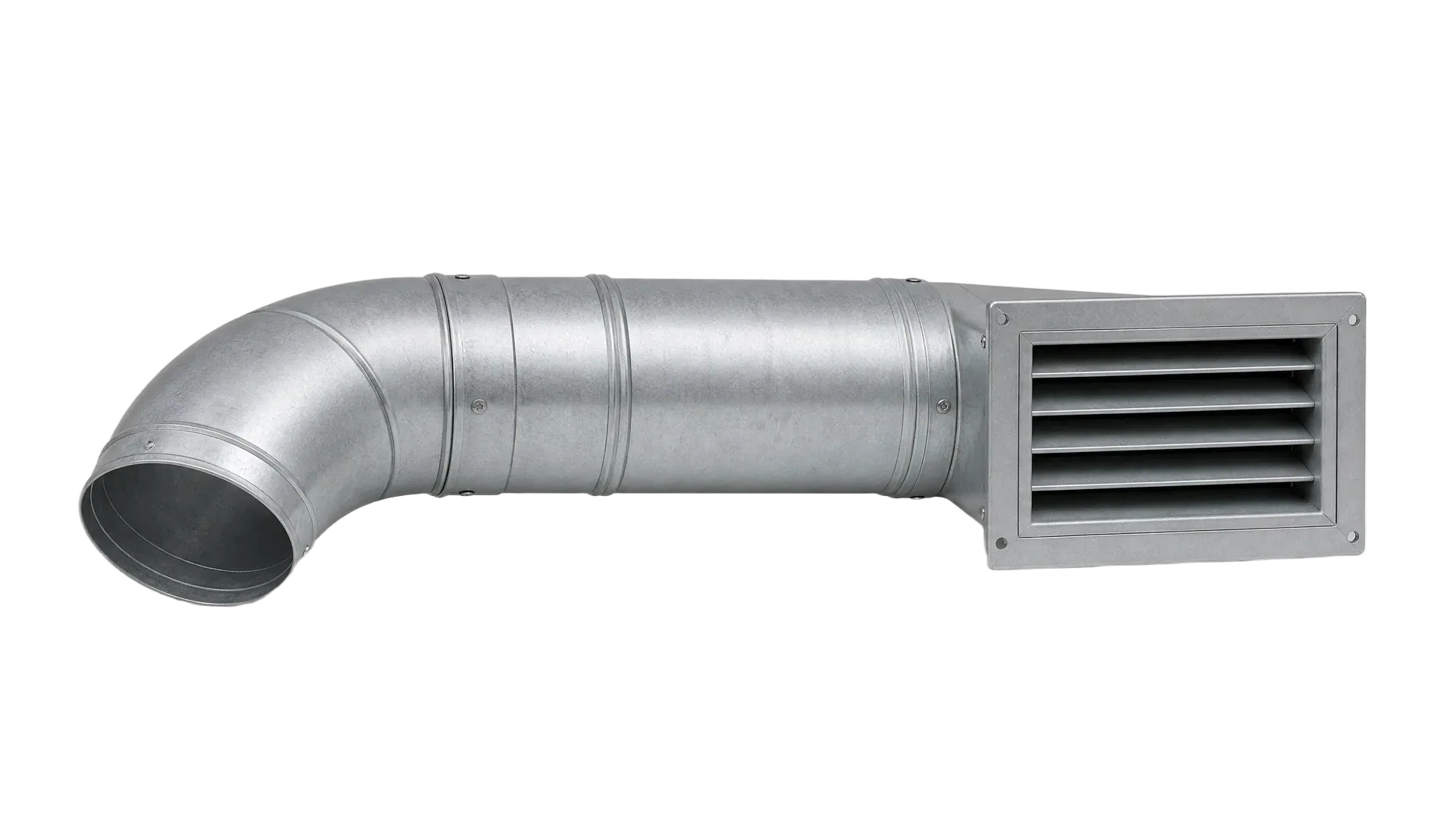
A galvanized metal round duct with a 90-degree elbow connected to a rectangular louvered vent grille, shown against a plain gray background.
I'm done searching

Mold in your air ducts usually means moisture got into the system somewhere, often around the evaporator coil or a section of duct that stays damp longer than it should. Thornton summers are dry, but the AC itself produces condensation every time it runs, and if a drain line clogs or a duct sits in a crawlspace or attic where it never fully dries, mold has what it needs. You might smell it before you see it, a musty smell when the system kicks on, or notice dust that looks darker or streaked near the vents. It can also show up around the furnace humidifier, if you have one, or near any spot where ductwork sweats in summer. Once mold is established in the ducts, it gets pushed through the house every time the blower runs, so it tends to turn up in more than one room rather than staying put. It does not clear up on its own, and sealing a vent or running the fan less does not solve what is causing the moisture.

Why does mold keep coming back in your ducts?

  • Half the homes here were built by 1991

    Half the houses in Adams County went up in 1991 or earlier, old enough that duct sections and seams have had decades to loosen and trap moisture.

  • Heat runs October through May

    Furnace air moves through your ducts from October through May, about eight months, pushing any mold spores through the whole house each time it runs.

  • Cooling runs June through August

    The AC takes over June through August, and that's when condensation at the coil gives mold the damp spot it needs to start.

ACS 2020-2024 · NOAA nClimDiv 1991-2020

Musty smell but no visible mold

You run the furnace or the AC and catch a musty smell for the first few minutes, then it fades. That pattern points to moisture sitting somewhere in the duct run or around the coil, not mold spread through the house. It's worth having someone check before it turns into a bigger patch, since a small damp section is a lot easier to clean than ductwork that's been feeding mold for a season. If the smell only shows up when the system first kicks on, that's actually useful information for whoever looks at it.


Visible growth at a vent or register

Black or green spots around a supply vent, the return grille, or just inside the ductwork where you can see it mean mold has already taken hold, not just started. This calls for cleaning the duct system itself, and depending on how far it's spread, checking whether the coil or drain line is still feeding it moisture. Don't just wipe the register and call it done. The spots you can see are usually a small part of what's actually in the ducts, and running the system keeps pushing spores through the house until the source gets handled.

A smiling man in a dark green shirt over a white t-shirt sits at a kitchen counter with a dark mug, looking off to the side, with shelves, plants and a bright living area behind him.
A man in a gray long-sleeve waffle-knit shirt smiles and looks off to the side in a kitchen with open shelving, a refrigerator, a wooden sideboard with a potted plant, and a glass door to the right.
A man in a dark green ribbed sweater stands smiling and looking off to the side beside a stone kitchen counter with a ceramic mug, with a dining table, pendant lights, and large windows in the background.
A bearded man in a gray long-sleeve shirt stands smiling and looking off-camera beside a kitchen counter with a white mug, with a living room, fireplace and wall-mounted television behind him.

Mold doesn't start in the metal duct runs. It starts wherever water sits still long enough, and that's almost always the evaporator coil or the drain pan underneath it. When the condensate line that's supposed to carry that water away gets clogged, water backs up around the coil instead of draining off, and that standing water is what mold needs to grow. From there the blower does the rest, pushing spores out through the supply ducts every time the system runs, whether that's the AC in July or the furnace in January. Flex duct can give mold a second foothold if a section sags and holds condensation at its low point. The same goes for any duct that passes through a crawlspace or attic, where cold metal meets humid air and sweats on the inside. A technician checks both the coil and the duct insulation itself, since mold on insulation and mold on bare sheet metal call for different cleaning.

How mold actually spreads through ducts

  • Mold needs standing moisture to grow, so it almost always starts at the evaporator coil or the drain pan beneath it, not in the metal duct runs themselves.
  • A dirty or clogged condensate drain line backs up water around the coil, and that pooled water is what mold actually feeds on.
  • Once spores take hold near the coil, the blower pushes them through the supply ducts every time the furnace or AC fan runs.
  • Flex duct sections that sag or dip can trap condensation at the low point, giving mold a second place to grow away from the coil.
  • A duct that runs through an unconditioned space, like a crawlspace or attic, stays cold enough to sweat on the inside when humid air passes through it.
  • Mold growing on duct insulation looks different from mold on bare sheet metal, and a technician checks both because they call for different cleaning methods.
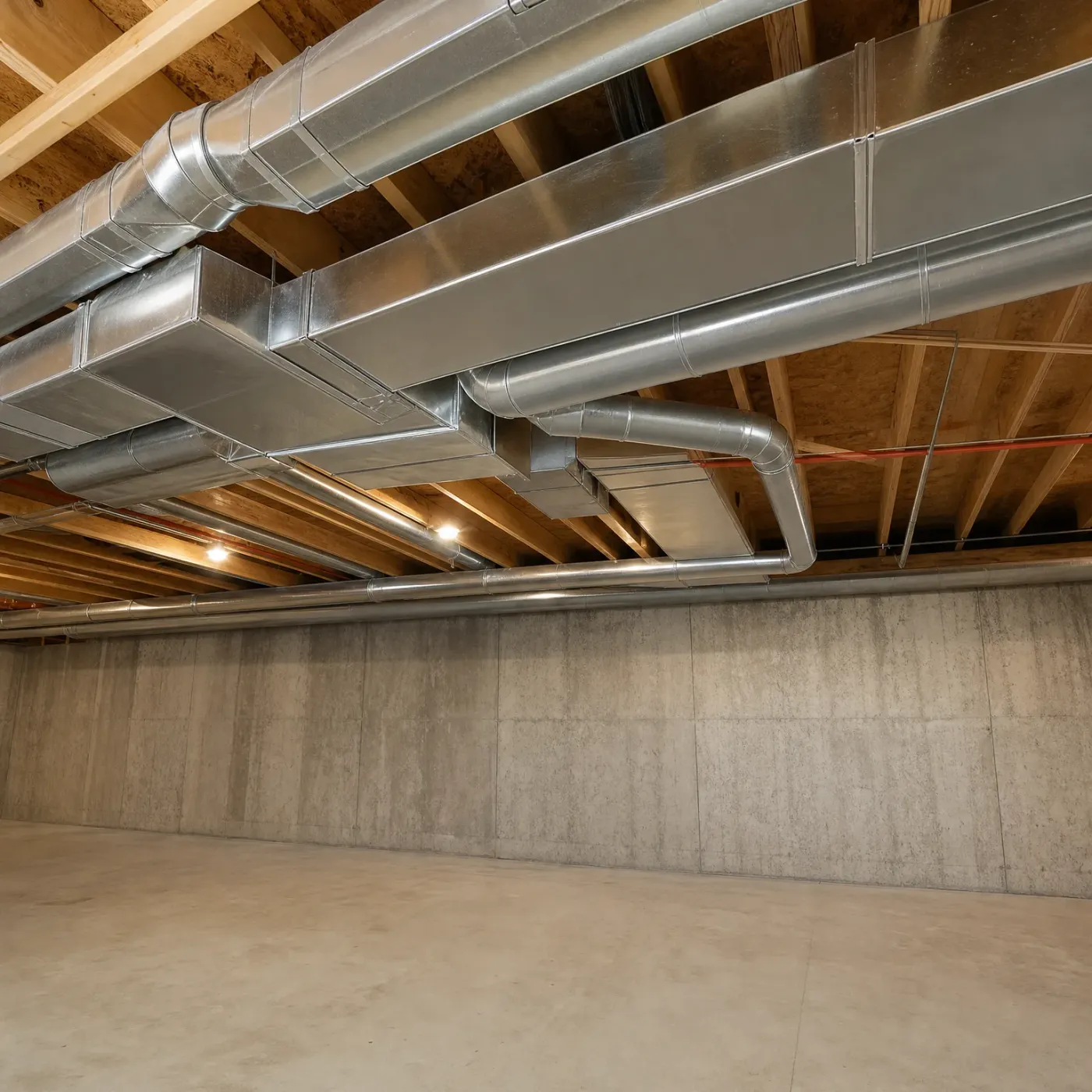
Unfinished basement with bare concrete floor and walls, showing galvanized sheet-metal HVAC ducts, pipes and recessed lights beneath a wood-joist ceiling.
Clean metal, no streaking, and air coming through each vent without a musty pull behind it.
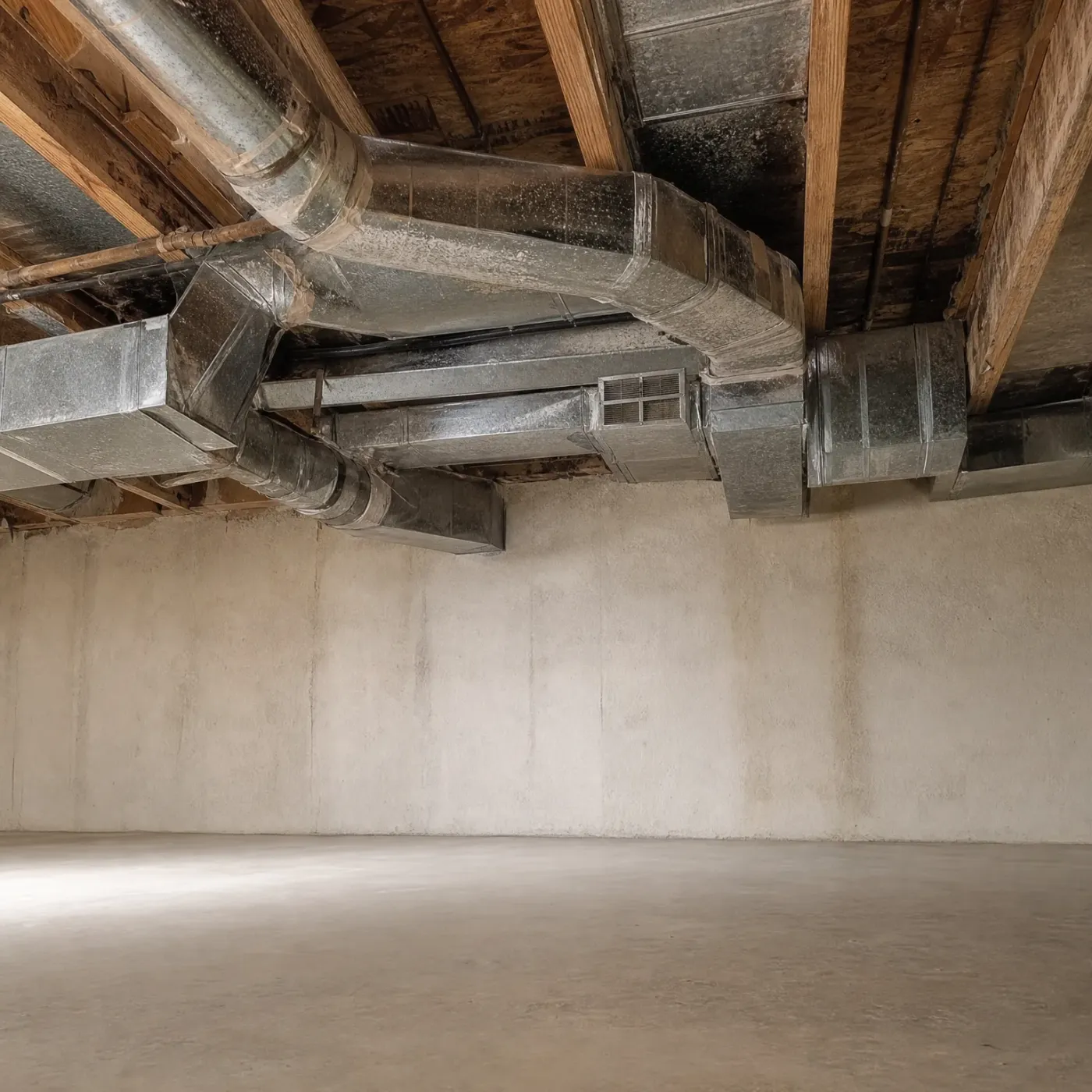
An empty basement room with bare concrete walls and floor, with galvanized sheet-metal HVAC ductwork and a vent grille running along the wooden joist ceiling.
Dust caked on the duct seams and dark staining along the metal, a sign moisture has been sitting there a while.
Dim room corner with a framed picture on a textured wall above a counter holding a tall ceramic vase and a shallow wooden bowl, with a sheer curtain beside a window and a ceiling air vent overhead.

It's a Saturday afternoon in April, warm enough that you've turned the AC on for the first time this year. You're on the couch when you notice the ceiling vent above the side table hasn't been dusted in a while, a soft gray ring of it on the grille and a thin film over the table and the lamp beside it. You run a finger along the slats and it comes back dark. The air coming out doesn't smell like anything yet, just faint and a little heavy. You make a note to look at it later and go back to what you were doing, the system humming along in the next room like it does every spring.

Stop chasing a duct system pro

A duct system with mold in it doesn't clean itself out between now and the next time the coil sweats. Whatever is pooling at the drain pan or sitting in a damp seam stays there through the next furnace cycle and the next AC run, and every pass of air carries a little more of it into the rooms you spend time in. Finding a contractor who works on duct systems around Thornton, someone who knows that half the housing stock here is old enough for seams to have loosened and who's checked a condensate line before, takes time you could spend elsewhere. Send the request once and it goes to one local contractor suited to the job, not a pile of them competing for your callback. From there, the search is off your plate. You still have a system that needs a look, but finding who looks at it is no longer something you have to manage on top of everything else this house asks of you.

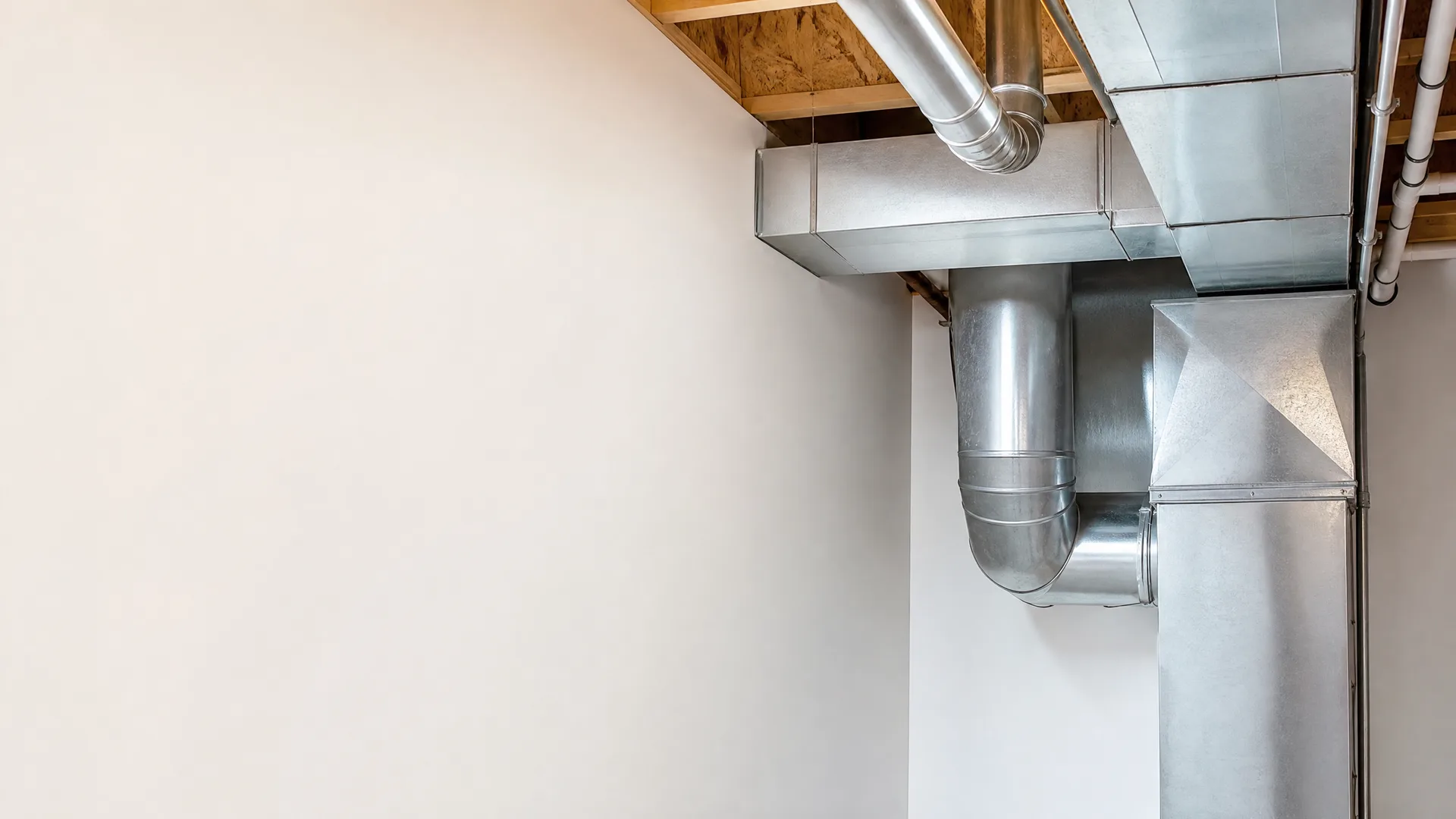
Galvanized sheet-metal ductwork and pipes running along an unfinished basement ceiling beside a plain beige wall, with a gray equipment cabinet below.

Where the coil drains to

The evaporator coil sits in a cabinet above or beside your furnace, and a drain line carries the condensation it produces out of the house. That line runs downhill to a floor drain or outside through the wall. If it has even a slight low spot, water sits instead of draining, and algae or mold builds up in that standing water. A clogged line backs up further and can overflow the drain pan itself.

Galvanized sheet metal rectangular and round HVAC ducts running along a ceiling and down a white interior wall, with exposed wood joists and subfloor above.

What a return duct does

Your return ducts pull room air back to the furnace before it gets heated or cooled again. That air carries dust, pet hair, and whatever moisture is in the house, and all of it passes across the coil on every cycle. A return run that sits near a humid spot, like a laundry area or a basement corner, pulls more moisture through the system than one that doesn't, and feeds mold the same way a wet drain line does.

Is that smell coming from your vents?

Turn on the AC and walk room to room. If one vent smells stronger than the rest, or the air coming out feels heavier or damp compared to the others, that room's duct run or a nearby coil is where moisture is sitting. Check the grille itself for dark spots or a gray film, and run a finger along the inside edge. A sneeze that only happens near certain vents, or allergy symptoms that ease up when you leave the house, both point the same direction. Left alone, the mold doesn't stay contained to one duct section. Every cycle pushes spores further into rooms you spend time in, and that's a bigger problem for anyone in the house with asthma or allergies.

Empty unfinished basement with bare concrete walls and floor, showing exposed wooden joists, galvanized sheet-metal ductwork, pipes, and a white vent grille overhead.
Before you get your ductwork cleaning
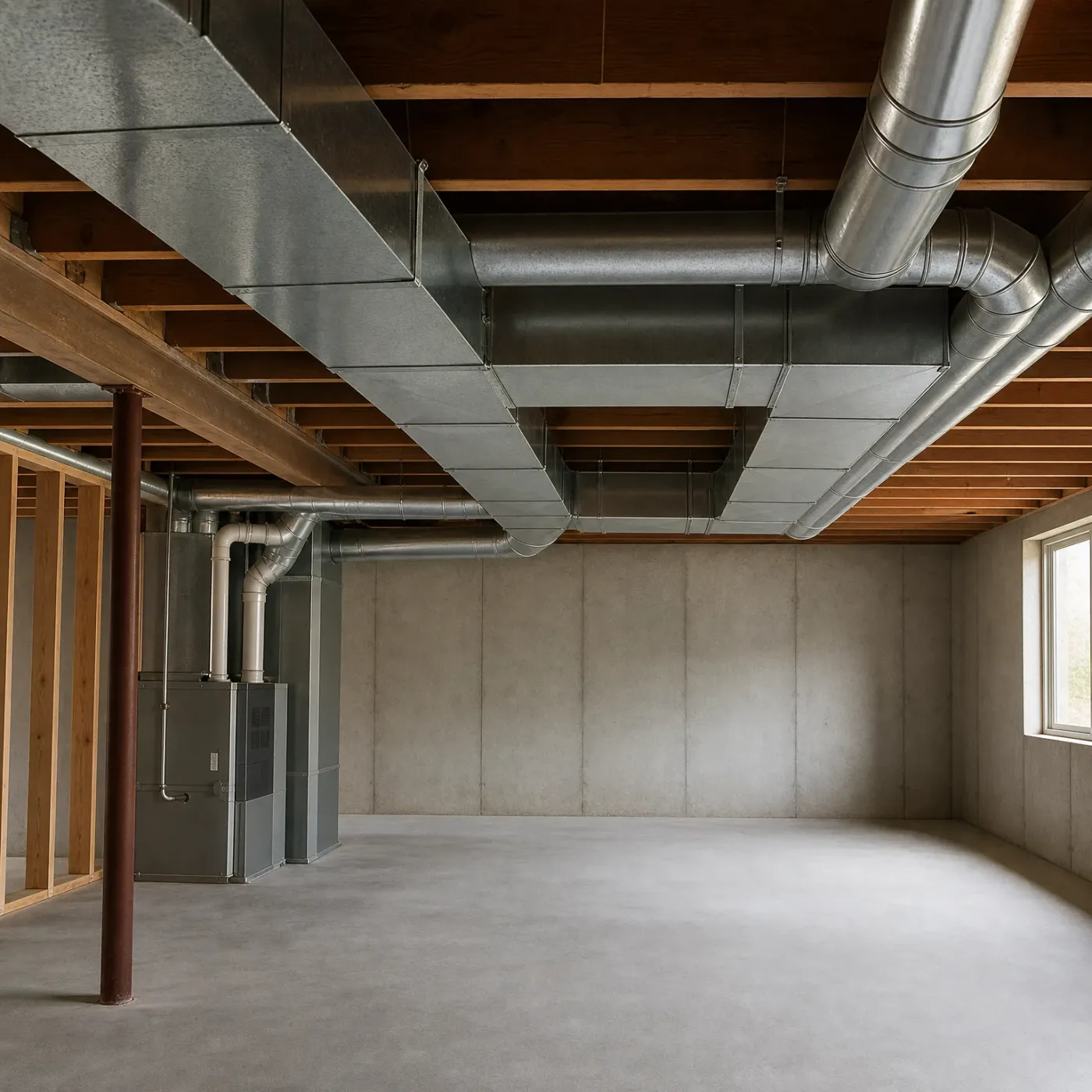
Unfinished basement with concrete floor and walls, exposed wood joists, galvanized sheet-metal ductwork, a furnace unit, a steel support column, and a small window.
After you get your ductwork cleaning

Before

Musty air from the vents, dark staining around the seams, and dust that settles again a few days after you wipe it off. The moisture causing it is still sitting in the duct run.

Get one local pro

After

Clean metal, no staining, and air moving through every vent without that heavy, damp pull behind it. Nothing left in the ducts for mold to live on.

Get one local pro
A smiling bearded man in a green t-shirt sits on a gray sofa, looking down toward a device at the bottom of the frame, with a bookshelf and a green plant blurred behind him.
A bearded man in a plaid flannel shirt looks out a window at snow-covered conifer trees, with a steaming ceramic mug on the sill and wooden shelves holding dishes and a plant behind him.
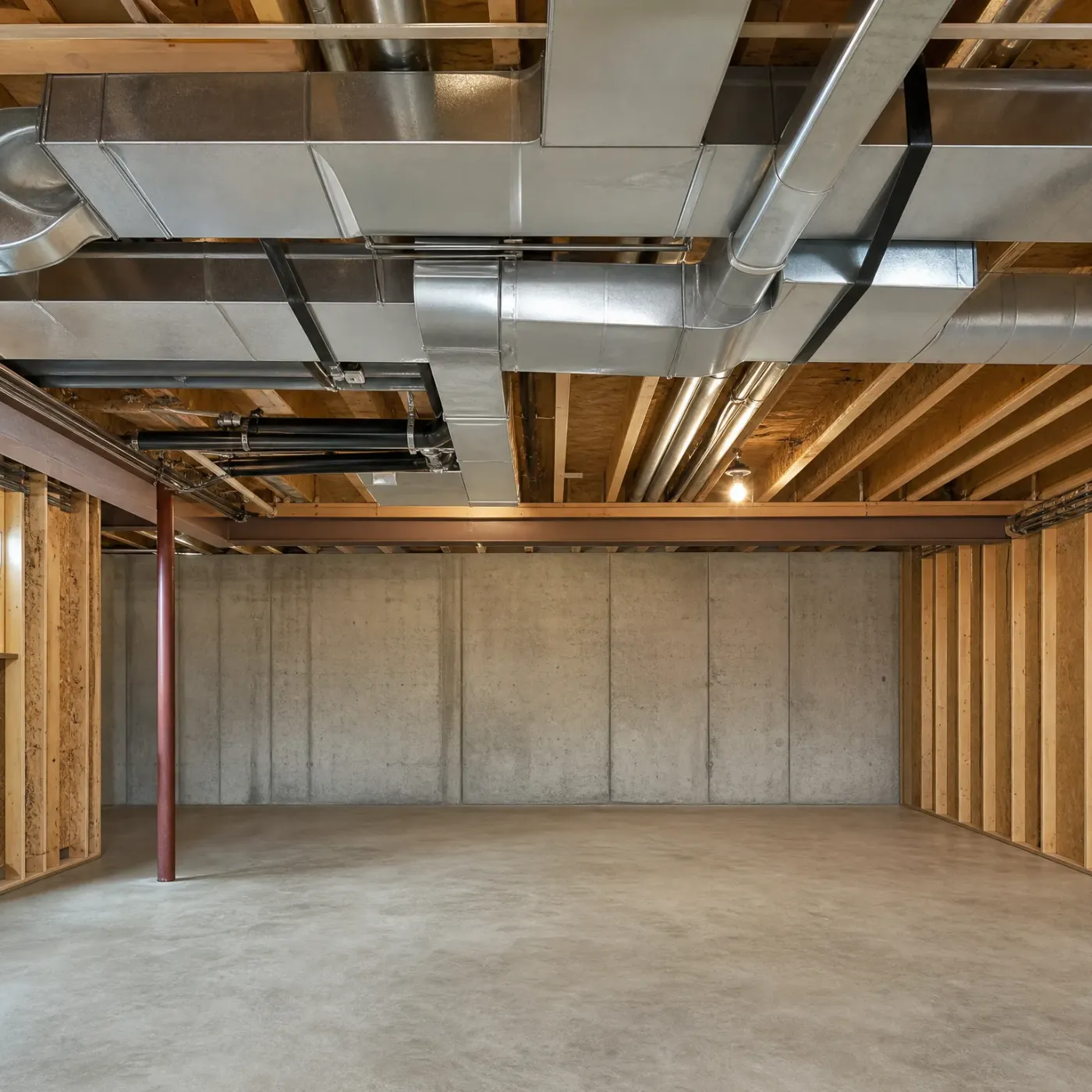
Empty unfinished basement with bare concrete floor and wall, wood-framed stud walls, exposed joists, galvanized HVAC ducts and pipes overhead, a steel beam and red support column, and a single bare bulb light.

Ductwork doing its job

Galvanized ducts run clean along the joists, carrying air without holding onto any of it. A system like this drains the way it was built to, so nothing sits in the seams long enough to turn into a problem. Air moves through, nothing stays behind.

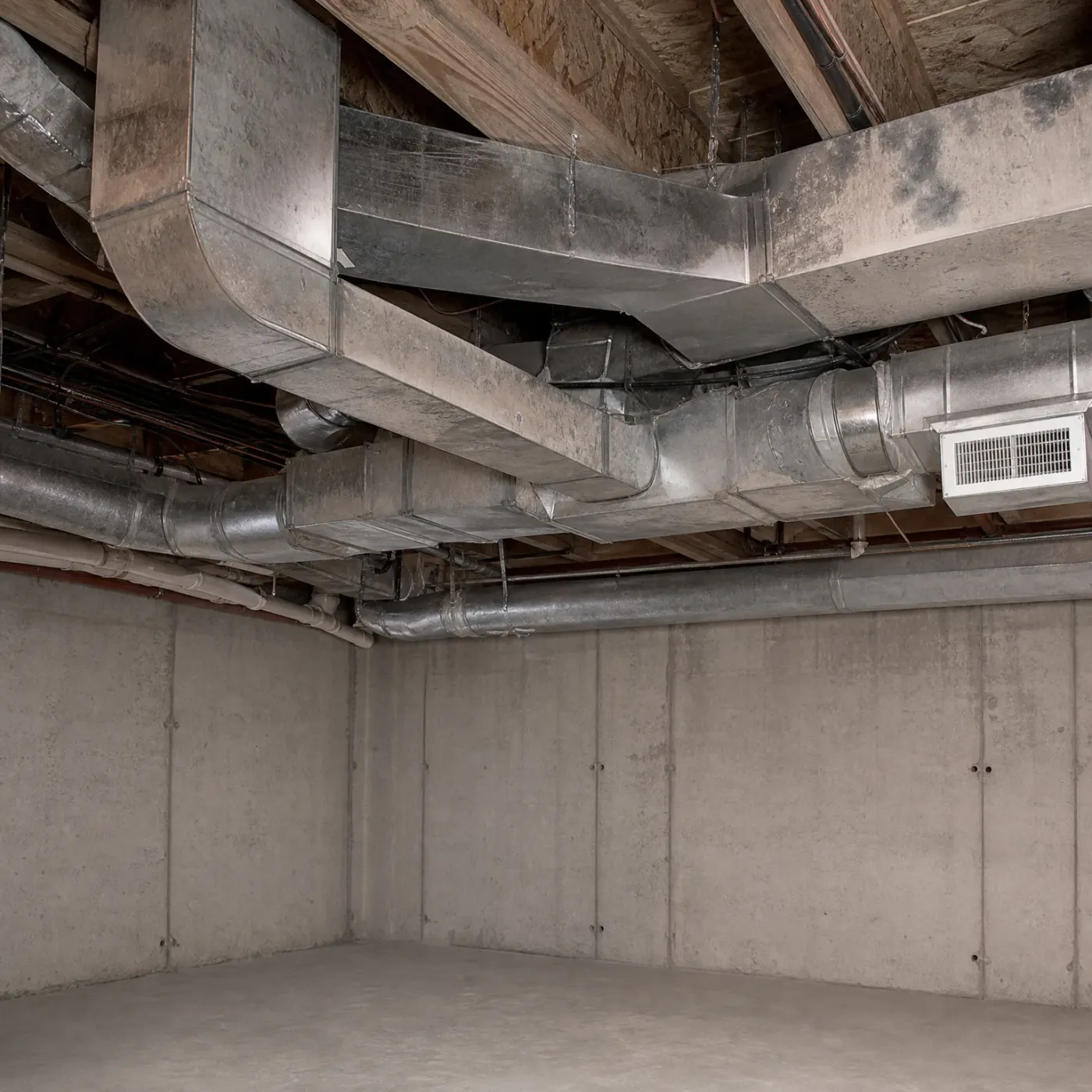
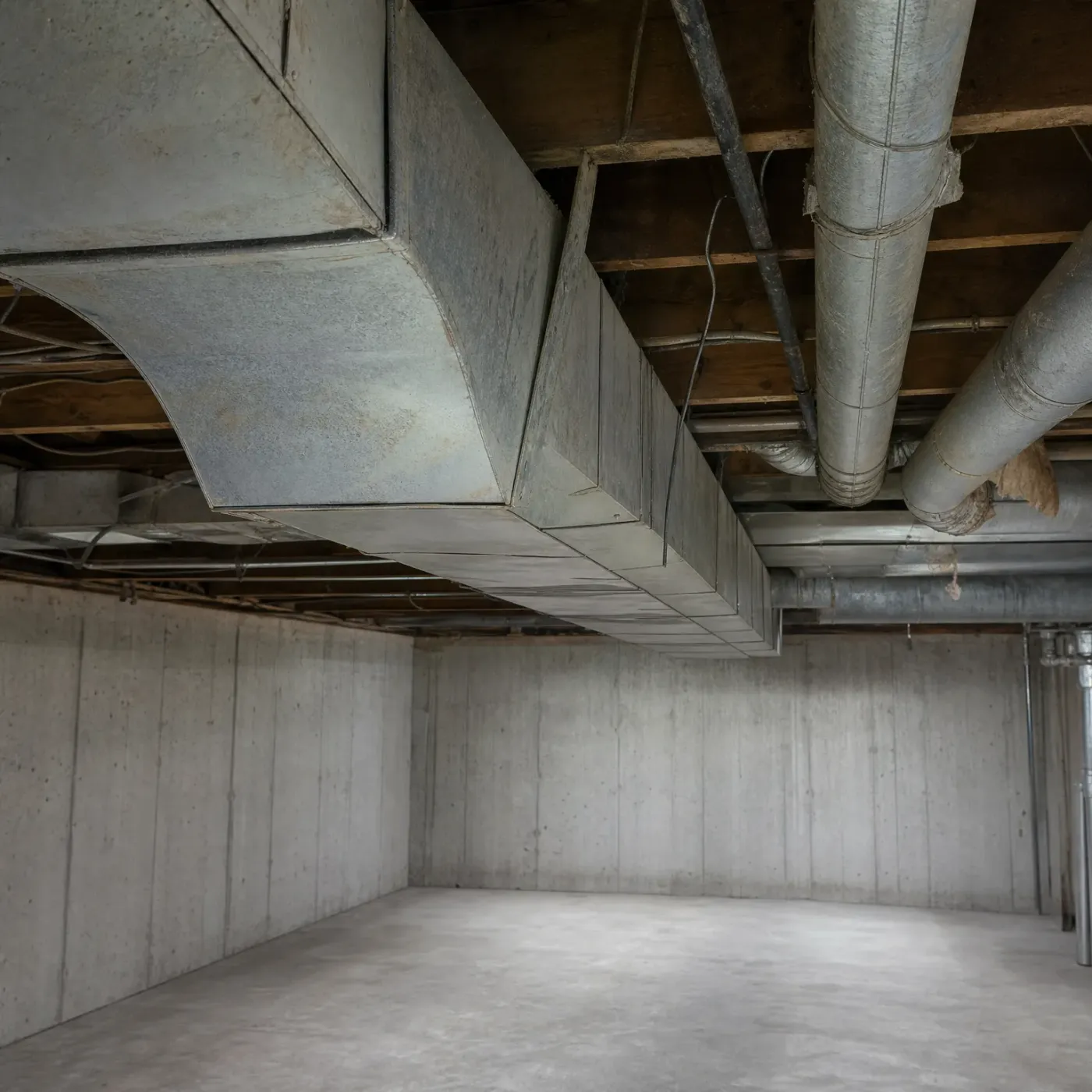
Empty concrete-walled basement with bare floor, showing large galvanized sheet-metal HVAC ducts, insulated pipes, wiring and wooden floor joists overhead.

Ductwork holding moisture

Same basement, same duct runs, but moisture has settled somewhere in that sheet metal and stayed. Once it's sitting in a seam or pooled near the coil, it doesn't dry out between furnace cycles. Every pass of air through those ducts picks up what's growing there.

Power here costs 16.02 cents per kilowatt-hour

At 16.02 cents per kilowatt-hour, running a fan or dehumidifier to dry out a damp duct run costs more here than in most places. That makes it worth clearing standing moisture at the coil or drain pan early, before the system has to work harder to push air through ducts that are holding onto water.

EIA-861 2025

Where the moisture is sitting

  • Mold in your ducts means standing moisture, almost always starting at the coil or the drain pan, not the metal runs.
  • A clean duct system shows dry metal, no staining at the seams, and steady air at every vent with no musty pull.
  • Left alone, that moisture sits through every furnace cycle and every AC run until something clears it out.
  • A local contractor who services this equipment all year knows the coil and drain pan are where to look first.
  • Sending one request means one contractor gets back to you, not a string of calls from companies you don't know.
  • Where you stand now is simple: the smell and the staining are telling you where the water is sitting.

The smell and the staining are pointing at the same thing every time: water that found a place to sit and never dried out. That's almost always the coil or the drain pan underneath it, not the duct runs themselves. Once you know that, the rest of this follows. A system that's clean shows it, dry metal, no dark rings at the seams, air moving through every vent the same way. A system that isn't shows that too, and it won't correct itself. The furnace moves air through those ducts from October through May, the AC takes over after that, and whatever is pooling at the drain pan rides along on every cycle in between.

Someone who services this equipment in Thornton and the rest of Adams County all year has seen this exact pattern enough times to know where to look first. That's not a guess for them, it's the coil, then the drain line, then the seams nearby. Sending one request here gets that one contractor, licensed and local, not a handful of companies competing for your callback. You get a straight answer from someone who already knows what a clogged drain line or a slow leak at the coil looks like, because they've found it in a house near yours before. The smell isn't random and neither is the fix. It starts where the water sits, and that's where someone who knows this equipment will start too.

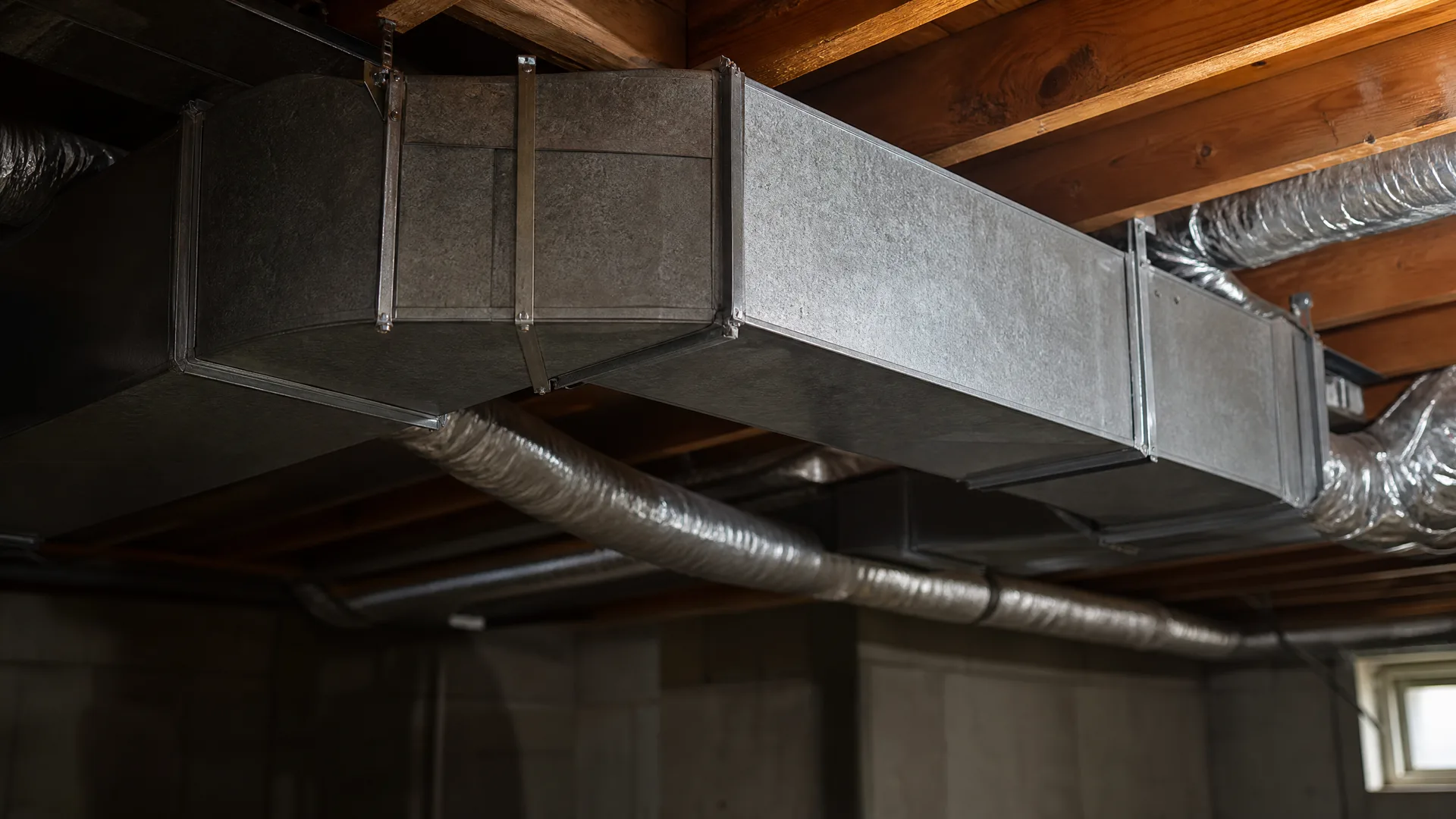
Rectangular sheet-metal HVAC trunk ducting and insulated flexible ducts running along wooden floor joists in an unfinished basement ceiling above concrete block walls.

Finding a pro stops being your job

Duct and vent cleaningDucts or ventsAdams County, CO
Step 1 of 2

What ZIP code is the job in?