






Colorado HVAC Pros

Signs of leaky ductwork in Colorado Springs, CO

Get matched

A duct system that leaks makes itself known in a Colorado Springs home. Rooms that run warmer or colder than the rest of the house, a furnace that seems to run longer than it should through a hard winter, dust showing up faster than it used to. Those are the kinds of signs that start people looking. Knowing the signs is one thing. Finding where the leak actually is, in ductwork run through an attic or under a floor, takes someone who does this work regularly in this area and knows where these systems tend to give out. Answer a few questions about your home and what you're seeing, and you'll be matched with a licensed contractor local to Colorado Springs who can take a look. It's one contractor, not a handful calling you back, so you can talk through what you found and get a straight read on it.

What are the signs of leaky ductwork in my house?

Your heating bills feel high, some rooms never seem to get warm or cool, and you are trying to figure out whether leaky ducts are the reason before you call anyone out to look.

Uneven room temperatures and a furnace that runs long are the main signs

Leaky ducts lose air before it reaches the room, so the room runs warmer or colder than the rest of the house no matter how you set the thermostat. The furnace keeps running to make up for the air it lost along the way, which matters most in a Colorado Springs winter when it is already working hard. You may also notice dust settling faster than before, since a duct with a gap pulls in air from the attic or crawlspace instead of only from inside the house. If you can feel a draft near a duct joint or seam, or hear air hissing when the furnace or AC is running, that is leaking ductwork, not a failing unit.

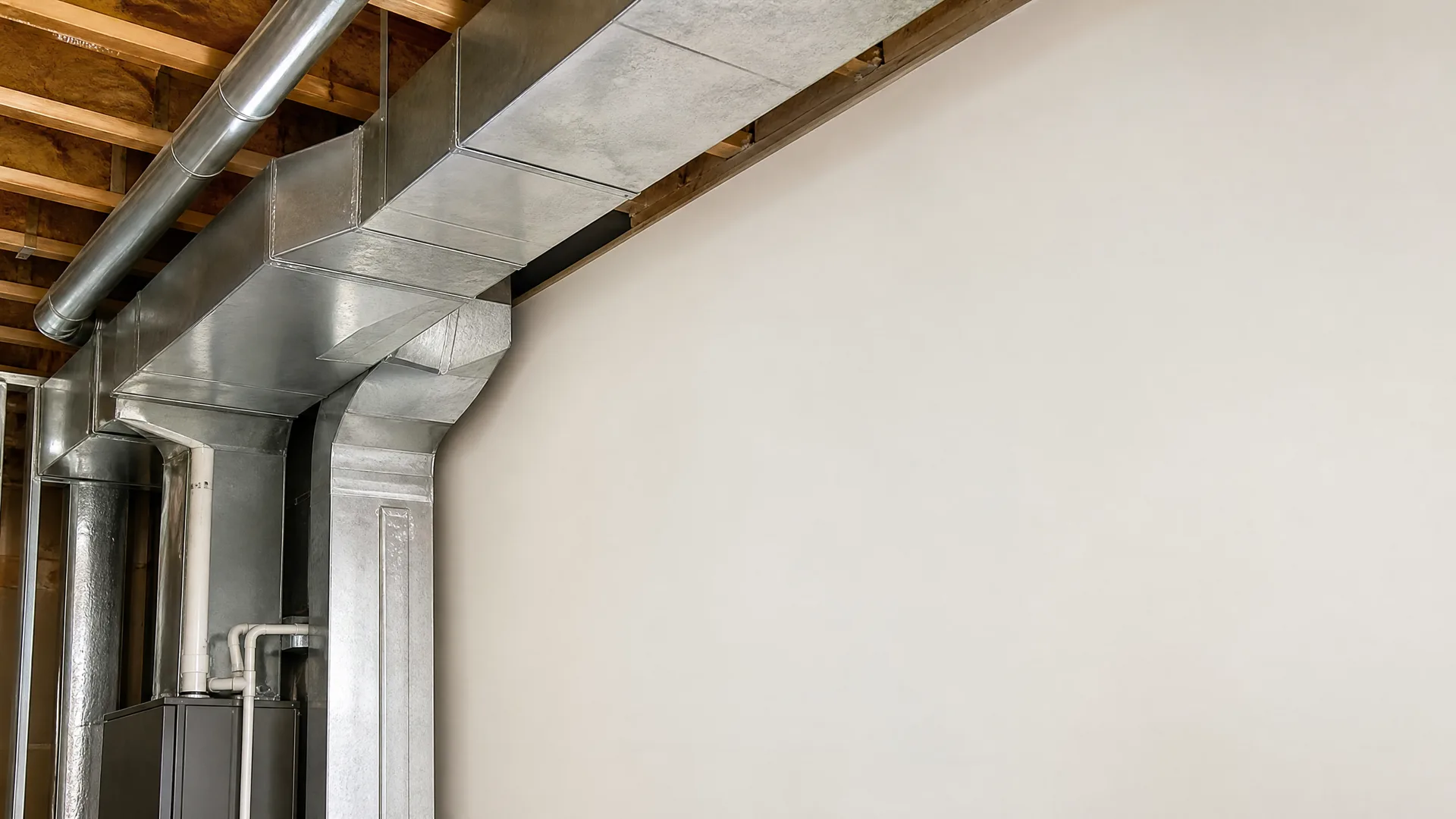
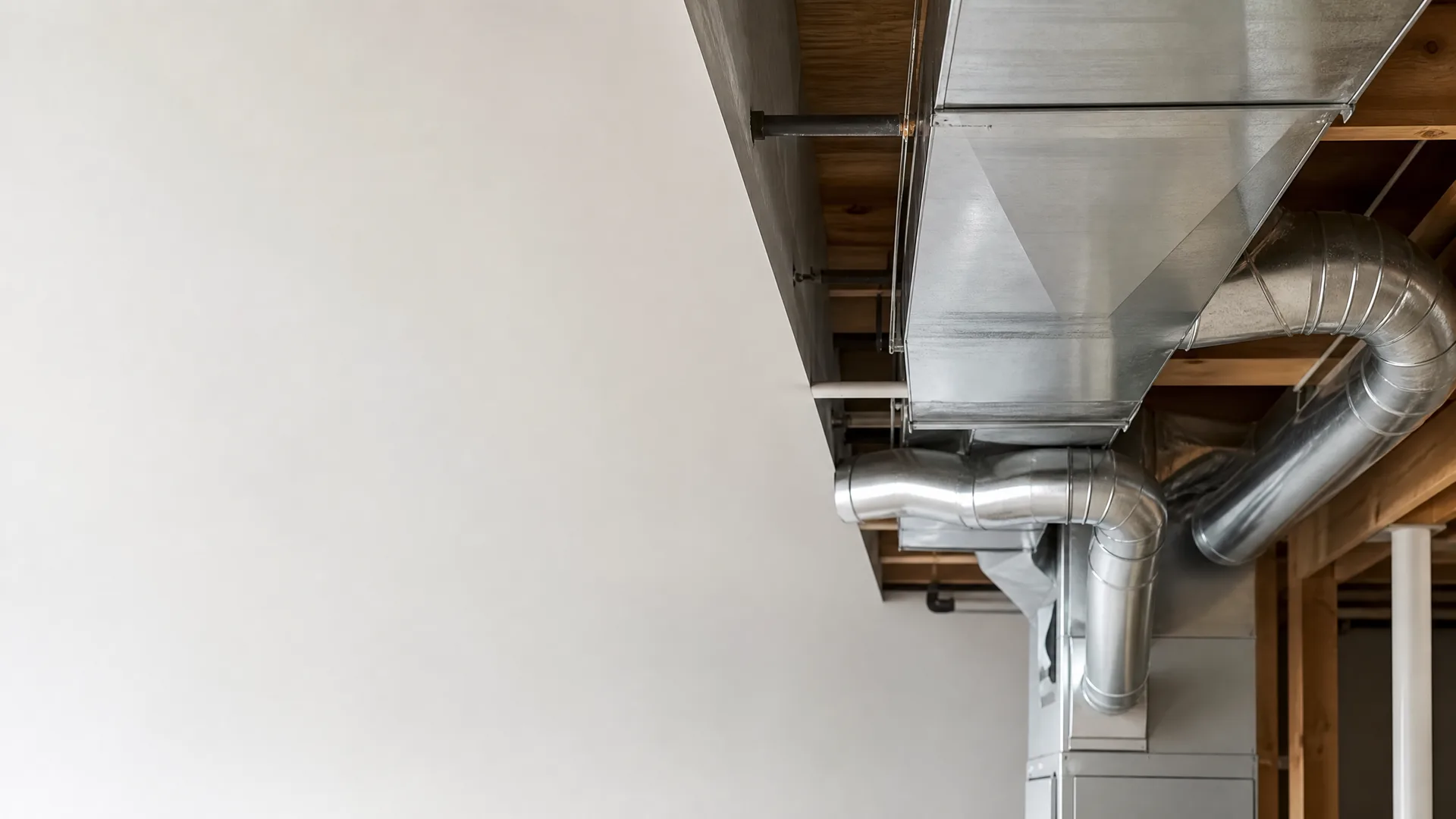
Galvanized sheet metal HVAC ductwork and insulated pipes running along a wood-framed basement ceiling beside a blank off-white wall.

Where the air actually goes

Ductwork runs through the attic, the crawlspace, and sometimes a garage before it reaches your rooms. A leak in any of those stretches sends heated or cooled air into a space nobody is trying to heat or cool. The furnace never sees that air again. It just runs another cycle to make up for what left the system before it reached a vent, which is why the thermostat can say one thing while a room says another.

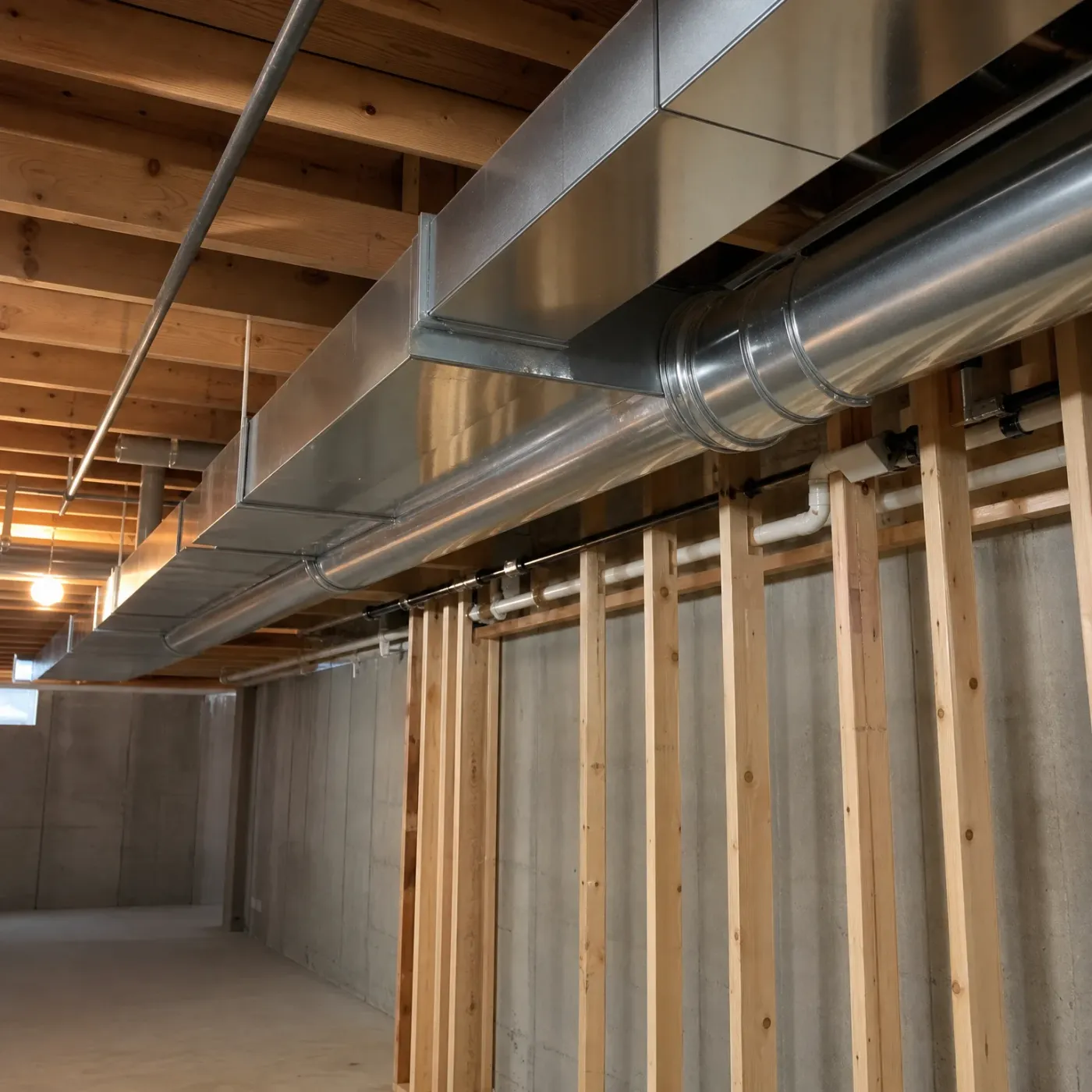
Galvanized sheet metal HVAC ductwork and flexible round pipes running along a wood-framed ceiling beside a plain white wall.

Why dry air makes it worse

Colorado Springs sits dry most of the year, and dry air moves through a small gap in ductwork more easily than humid air does. A seam that might seal itself with a little moisture and grime back east stays open here. Static pressure from a hard-running winter furnace pushes harder on every joint, too, so a seam that holds in October can start leaking by January once the system has been working for months.

Why would my ducts be leaking in the first place?

  • Half the homes here were built by 1989

    Half the homes in El Paso County were built in 1989 or earlier, and ductwork that old has had decades for joints and seams to work loose.

  • Heat runs September through May

    Your furnace and ducts run about nine months a year here, September through May, which is a lot of hours for a leak to waste heat.

  • Cooling runs July through August

    Cooling only runs July and August here, so a duct leak might go unnoticed most of the year until summer bills show it.

ACS 2020-2024 · NOAA nClimDiv 1991-2020

A room that runs cold in January could mean a leaky duct in the crawlspace, or it could just be the room farthest from the furnace, the one the air has to travel longest to reach.

Distance alone does not explain a room that stays ten or fifteen degrees off from the rest of the house. That gap is what a leak losing air along the way looks like.

A woman in a thick cream turtleneck sweater stands in a warmly lit living room with lamps, a shelf and sofa behind her, looking out a window where snow falls against a bare tree.
A woman in a gray turtleneck sweater stands beside a window with snow falling outside, in a lamp-lit living room with a sofa, shelving unit and coffee table behind her.
A woman in a gray turtleneck sweater stands beside a window looking out at falling snow and evergreen trees, with a lamp-lit living room, sofa, fireplace and built-in shelves behind her.
A woman in a cream cowl-neck knit sweater stands beside a large window looking out at snowy trees, with a lamp-lit living room, sofa, shelves and lit candles behind her.
Unfinished basement with exposed wood joists, galvanized rectangular and round ductwork, piping, stud framing against concrete walls, and a bare hanging light bulb.

The right pro for this job

The pro who reaches out is licensed in Colorado.

Your request goes to an El Paso County pro who takes ductwork jobs.

Get one local pro

No charge to send it. You decide if you hire them.

A woman in a cream sweater stands in an open doorway of a single-story house with horizontal siding and a stone-veneer base, facing a man in a blue shirt with a bag strap seen from behind in the foreground.

What a leak costs you at home

A leak in your ductwork does not just waste heat. It changes how the house feels day to day. The room over the garage stays cold no matter what you set the thermostat to. The furnace cycles on more than it used to, and you notice it more in January than you did in October. Dust shows up on the furniture again a few days after you wipe it down, because air pulled in through a crack in the return duct brings attic or crawlspace dust with it.

None of that tells you exactly where the leak is or how bad it is. That takes someone crawling through the attic or the crawlspace with the system running, feeling for air where there should not be any. A local contractor who works on ductwork in Colorado Springs homes every winter has seen where it usually gives out first, the joints near the furnace, the seams in a flex run, a takeoff that was never sealed right. Getting matched with one means a single contractor looking at your house, not a handful of companies competing for the job.

A living room corner with a beige upholstered armchair holding navy and striped cushions, a small round wooden side table with a carved bowl and a potted green plant, a framed landscape picture on a pale wall, built-in shelving, and a curtained window.
Unfinished basement with concrete floor and walls, exposed wood joists, galvanized sheet-metal ductwork, a furnace unit, a steel support column, and a small window.

Ductwork that's holding up

The metal runs stay sealed at every joint, so air moves from the furnace to the vents without losing pressure along the way. The spiral duct and the rectangular trunk lines keep their shape and their seams. Whatever the furnace puts out reaches the rooms it was meant for.

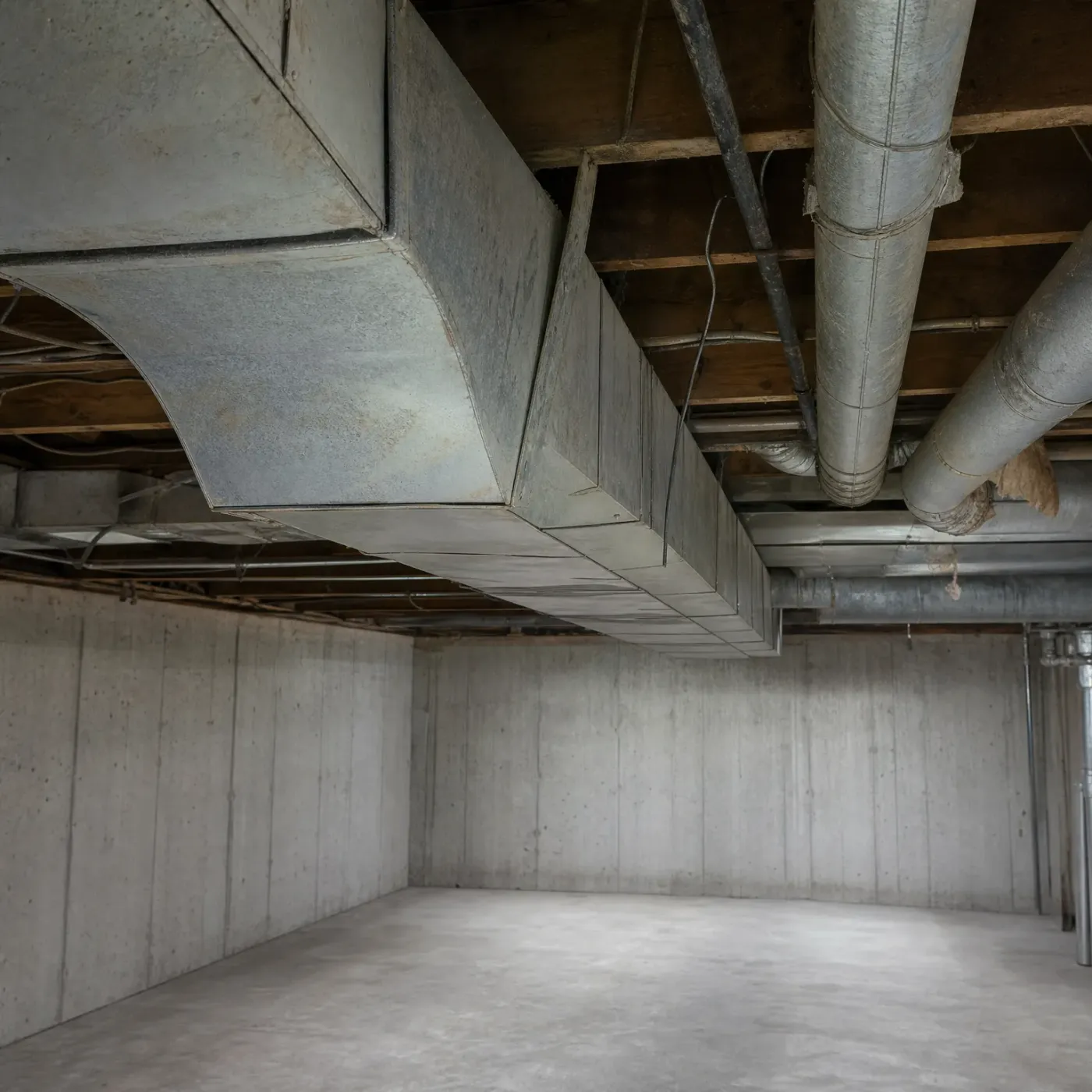
Empty unfinished basement with bare concrete walls and floor, showing exposed wooden joists, galvanized sheet-metal ductwork, pipes, and a white vent grille overhead.

Ductwork losing air before it arrives

Flex duct sagging between joists and seams that have pulled apart let conditioned air escape into the basement instead of the rooms above. Small-diameter pipes and connections are common spots for a gap to open. Air that leaks out here never makes it to the vent grille at all.

Empty concrete-walled basement with bare floor, showing large galvanized sheet-metal HVAC ducts, insulated pipes, wiring and wooden floor joists overhead.
Before you get your ductwork cleaning
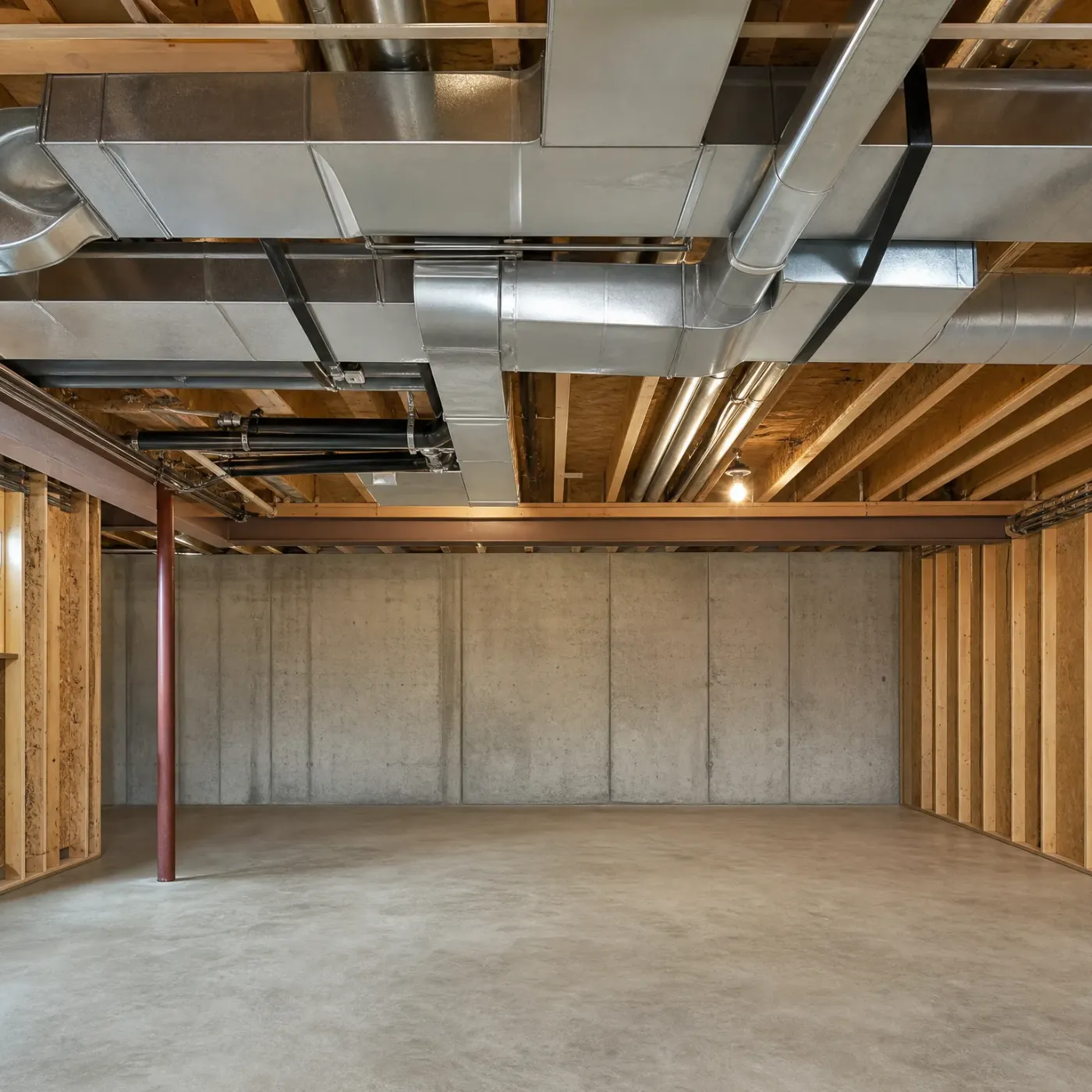
Empty unfinished basement with bare concrete floor and wall, wood-framed stud walls, exposed joists, galvanized HVAC ducts and pipes overhead, a steel beam and red support column, and a single bare bulb light.
After you get your ductwork cleaning

A return leak and a supply leak do different damage. The return side pulls air in, so a gap there pulls in whatever is sitting in the attic or crawlspace, dust and all, and sends it through the furnace unfiltered. The supply side pushes air out, so a gap there just dumps heated or cooled air into a space nobody lives in. Flex duct usually gives out first at the metal collar where it clamps to the trunk line, since that joint moves a little every time the furnace starts and stops. Whoever sealed it matters too. Mastic holds that joint for years. Duct tape dries out and peels back within a handful of Colorado Springs winters, no matter how well it was applied. Where the leak sits matters as much as how big it is. One near the furnace wastes air at full pressure, while one out at the far end has already lost some of that pressure before it escapes. A big enough leak can even pull the house itself slightly negative, drawing outside air in through gaps you'd never think to check.

How a leak actually behaves

  • A duct leak at a return joint pulls attic or crawlspace air into the system instead of pushing conditioned air out to the room.
  • Supply leaks and return leaks act differently: supply losses heat or cools a space you never use, return leaks drag in unfiltered, unwanted air.
  • Flex duct fails first at the metal collar where it clamps to a trunk line, since that joint flexes every time the furnace cycles.
  • A blower running against a big enough leak can actually pull the pressure in a house slightly negative, which draws outside air in through gaps elsewhere.
  • Mastic sealant holds up for years on a duct joint, but duct tape dries out and lets go within a handful of winters.
  • The farther a leak sits from the furnace, the more pressure the air has already lost before it ever escapes, so leaks near the unit waste the most.
A bearded man in a dark plaid flannel shirt stands indoors looking out a window at a snow-covered yard, with a dark gray mug on the windowsill and kitchen shelves behind him.
A bearded man in a dark gray T-shirt sits smiling on a light gray couch, with a houseplant and a framed picture on the wall behind him.

If your heating bills feel high, some rooms stay cold while others run warm, and the furnace seems to run longer than it should, leaky ductwork is a reasonable explanation and one worth checking before you assume the furnace itself is at fault. The signs point to the ducts themselves, not the equipment attached to them. A contractor local to Colorado Springs who works on duct systems through winters like this one has seen where seams and joints tend to give out first, in the attic runs, the crawlspace lines, the connections nobody sees. When you request a match through this page, you are connected with one licensed local contractor, not several competing for your call, so the person who reaches out is someone who can look at your specific rooms and your specific furnace and tell you what is actually happening, rather than guessing at it over the phone. You already have the signs in front of you. What is left is having someone confirm which of them apply to your house.

Dimly lit unfinished interior ceiling with galvanized rectangular and round sheet-metal ducts, a wall vent grille, exposed wood framing and joists.

Matched to your ductwork job

Only one pro gets your request, so you hear from one company.

Duct and vent cleaningDucts or ventsEl Paso County, CO
Step 1 of 2

What ZIP code is the job in?