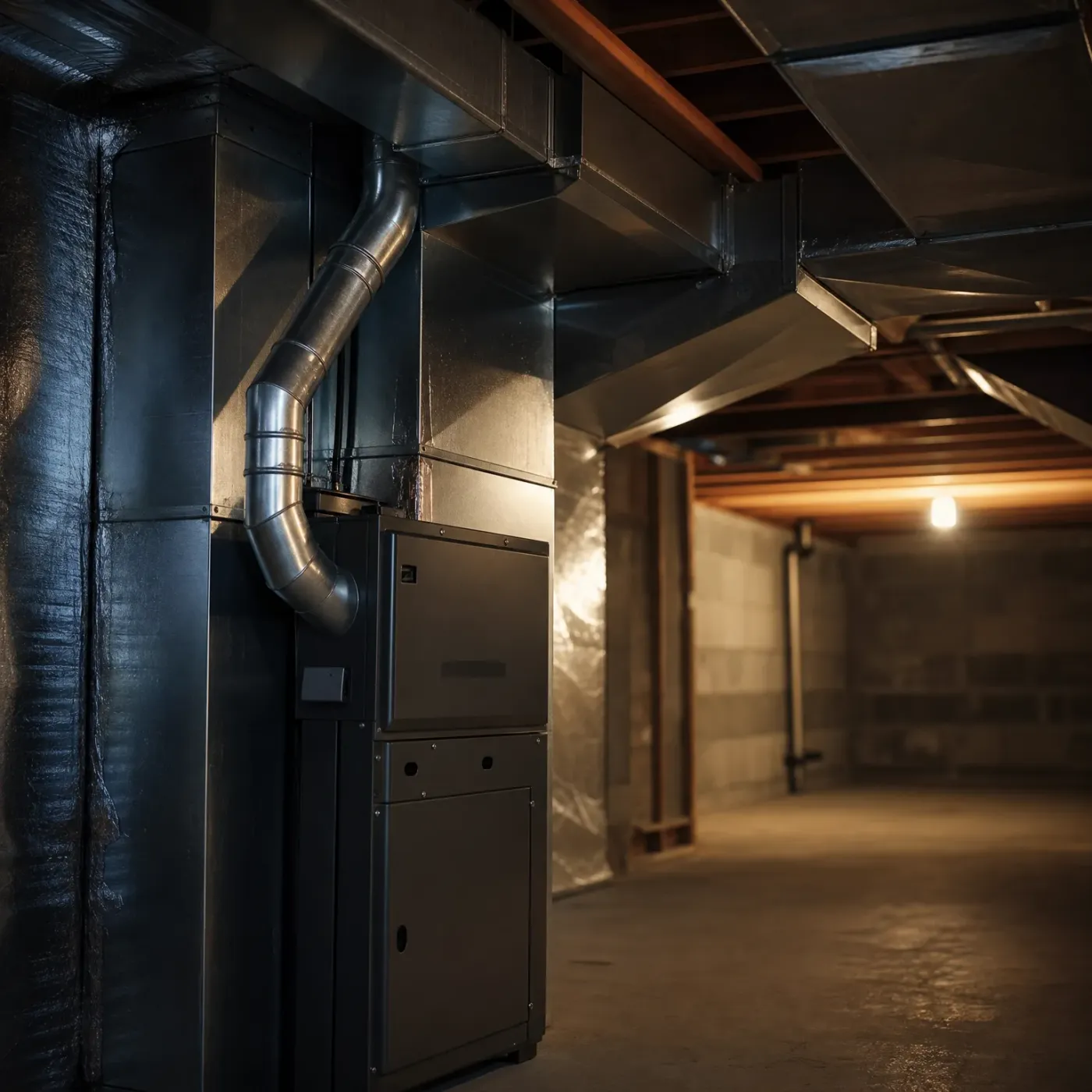
Basement interior with a furnace unit, insulated rectangular ductwork and a flexible metal pipe along the ceiling, with a bare lightbulb and concrete block walls in the background.

A duct system pro near you

Why your house is so dusty in Denver, CO

Dust that comes back days after you clean usually points to the ducts, not your habits. Denver's dry air and the dirt it carries get pulled through the system and settled right back on your furniture. This page covers what causes it and how a local contractor who works on ducts in Denver homes can look at yours.

Match me with a pro

Denver's dry air holds dust instead of letting it settle, and every time your furnace or AC kicks on, it pulls that dust through the ducts and blows it right back into your rooms. The front range also carries fine dirt from dry soil and wind, and that gets pulled in through return vents, gaps in ductwork, or whatever the filter misses. If the filter is the wrong size, loaded up, or just not rated to catch fine particles, it passes through. Leaky ducts make it worse, pulling in dust from the attic, crawlspace or basement every time the system runs. Once that dust is moving through the house on forced air, wiping down a shelf only clears what's already landed. The source keeps feeding it back in. A system that runs often, as yours does through Denver's hot summers and cold winters, moves a lot of air and a lot of dust with it. Cleaning the ducts out removes what's built up and stops it from recirculating.

Why does dust keep building up in a Denver house?

  • Half the homes here were built by 1975

    Half the homes in Denver County were built in 1975 or earlier, according to Census data, and older ductwork has had more years to collect dirt and leak at the seams.

  • Heat runs October through May

    Furnaces here run from October through May, about eight months a year, so the blower is moving air through your ducts most of the year.

  • Cooling runs June through August

    Air conditioning runs June through August, which means for three more months the same ducts are pushing air and whatever has settled in them back into your rooms.

ACS 2020-2024 · NOAA nClimDiv 1991-2020

Dry dirt versus damp dust

Denver's dirt is dry and fine, so it rides the airflow instead of clumping and dropping out of the duct runs. That's different from a humid city, where dust picks up moisture, gets heavier, and settles in the ducts before it reaches your rooms. Here it stays light enough to keep circulating every time the blower turns on. A filter catches some of it, but a filter only works on what passes through the return. Dirt that's already sitting in the supply ducts gets pushed straight out the vents, and a thin, dry layer like that doesn't always show up when you check the filter by eye.

Old ductwork versus newer runs

A duct system that's never been cleaned builds up dirt in layers along the seams and the low points in the runs, and that stays put until the air moves it. If your ducts came with the house and the house is older, there's more time behind that buildup. Newer ductwork, or runs that have been cleaned before, start closer to empty, so the same dry air and dirt don't have as much to pick up. The ducts themselves don't wear out from this. What changes is how much is sitting inside them waiting for the furnace or AC to push it back into the house.

An older man with gray hair and a beard stands in a doorway of a home, wearing a dark coat dusted with snow, with a lit fireplace and lamp visible in the blurred room behind him.
A bearded older man in a dark snow-dusted coat and scarf stands just inside a home's front door, with a lamp-lit room and snowy window visible behind him.
An older man with gray hair and a beard wearing a dark snow-dusted coat stands in a home entryway, with a lamp-lit living room and a wooden staircase behind him.
An older man with gray hair, a dark coat and scarf dusted with snow stands in a warmly lit entryway with an open wooden door, a table lamp, framed pictures, and a plant in a vase.

Air comes back to your furnace through the return ducts and passes through the filter before the blower pushes it back out. Whatever the filter doesn't catch goes straight into the supply ducts and out through every vent in the house. That's one system, not separate rooms, so dust from one end reaches the other. If a seam in the ductwork has come loose, the blower pulls in air from the attic or crawlspace at that spot, and none of it ever sees the filter. A filter rated too low for your furnace has the same problem. It looks like it's doing its job, but fine dust passes through anyway. Between cycles, some of that dust settles inside the duct runs instead of reaching a room. It doesn't stay there. The next time the blower kicks on, especially on a cold morning when it runs longer to keep up, that settled dust gets stirred loose and pushed back out with everything else.

How dust moves through your ducts

  • Your furnace pulls return air through a filter before it ever reaches the blower, and anything the filter misses gets pushed straight into the supply ducts.
  • Supply ducts carry warm or cooled air to each room, and return ducts pull room air back, so dust circulates through the whole system, not just one vent.
  • Leaks at the duct seams let unfiltered attic or crawlspace air mix in before it reaches the blower, adding grit the filter never sees.
  • A filter rated too low for your system lets fine dust pass through on every cycle, even when it looks clean to the eye.
  • Dust that settles inside the duct runs during the off months gets stirred loose again the moment the blower restarts.
  • The blower motor runs longer on cold mornings here, and more run time means more air pulled through any gaps or buildup in the ducts.
Empty unfinished basement with bare concrete walls and floor, showing galvanized sheet metal ductwork, insulated flexible duct, and pipes running along the wood-framed ceiling, with a small window at left.
Sealed ducts move air without picking up extra dirt along the way, so what leaves the furnace is close to what lands in your rooms.
Empty basement room with bare concrete walls and floor, with exposed wooden joists, sheet-metal HVAC ducts, an insulated flexible duct, and pipes running across the ceiling.
Gaps at the duct seams pull in dust from the basement itself, and every cycle carries more of it into your living space.
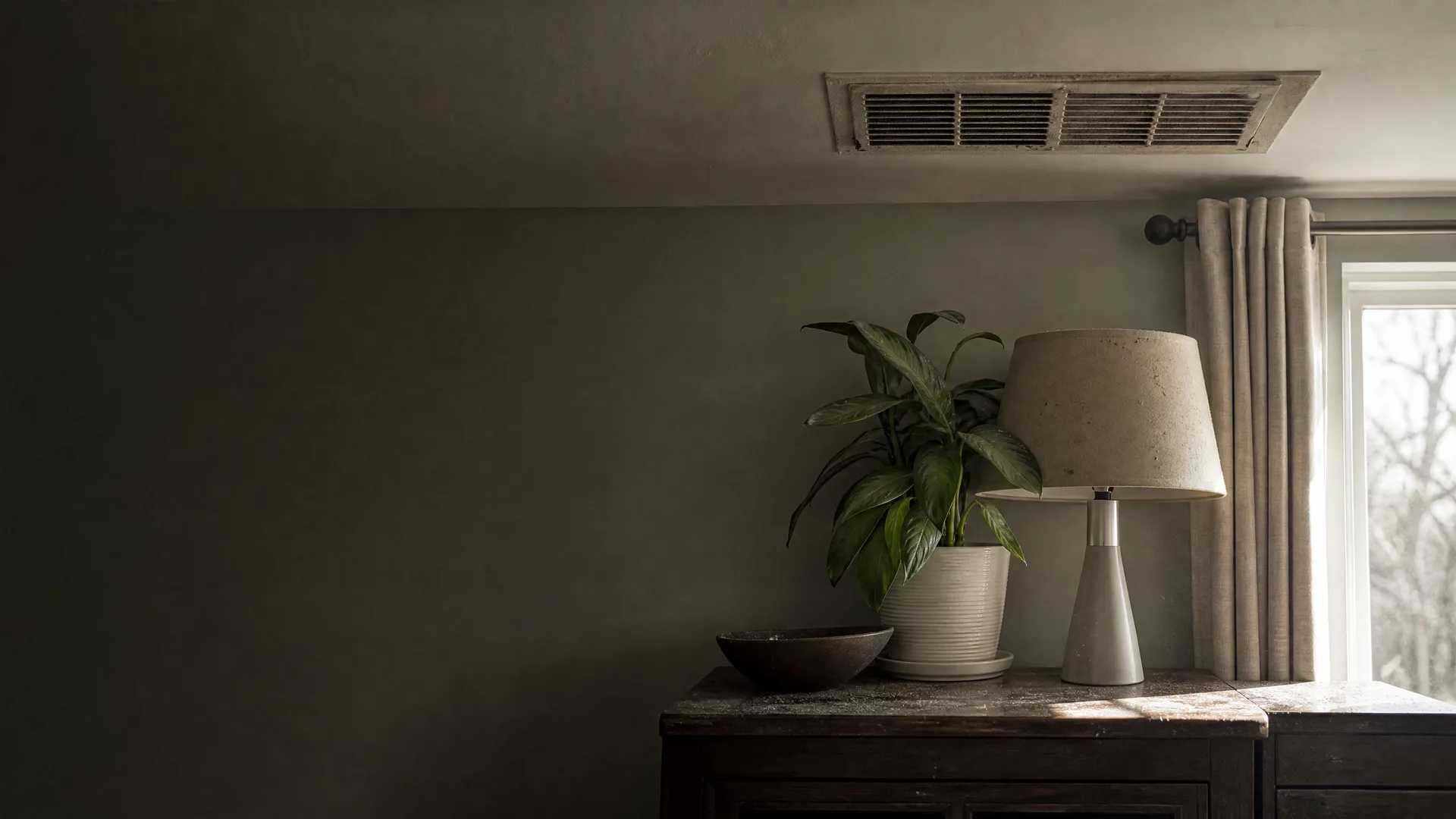
A dimly lit interior wall with a ceiling air vent above a wooden sideboard holding a potted plant, a shallow bowl, and a table lamp beside a curtained window.

The sun's been up a couple hours and it's cutting low across the living room, catching the ceiling vent over the couch. You notice the grille first, a gray ring of dust around the slats, thicker than it has any right to be this soon after you wiped it down. Then you see it on the side table, a fine film already settled on the wood, on the lamp base, on the top edge of the picture frames. The furnace clicked off a few minutes ago. You can still feel the faint pull of air from the vent if you hold your hand near it. The dust under it didn't come from the room. It came through the vent, and it's already back.

Get matched with a duct system pro in Denver County

The pro who gets in touch is licensed in Colorado and works in Denver County.

You're not committing to anything by asking.

Unfinished basement with exposed wood joists, galvanized sheet-metal ductwork, insulated flex ducts, piping, a small window, and a furnace or air handler against a gray wall.

Ducts sealed and sized right

This is what a duct run looks like when it's doing its job. The metal trunk lines and flex runs sit tight at the joints, so air moves from the furnace to your rooms without picking up dirt along the way. A system like this just needs the filter changed on schedule.

Empty basement room with bare concrete walls and floor, and an exposed ceiling of wooden joists with large galvanized sheet-metal ductwork and pipes.

Ducts exposed to open framing

Here the ducts run through open floor joists with no finished cavity around them, so any gap at a seam pulls in dust from the space itself. Every time the blower kicks on, that duct run adds its own dirt to the air before it reaches your vents.

Why does dust keep coming back even right after the furnace filter was changed?

You just put in a new filter, and a day or two later there's dust on the shelves again. It feels like the filter did nothing, so it's fair to wonder if you bought the wrong one, or if something else in the system is letting dust through no matter what filter is in there.

A new filter only catches what passes through it, not what's already in the ducts

The filter sits in the return path and catches dust as air moves through on its way to the blower, but it can only stop what actually passes through that slot. Dust already sitting in the duct runs, especially in a house with duct seams that have opened up over the years, gets picked up by moving air and pushed out the supply vents regardless of how clean the filter is. A new filter also does nothing for gaps in the ducts themselves, where dirt from the basement or crawlspace gets pulled in and added to the air before it ever reaches a room. If the ducts haven't been cleaned in years, a fresh filter is working against a head start it can't make up.

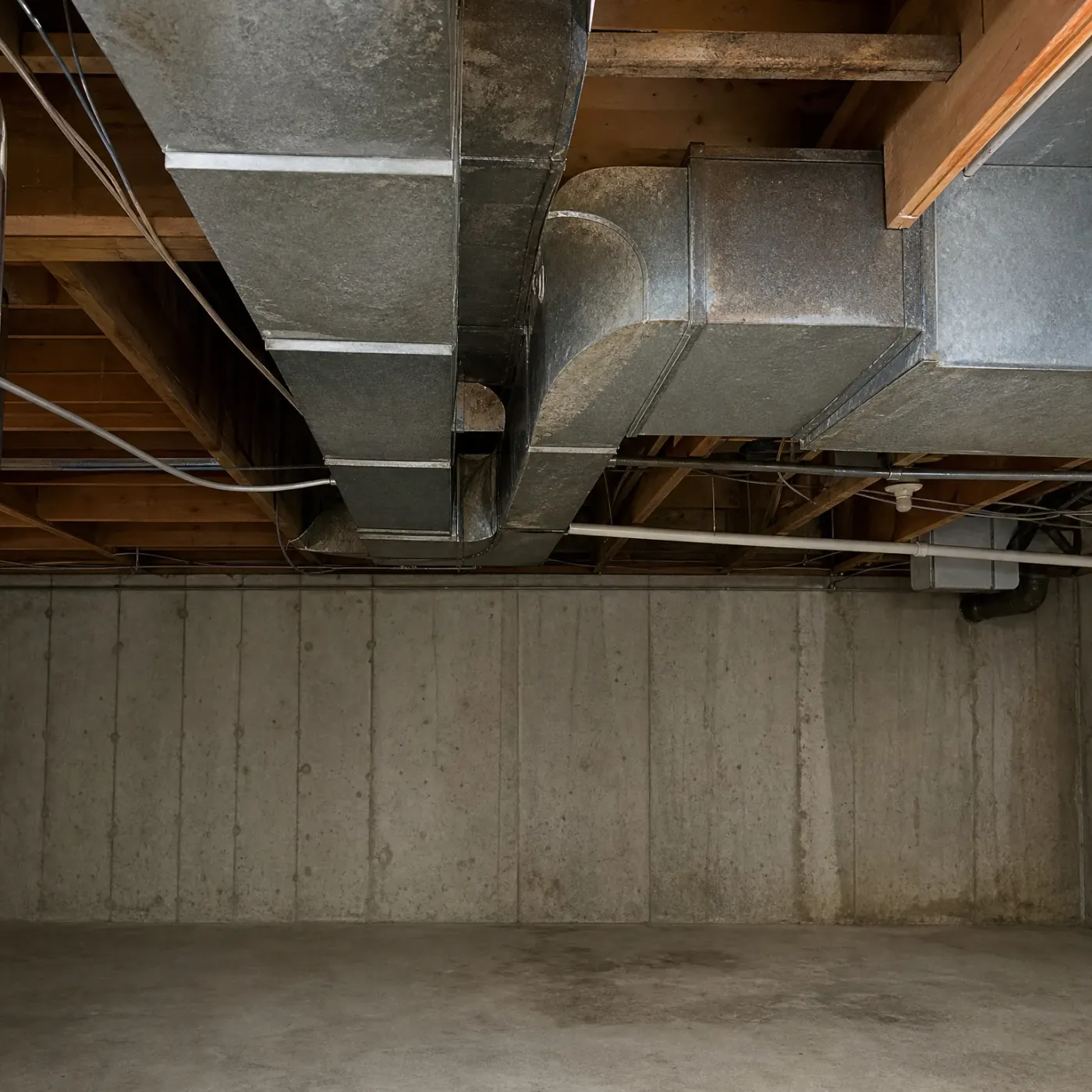
Unfinished basement with bare concrete walls and floor, and galvanized sheet-metal HVAC ducts, pipes and wiring running along the wood-joist ceiling.
Before you get your ductwork cleaning
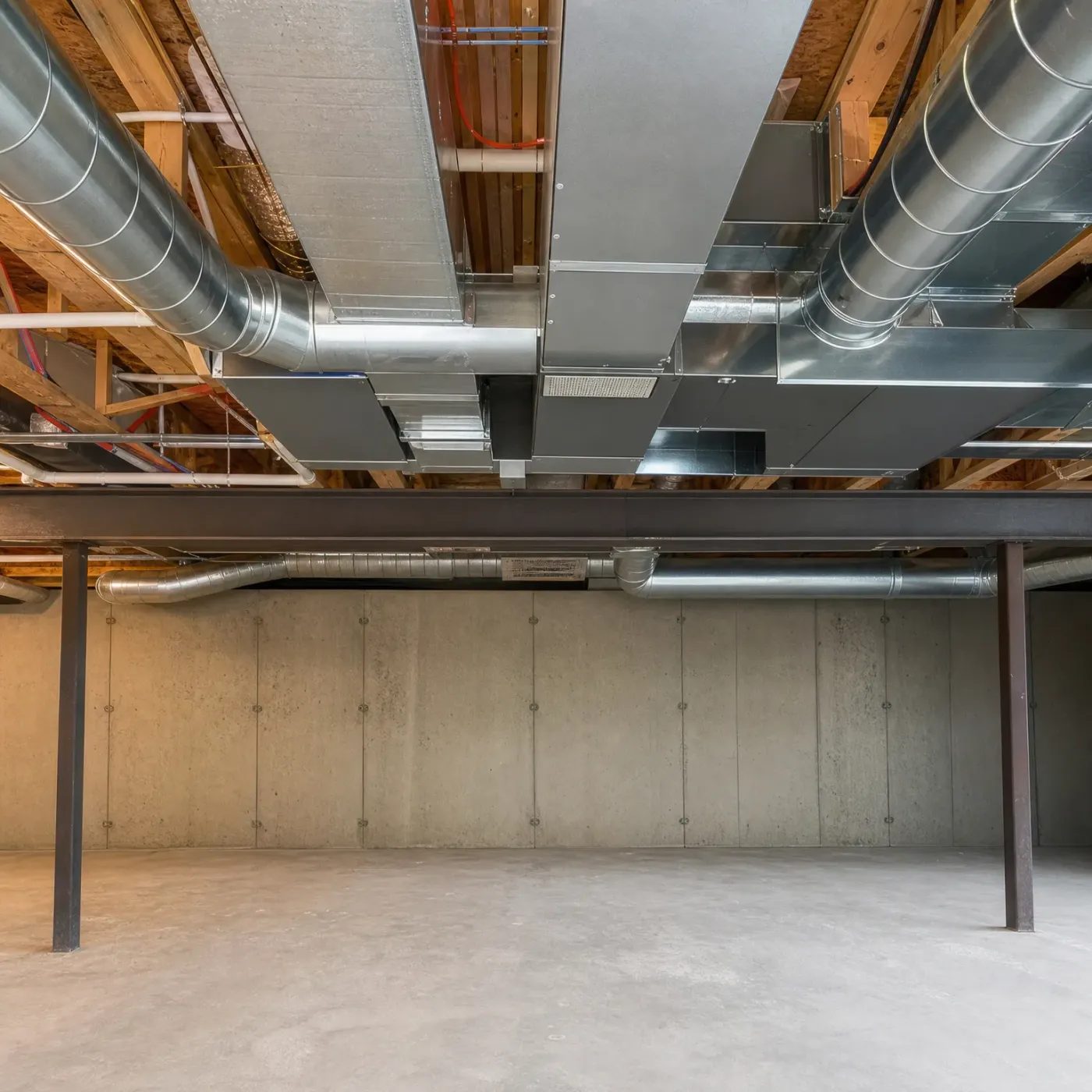
Unfinished basement with concrete walls and floor, a steel beam on posts, and exposed wooden joists with sheet-metal ductwork and piping overhead.
After you get your ductwork cleaning
  1. A contractor inspects the duct runs and the furnace cabinet first.

  2. A vacuum unit connects to the ductwork to pull air negative.

  3. Agitation tools knock loose dust packed along the duct walls.

  4. The vacuum draws loosened dust out through the access points.

Power here costs 15.91 cents per kilowatt-hour

At 15.91 cents per kilowatt-hour, running your blower longer than it needs to shows up on the bill. Leaky or dirty ducts make the furnace cycle more to push the same air through your rooms, so sealing them up can mean less runtime, not just less dust.

EIA-861 2025

What's Behind Your Dust

  • Dust that returns fast comes from the ducts pulling dry Denver dirt through the system and pushing it back into your rooms.
  • Gaps at the seams and leftover buildup along the duct walls are the parts a filter change can't reach.
  • A contractor who works on Denver County duct systems all winter and summer knows where seams typically separate and where dirt collects first.
  • Matching you with one local contractor means a single visit to assess your ductwork, not several companies calling about the same job.
  • Clearing the dirt packed into the runs is what stops the dust from resettling days after you clean.
  • Once the ducts are sealed and cleared, what the furnace pushes out is closer to what the filter already caught.

The dust is coming from the ducts, not from anything you're doing wrong. Denver's dry air carries fine dirt that never settles on its own, and every time the furnace or AC cycles, that dirt moves through the system and lands back on your shelves and furniture. A filter catches some of it, but the filter only sees air moving through the main cabinet. It can't reach dirt already packed along the duct walls, and it can't stop air leaking in through gaps at the seams, which pulls in dust from wherever those gaps open up, often a basement or crawlspace. That's why a new filter doesn't fix it. The buildup and the leaks are already inside the runs, feeding dust into your rooms with every cycle.

Clearing that buildup and closing those gaps is what actually changes things. Once the ducts are cleared and sealed, the air moving through them stays closer to what the filter already caught, instead of picking up more dirt on the way to your rooms. That's a job for someone who knows this ductwork, not a general handyman call. A contractor working on Denver County duct systems through the winter heating months and the summer AC months has seen where seams give out first and where dirt tends to pack in, because it's the same systems and the same dry dirt he deals with all year. When you get matched here, it's with one contractor who takes on your job specifically, not a handful of companies competing to call you back first. That means one visit, one assessment of your actual ducts, and a straight answer about what it'll take to stop the dust from coming back.

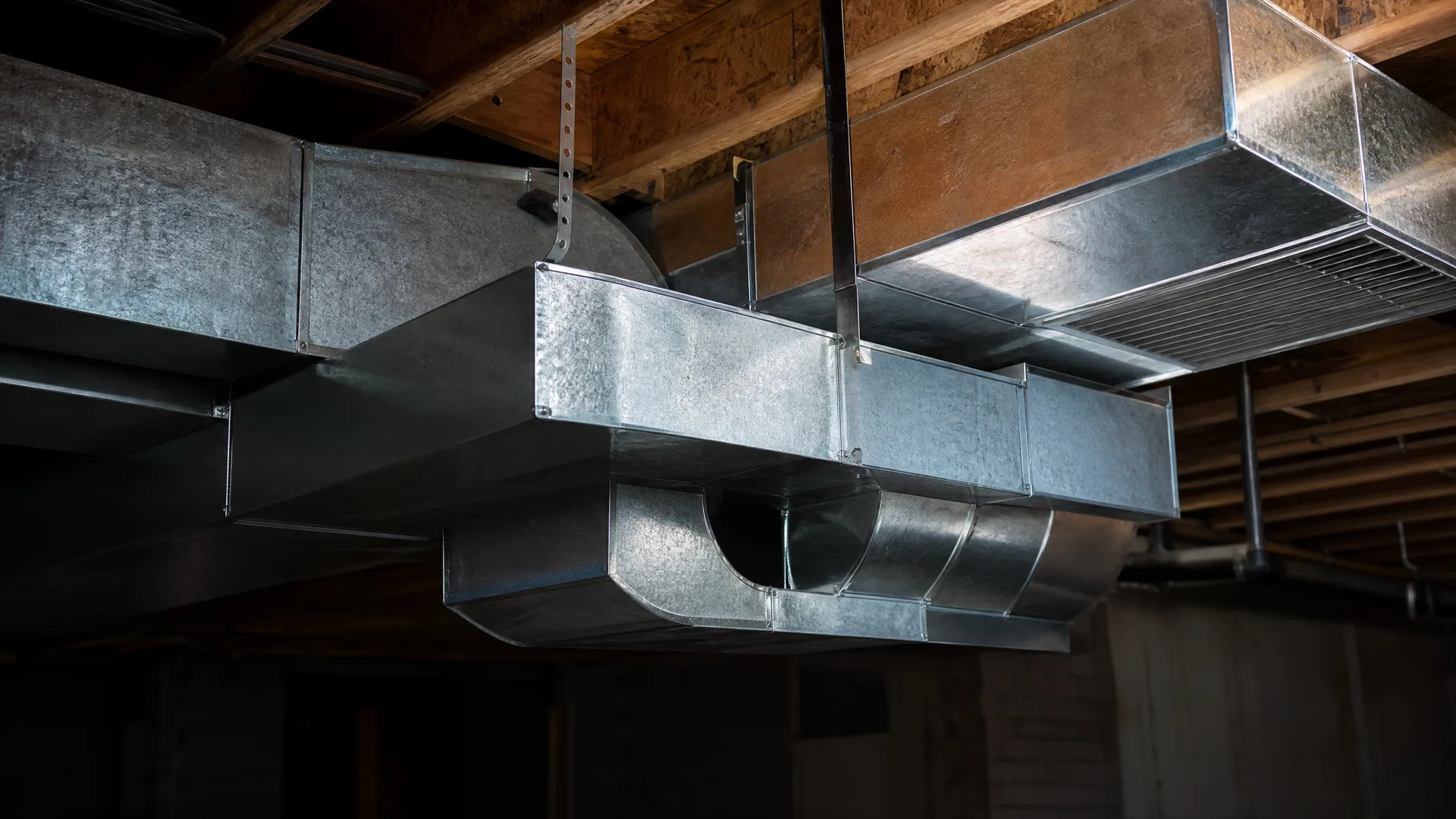
Galvanized sheet metal HVAC ductwork with rectangular trunks and round takeoffs suspended from wooden floor joists in an unfinished basement ceiling.

A local pro for your ductwork cleaning

Duct and vent cleaningDucts or ventsDenver County, CO
Step 1 of 2

What ZIP code is the job in?