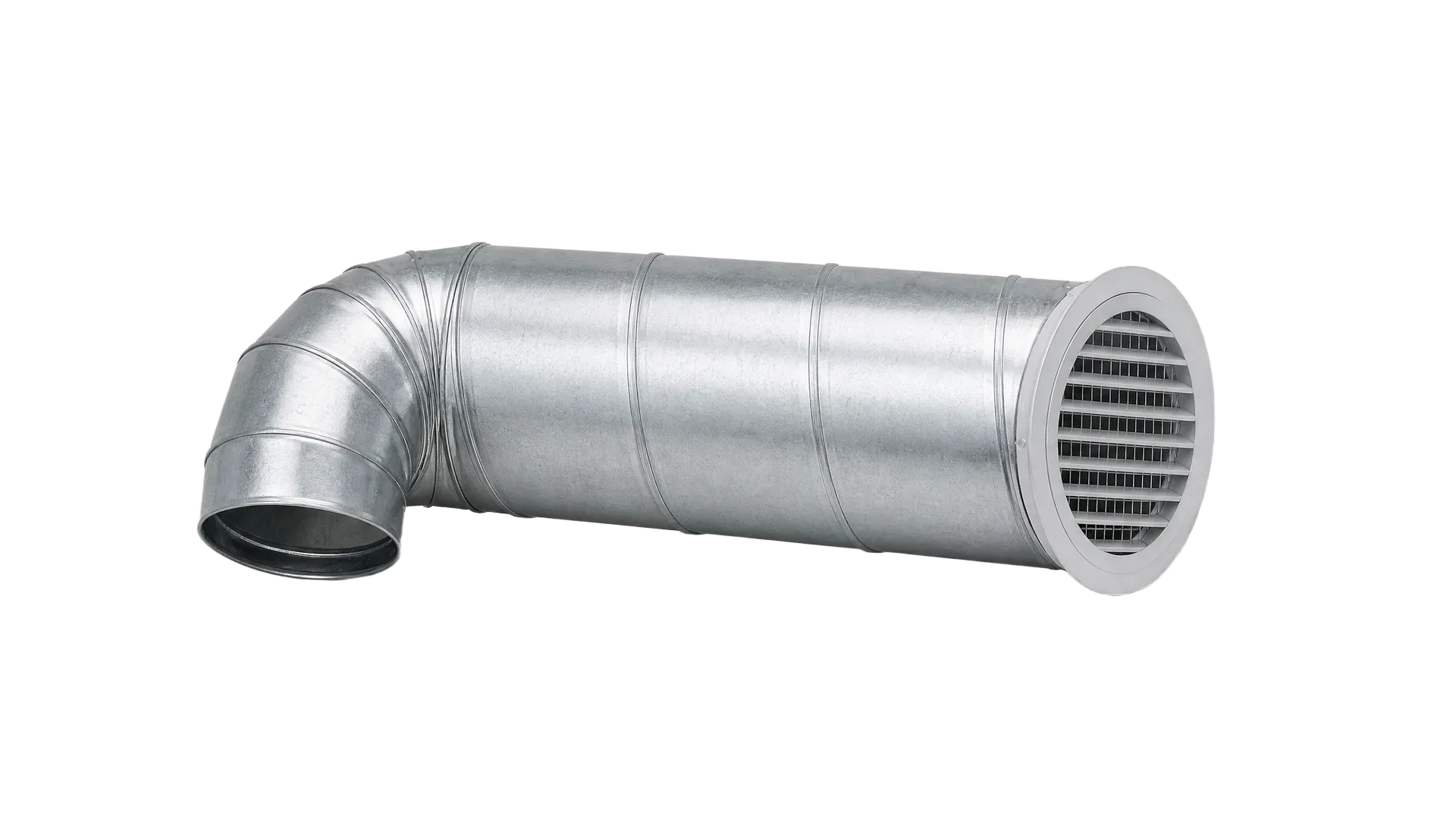
Dust, not mold
Colorado's dry air keeps mold out of ductwork, so the dust and construction debris that settle in your vents are usually what a cleaning actually removes here.
It depends on what's in your ducts, but most homes here don't need it on a regular schedule. Colorado's air is dry, and dry air doesn't grow the mold and mildew that duct cleaning companies warn you about in damper climates. What builds up here instead is dust, and dust gets pulled through the system and caught by the filter long before it packs the ducts themselves. Where cleaning does matter is after a dusty remodel, if you've found rodent droppings or nesting material in the vents, or if you can see heavy buildup when you pull a vent cover off and look. Since most homes here heat with gas, it's also worth having the furnace and venting checked at the same time, since that's a safety matter separate from dust. If your ducts look clean and your filter changes are current, cleaning them on a schedule is not doing much for you.




Colorado's dry air keeps mold out of ductwork, so the dust and construction debris that settle in your vents are usually what a cleaning actually removes here.
Pull a vent cover and look inside. If you see heavy dust buildup or debris, that's a better reason to clean than any fixed schedule.
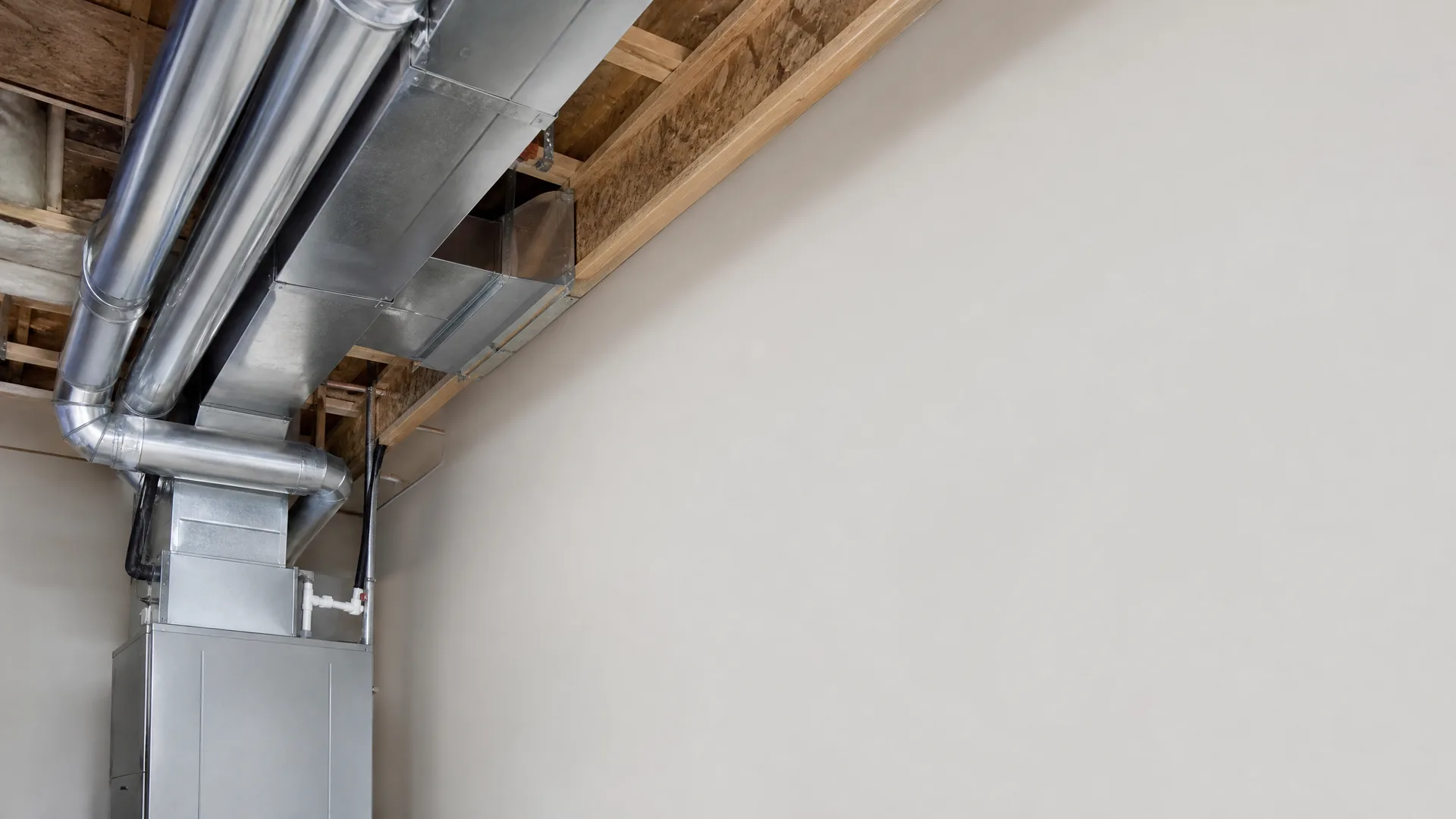
Dust pulled through your ducts settles on the furnace's blower wheel and the coil if you have central air. A blower caked in dust moves less air, so rooms far from the furnace run cooler in winter and warmer in summer than they should. The furnace runs longer to make up for it, and a dirty blower wheel can throw itself out of balance over time. You'll notice the furnace cycling more than it used to, even though nothing else about the house changed.
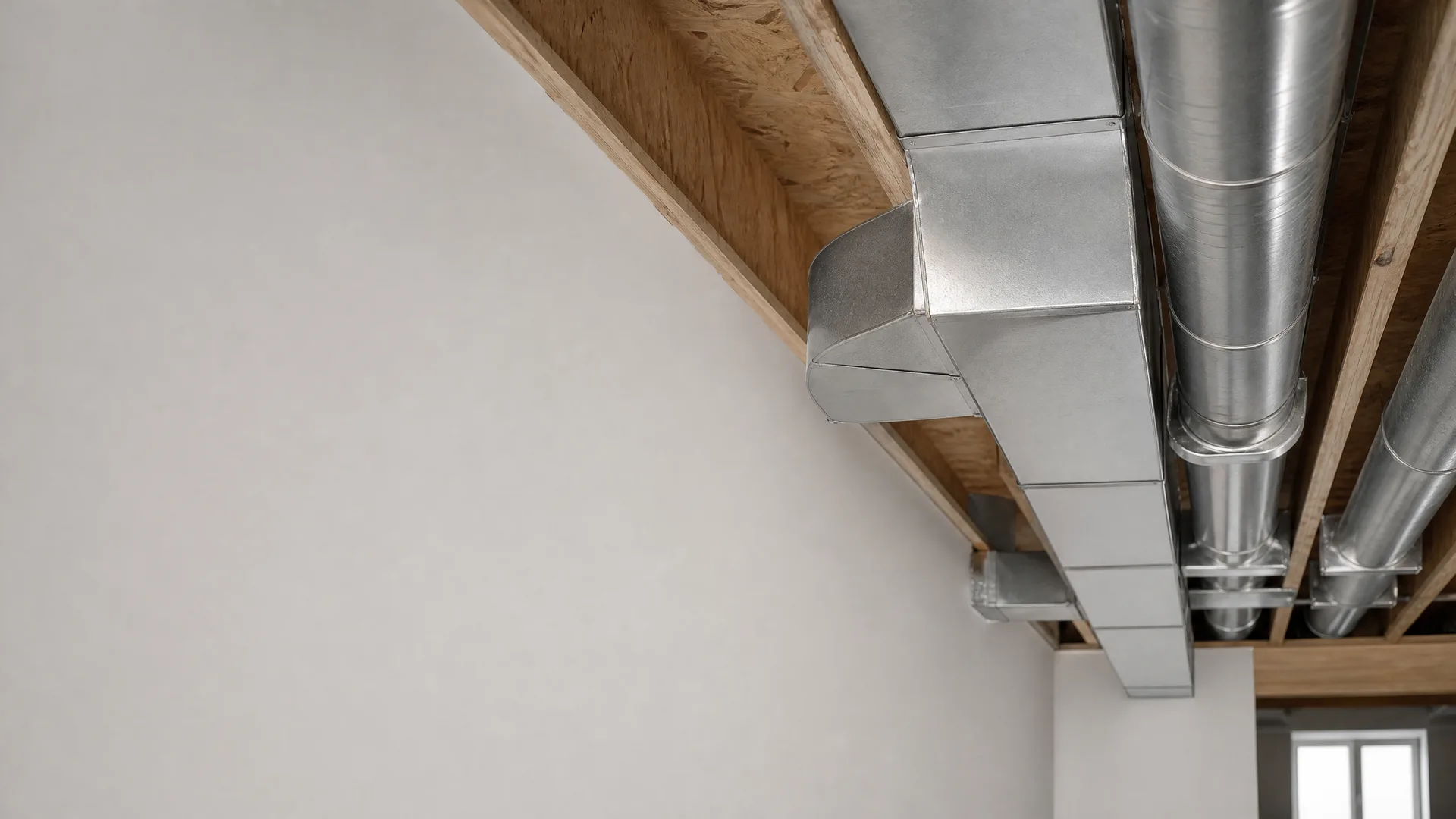
A gas furnace working harder to push air through dusty ducts uses more gas to heat the same rooms, and that shows up on your winter bill. The dust itself doesn't stay in the ductwork. It comes out the registers and settles on furniture, shelves, and floors, which means more cleaning for you between now and whenever the ducts get looked at. If anyone in the house has allergies, that dust is what's reaching them every time the furnace or AC kicks on.
You dust the shelves on Saturday and by Wednesday there's a film on them again. Or the vent in the back bedroom barely pushes air, and when it does, you catch a stale, dry smell riding on it. Pull the return grille and run a finger along the inside edge. If it comes back gray and thick, that same dust is moving through the whole system every time the furnace kicks on. A dog or cat in the house speeds this up, since fur and dander travel the same path and pack into the ductwork faster than dust alone. None of this means your ducts are unsafe. It means the furnace is working harder to push air through a narrower path than it was built for, and the rooms furthest from it are the first to fall behind.


Your request goes to one pro, not a list of companies.
Answer a few questions instead of calling shop after shop.
Sending the form costs nothing.




Changing your furnace filter on schedule stops new dust from building up. It does nothing for what already settled in the ducts, on the blower wheel, or on the coil during the years before you started paying attention. A filter is prevention going forward. A cleaning addresses what's already there. If you've only recently started changing filters regularly, or if the house sat with a dirty filter for a stretch before you moved in, a cleaning clears out what accumulated during that time. Neither one replaces the other. Skipping the filter afterward just means the ducts fill back up.
A single cleaning makes sense after a remodel, a new-construction debris problem, or years of neglect you're catching up on. It clears the backlog and you're done. A recurring schedule, the kind some companies push every year or two, assumes your ducts refill with debris at a steady rate the way they might somewhere humid, where mold regrows. Colorado's dry air doesn't drive that cycle. Once the existing dust and construction debris are out, there's no mold regrowth forcing another visit on a fixed clock. The honest approach is to pull a vent cover occasionally and clean again when you see buildup, not on a schedule set by someone selling the service.
At 15.69 cents a kilowatt-hour, a blower wheel caked in dust costs you more to run every month it stays that way. Cleaning the ducts and clearing that buildup is what lets your furnace move air the way it's supposed to, instead of working harder for the same heat.
EIA-861 2025 statewide residential average
Pull a vent cover before you decide anything. Heavy dust, pet hair, or debris from a remodel means the job is worth doing now. A light coat of dust that matches what settles everywhere else in a dry climate means it can wait. That's the whole answer, and you can check it yourself in a few minutes.
What changes is who handles it once you know. A contractor who works on furnaces and ductwork all season in Colorado has pulled covers like yours dozens of times. They know dry air doesn't breed mold here, so they're not selling you on a problem your climate doesn't have. They know what a caked blower wheel does to a power bill, because they've seen the furnace underneath the dust, not just the number on the statement. That's different from a crew that cleans ducts in Phoenix one week and Florida the next and treats every house the same.
You're matched with one contractor, local to you, not a handful of companies competing for the callback. That means you describe your vents and your furnace once. No repeating the same details to three different crews, no comparing quotes that all assume a problem you may not have. You already did the hard part by checking the registers yourself. What's left is getting someone who services this equipment regularly to confirm it and do the work if it's needed, without the runaround of finding them on your own.
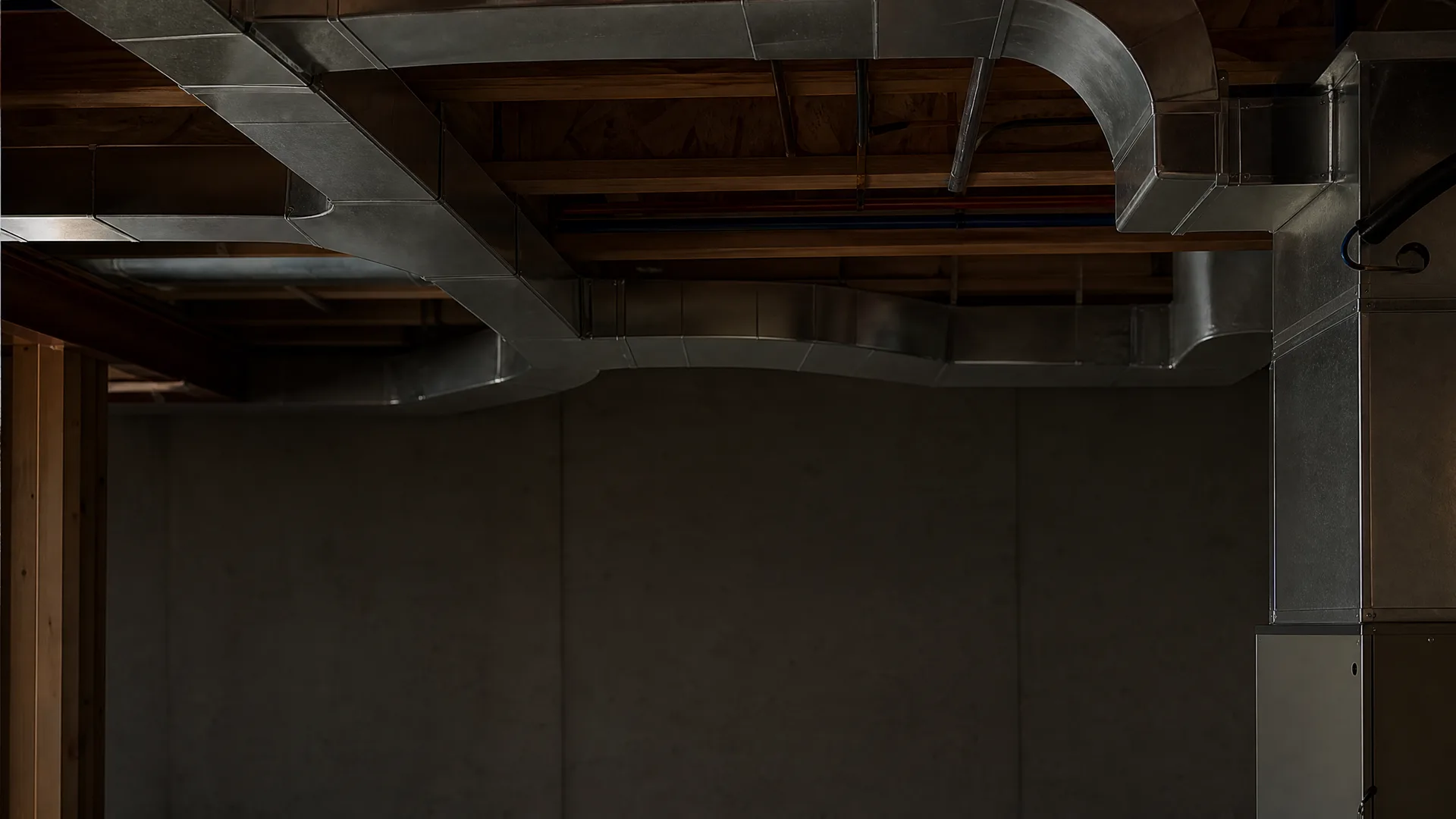
The pro who reaches out is licensed in Colorado.