
HVAC Installation in Rifle, CO
Tell us about the house, and a licensed contractor who covers Garfield County will get in touch.
Tell us about the job
It takes about a minute.
Step 1 of 3: Equipment
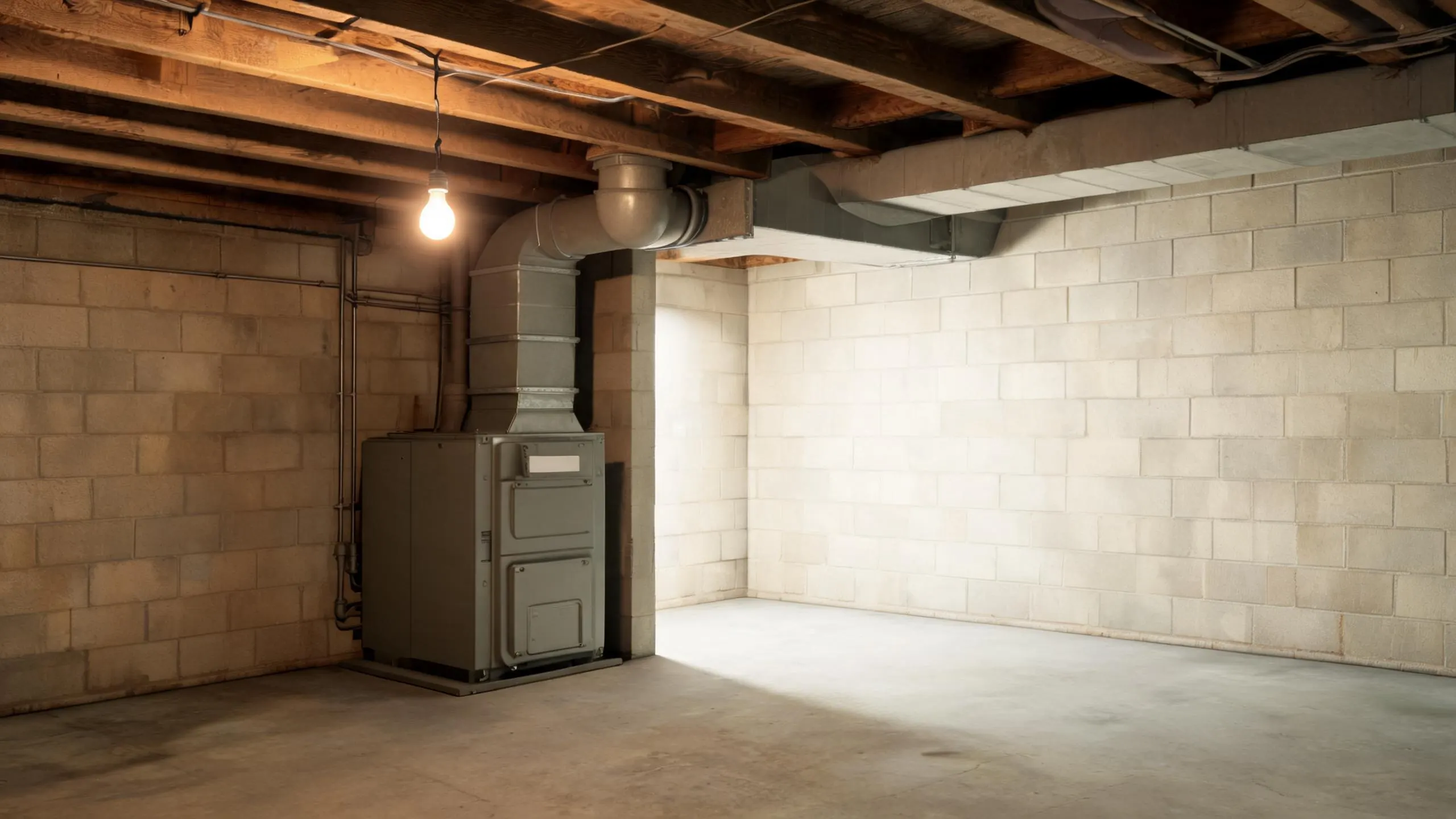
A furnace here works ten months out of the year
Rifle needs heat from September through June. That is ten months a year the furnace is what stands between the house and a night that averages 16°F. Summers stay mild, with afternoons around 77°F, so cooling asks almost nothing of the system. Nearly all the load falls on heating, and a new system has to be sized and set up for that.
Most homes here heat with gas. A new furnace has to meet the federal minimum efficiency rating, and in a place where winter runs this long, what gets installed is going to be working hard for most of the year, not just a few cold weeks.
- 10 months
- September through June, your system heats
- 16°F
- the average winter night it heats against
- 77°F
- the average summer afternoon it cools against
- When should I replace my HVAC system?
- Replace it when repairs start costing more than they're worth or when the system can't keep up anymore. A furnace that needs a major repair, like a cracked heat exchanger, is usually past the point of fixing. Here, the furnace runs September through June, so it carries most of the load in the house and wears accordingly. If yours is struggling to hold the house at temperature on the cold nights, that's a sign to look at replacement rather than another repair.
- Should I replace my furnace and air conditioner at the same time?
- If both units are old, yes, it makes sense to do them together. A furnace and air conditioner installed at the same time are matched to work with each other, and doing one now and one later means paying for labor more than once. If your furnace is failing but your air conditioner is still young, a contractor can look at both and tell you whether pairing them makes sense for your setup.
- What happens during an HVAC installation?
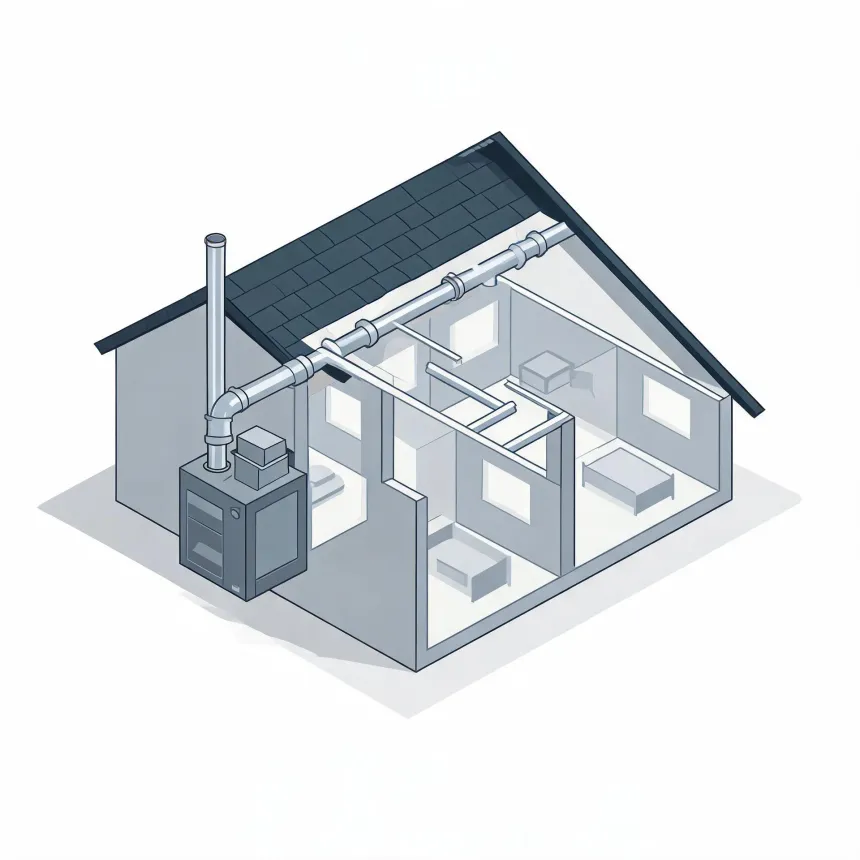
- A contractor removes the old equipment, sets the new furnace or air conditioner in place, and connects it to the ductwork, gas line or refrigerant lines, and electrical. After that comes venting, whether that's a flue for a gas furnace or a line set for an air conditioner. Once everything is connected, the contractor tests the system, checks airflow through the ducts, and confirms it's heating or cooling correctly before leaving. The exact steps depend on what's being replaced and what's already in the house, so a contractor can walk through the specifics for your system.