
HVAC Installation in Gypsum, CO
Tell us about the house, and a licensed contractor who covers Eagle County will get in touch.
Tell us about the job
It takes about a minute.

Gypsum asks a lot from a heating system
Winter nights here average 11°F from December through February, and homes need heat from August clear through June. That's 11 months a year the furnace or heat pump is doing real work, not just a few cold snaps. Whatever gets installed has to hold up to that kind of use winter after winter without breaks.
Summers stay mild, averaging 73°F in the afternoon, so cooling asks little in comparison. The system you choose should be sized for the heating load this place actually has, not built around a cooling season that barely shows up. Most homes here heat with gas, and any new furnace installed has to meet the federal efficiency minimum, so that part of the decision is already made for you. What matters more is getting the size and setup right for eleven months of real winter.
- 11 months
- August through June, your system heats
- 11°F
- the average winter night it heats against
- 73°F
- the average summer afternoon it cools against
- When should I replace my HVAC system?
- Replace it once repairs start happening more than once a season or the cost of fixing it starts to rival a new one. In Gypsum your furnace runs from August through June, so it carries most of the year's work and the wear shows up sooner than it would somewhere milder. Watch for uneven heat, rising bills, or a furnace that cycles on and off more than it used to. If it fails on one of the nights here that drop to 11°F, you don't want to be shopping for a new system in the cold.
- Should I replace my furnace and air conditioner at the same time?
- In Gypsum, this usually comes down to your furnace alone. Cooling isn't something homes here need, so most of the work a system does is heating, and that's where the wear happens first. If your furnace is old enough to replace, a contractor can look at whatever cooling equipment you have and tell you if it's worth doing at the same time or leaving it alone.
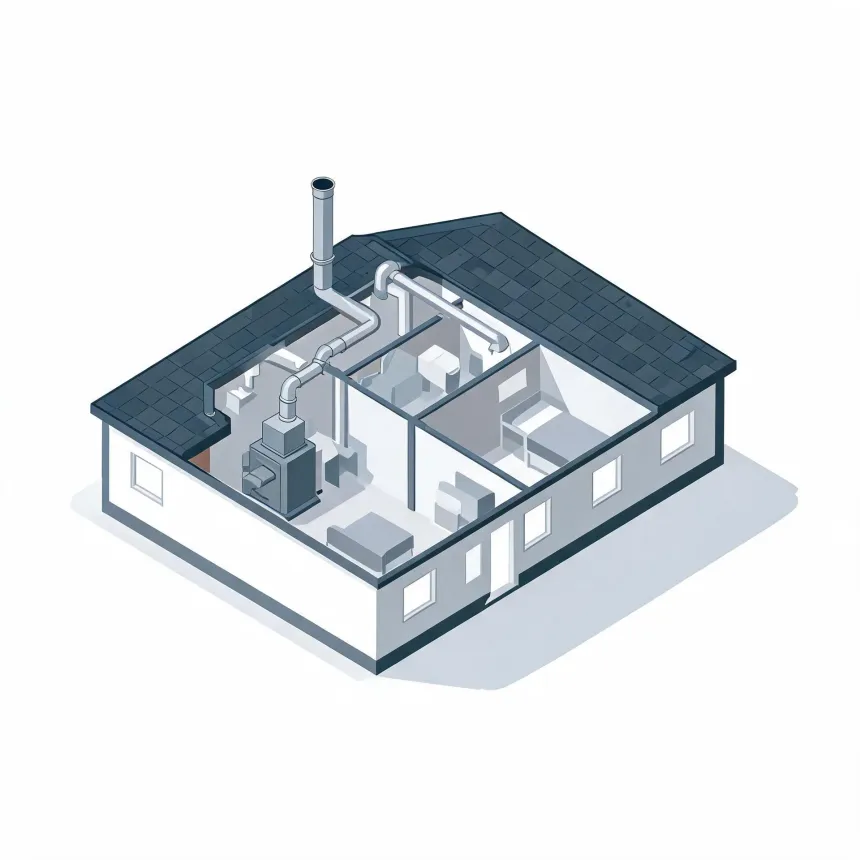
- What happens during an HVAC installation?
- A contractor first removes the old equipment, then sets the new furnace or air handler in place and connects it to your ductwork, gas line or electrical, and venting. Once it's hooked up, they test the system to make sure it's firing correctly, moving the right amount of air, and shutting off the way it should. Since your furnace here runs from August through June, they'll also check that it's sized right for your home before they finish up, since a furnace that's too big or too small shows its problems fast in a place with winters like this.