
HVAC Repair in Rifle, CO
If your system quits, tell us what it's doing and a licensed contractor who covers Garfield County will get in touch.
Tell us about the job
It takes about a minute.
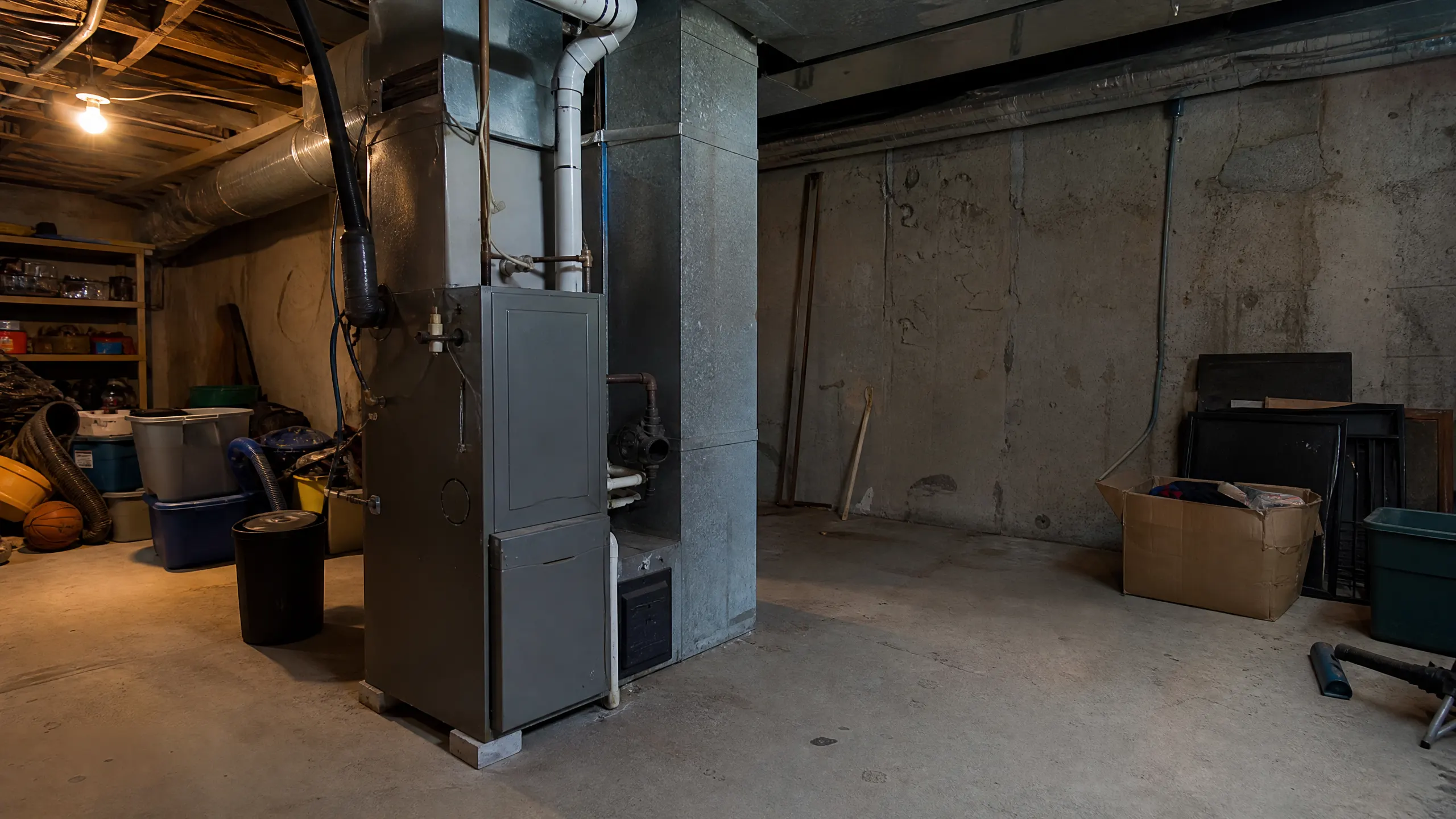
Ten months of heat a year, and cold nights that push it hard
Your furnace in Rifle runs from September through June. On winter nights averaging 16°F, it is cycling on and off most of the night to keep up. Every start puts load on the igniter and the burner. When one of those parts wears out, the furnace either will not light or shuts off before the house warms up.
Summer here only asks for cooling on the hottest afternoons, averaging 77°F, so an air conditioner sits unused most of the year. A system that sits idle that long can be slow to start when you finally need it. Winter storms and damaging winds are common enough in this area that the power can go out, and most furnaces will not run without it. If yours does not come back on once power returns, that is worth a call.
- 10 months
- September through June, your system heats
- 16°F
- the average winter night it heats against
- 77°F
- the average summer afternoon it cools against
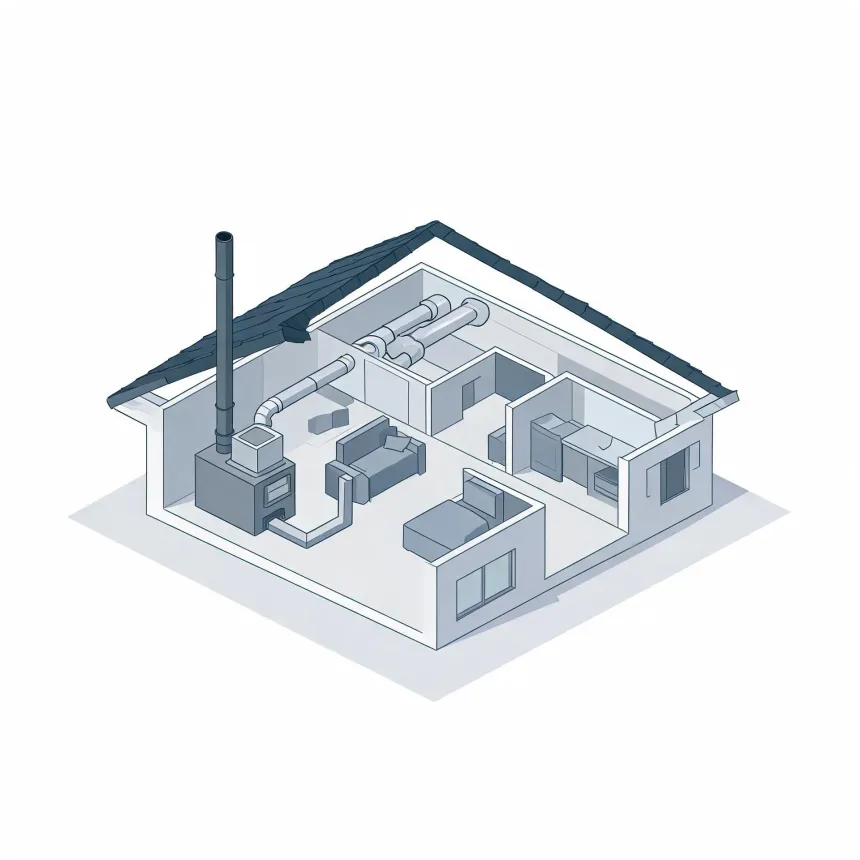

A new furnace and air conditioner would cut about $130 a year off heating and cooling for a typical Garfield County home.
Estimates for a typical Garfield County home, compared with an older unit built to the previous federal minimum, from EIA household energy data, Colorado fuel prices and NOAA climate normals. Your home will differ.
Repair makes sense when one part has failed.
Replacement makes sense when the furnace's heat exchanger is cracked, the air conditioner's compressor has failed, or repairs keep coming.
- Why is my heat not working?
- Most often it is the igniter or the flame sensor, and either one stops the burners from lighting at all. A dirty flame sensor will let the igniter glow but shut the gas off seconds later, so you get a brief attempt and then nothing. A dead thermostat battery or a tripped breaker can look the same from where you sit, so check both before you assume the worst. With winter nights here dropping to 16°F, it is worth having this looked at the same day rather than waiting.
- Why is my system running but not cooling the house?
- If the blower is running but the air is not cold, the problem is usually with the outdoor unit, not the fan. A dirty outdoor coil, a low refrigerant charge, or a failing compressor can all leave you with plenty of airflow and no cooling behind it. Check that the outdoor unit is not blocked by anything and that the air filter is not choked with dust. If the filter is clean and the outdoor unit is clear, the refrigerant side needs a contractor's gauges to diagnose.
- What can I check before calling for HVAC repair?
- Start with the thermostat. Make sure it is set to heat or cool as needed, the batteries are good, and the temperature you want is actually below or above the current reading. Next check the air filter, since a clogged one can choke off airflow enough to shut a furnace or AC down on its own. Then look at the breaker panel for a tripped switch, since power problems here are not rare, and if the system still will not respond, that is the point to call a contractor.