 Get my match
How often to clean a dryer vent in Colorado
A local pro who cleans dryer vents gets in touch with you.
Once a year is the right rule for most houses in Colorado. If your dryer runs a big load almost every day, or your vent run is long with a few turns in it, check it closer to every six months.
Lint builds up inside the vent pipe, not just in the trap screen. You can clean that screen every load and still have a vent that's choking. A clogged vent makes the dryer run hotter and longer to dry the same load, and it's the most common reason a dryer starts taking two cycles instead of one.
A dry Colorado summer does not change how fast lint builds up. Heat doesn't clear a vent, airflow does, so the dry months here don't buy you more time between cleanings.
A blocked dryer vent is also a fire risk, since it traps heat and lint together in a closed pipe. That risk doesn't ease up because the air outside is dry. If anything, a hot, dry summer in Colorado is a bad time to be running a dryer with a restricted vent.
You don't need to figure out how bad the buildup is on your own. Once you put in a request here, you're connected with one local contractor, not several companies calling you back. That contractor works on dryer vents in homes around Colorado regularly, which means they've seen how local vent runs tend to get set up and where lint tends to pack in tight, whether that's a long horizontal run, a rooftop cap, or a tight turn behind the machine.
They'll look at your actual setup, not a general case, and tell you what they find and what it means for how often you should be doing this. From there, it's a straightforward conversation about what your vent needs and when, based on how your dryer is actually installed and used, not a guess pulled from a national average.
Once a year is right for most homes in Colorado. Lint builds up along the inside of the vent pipe even when you clean the trap screen every load, and once enough collects, the dryer has to push air through a narrower path to get outside. That makes it run hotter and take longer to dry a load. Dry summers here mean the lint inside stays dry and loose, which is good for airflow but also means it moves and packs into bends in the pipe over time. A dryer that now takes two cycles to do what one used to do is telling you the vent needs attention. So is a laundry room that feels warmer than it should, or a vent hood outside that barely moves air when the dryer runs. Gas dryers add another reason to stay on top of it: a blocked vent keeps exhaust from clearing the way it's supposed to.


Get the right pro for your dryer vent
Your request goes to one pro, not a list of companies.
Your dryer vent cleaning request goes to a local pro who does this work.
Asking costs nothing, and the choice to hire stays yours.
Why is your dryer taking two cycles to dry a load?
A load that used to take forty minutes and now takes seventy is usually the vent, not the dryer. Feel the outside hood while it runs. If the airflow is weak, or barely there, lint is sitting somewhere between the back of the dryer and the outside wall. You might also notice the top of the dryer getting warm to the touch, or the laundry room holding heat and a faint burnt-dust smell after a cycle. Check the lint screen too. If it's clean but you still find lint dust on clothes coming out, the trap isn't the problem. A vent that stays blocked is a known cause of dryer fires, and with gas dryers, restricted airflow also affects how exhaust clears the vent.

Lint collects along the pipe walls, not just the trap
Hot moist air has to push through a narrowing path
The dryer runs hotter and longer to finish a load
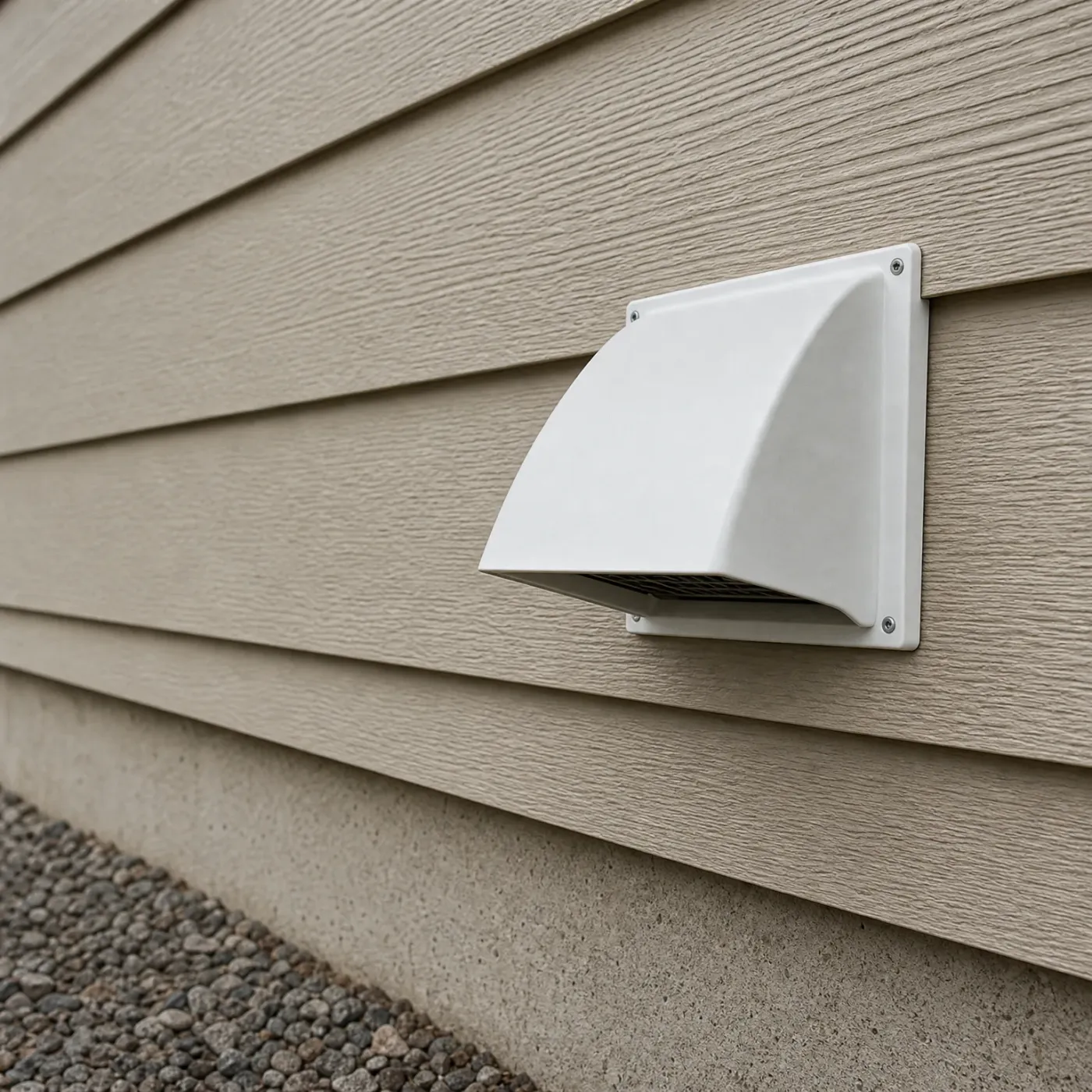
The outside hood flap stops opening wide when it runs






Power costs 15.69 cents per kilowatt-hour statewide
At 15.69 cents per kilowatt-hour, a dryer that's straining against a clogged vent costs you more every time it runs a second cycle to finish a load. Clearing that vent once a year keeps your dryer from working harder than it should on every electric bill.
EIA-861 2025 statewide residential average

Once a year keeps a dryer vent working the way it should
A once-a-year cleaning is the right call for most houses in Colorado, and twice a year if your vent run is long or the dryer runs daily. That's the answer. Everything else is just what happens when you skip it: longer dry times, a hotter dryer, a hood flap that barely opens.
A local contractor who clears vents all year in this state has seen which setups clog fast and which go the full year without trouble, long runs with a lot of turns, short straight shots to an outside wall, the ones that back up by summer and the ones that don't. When you request service here, you get matched with one contractor suited to your setup, not a handful of companies competing for your callback. They'll reach out and take it from there.


Dryer Vent Cleaning
A pro who works on dryer vents

- A local pro who knows dryer vents gets your details and gets in touch.
- Describe your dryer vent job, and a local pro who handles it gets in touch.

- One request and the dryer vent cleaning stops waiting on you.
- Once you send the form, finding a pro is off your list.

- Skip calling around for someone who cleans dryer vents.
- Answer a few questions about the dryer vent cleaning and skip the search.

- Only one pro gets your request, so you hear from one company.
- Your request stays with one local pro.