
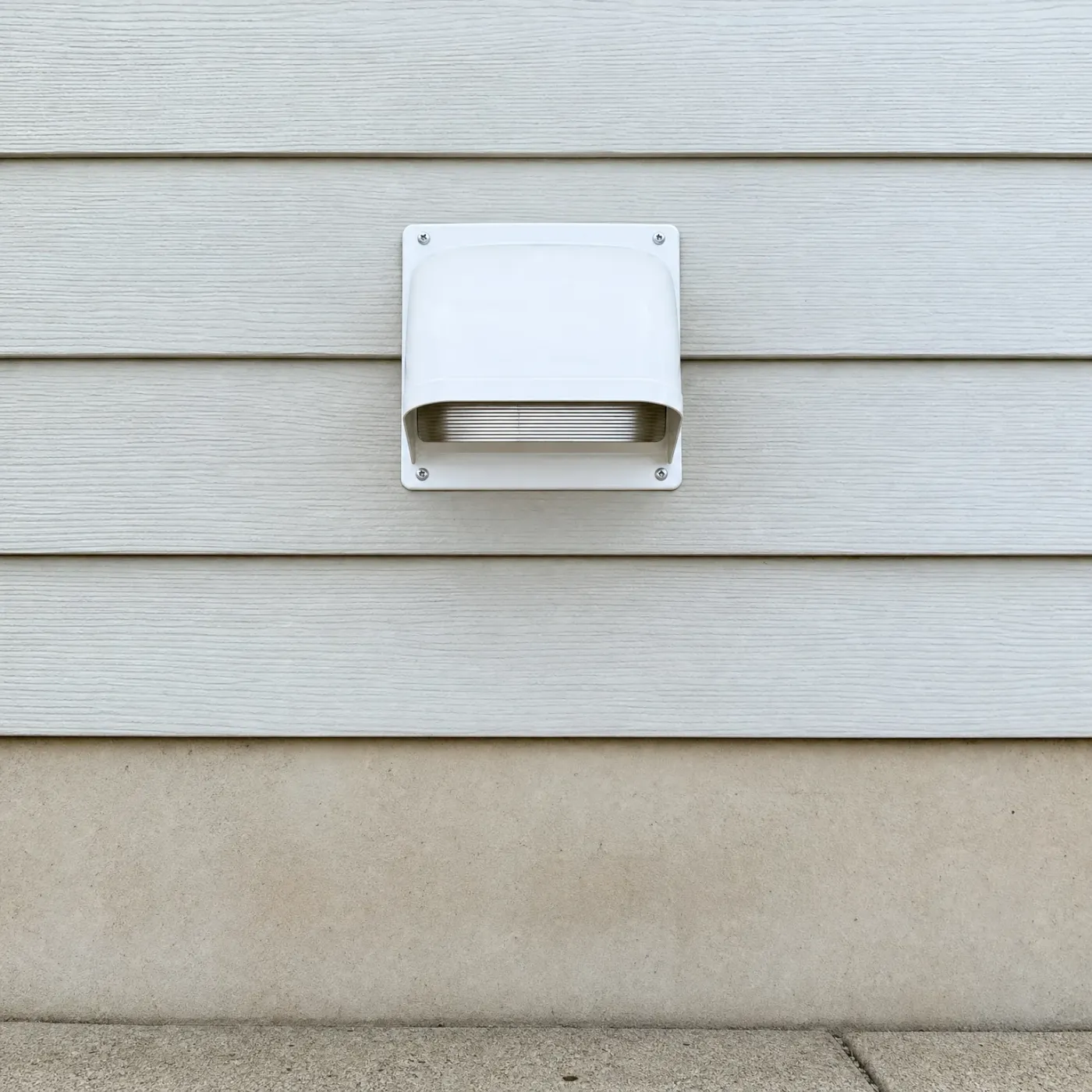
Vent clear and venting
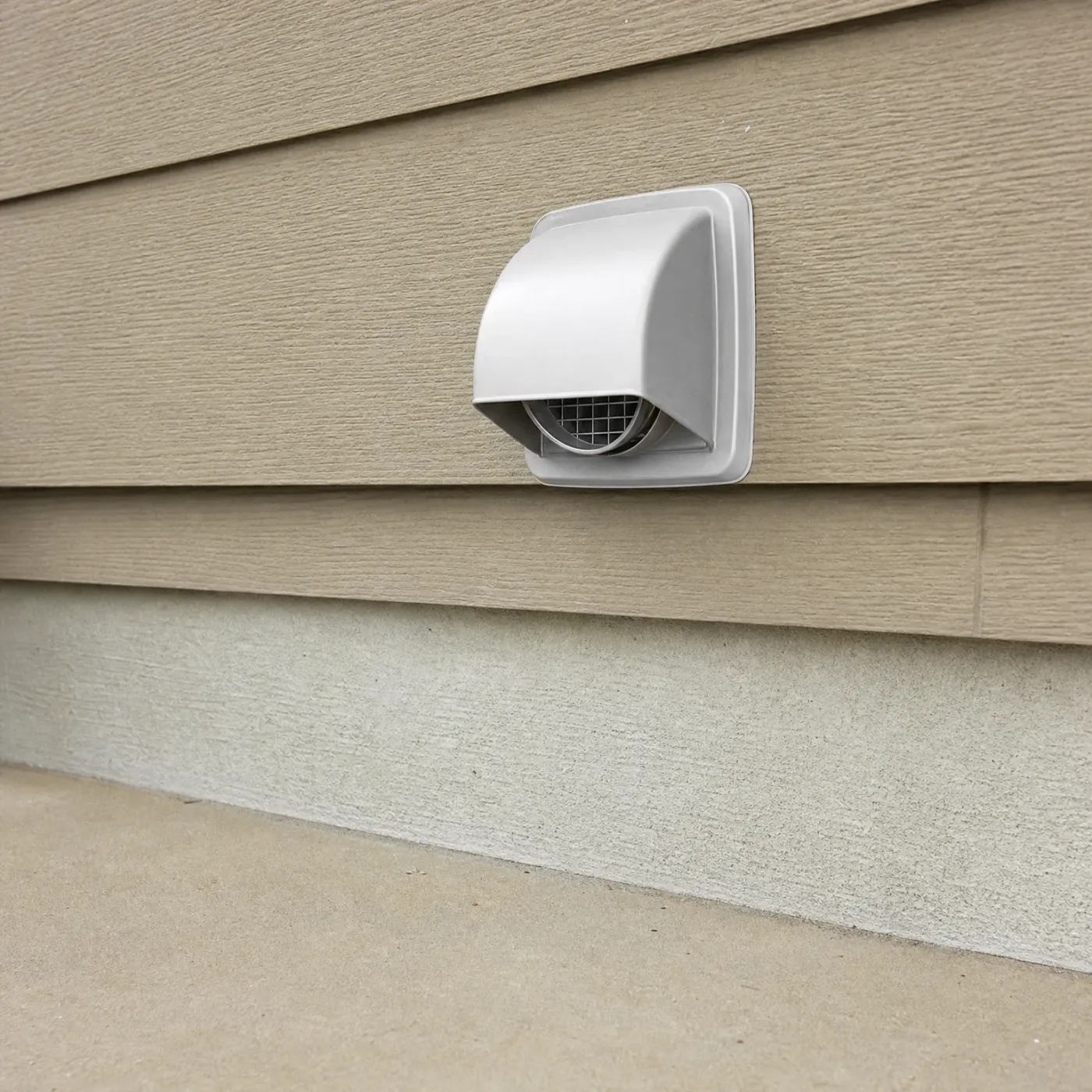
Air moves straight out through the hood and the louvers swing open with every cycle. A load of towels dries in one run. The outside cap stays clean because the lint is going out, not building up behind it.
A load that used to take an hour now runs through two cycles and still comes out damp. That usually points to lint built up in the vent run, not the dryer itself, and it tends to get worse every month it goes unchecked. In El Paso County, a blocked vent also pushes hot, moist air back into the house instead of outside, which matters once the dry air of a Colorado Springs winter has your heater running right alongside it. You do not have to track down who handles vent cleaning or wait on hold to find out if they have room for you. Send this and a contractor who covers your area will reach out to you directly, already knowing what you are dealing with. No more calling around, no more guessing whether the problem is the dryer, the vent, or something in between. Just hand it off and let someone who does this for a living take it from here.
You load the dryer, run a full cycle, and pull out clothes that are still warm and damp at the seams. So you run it again, and maybe a third time, just to get a load of towels dry. It didn't used to take this long, and you're left wondering if the dryer itself is wearing out or if something else is going on.
Your dryer works by pushing hot, damp air out through the vent while pulling in fresh air to keep the cycle going. When lint packs the vent duct, that damp air has nowhere to go, so it sits in the drum with your clothes instead of leaving the house. The dryer senses the load is still wet and keeps running, which is why you end up restarting the cycle. The longer a vent stays blocked, the harder the dryer has to work to push air through at all, and heat builds up inside the duct instead of venting outside. A dryer in good repair should dry a full load in under an hour. If yours needs two or three cycles, the vent run is almost always the reason, not the machine.
Air moves straight out through the hood and the louvers swing open with every cycle. A load of towels dries in one run. The outside cap stays clean because the lint is going out, not building up behind it.
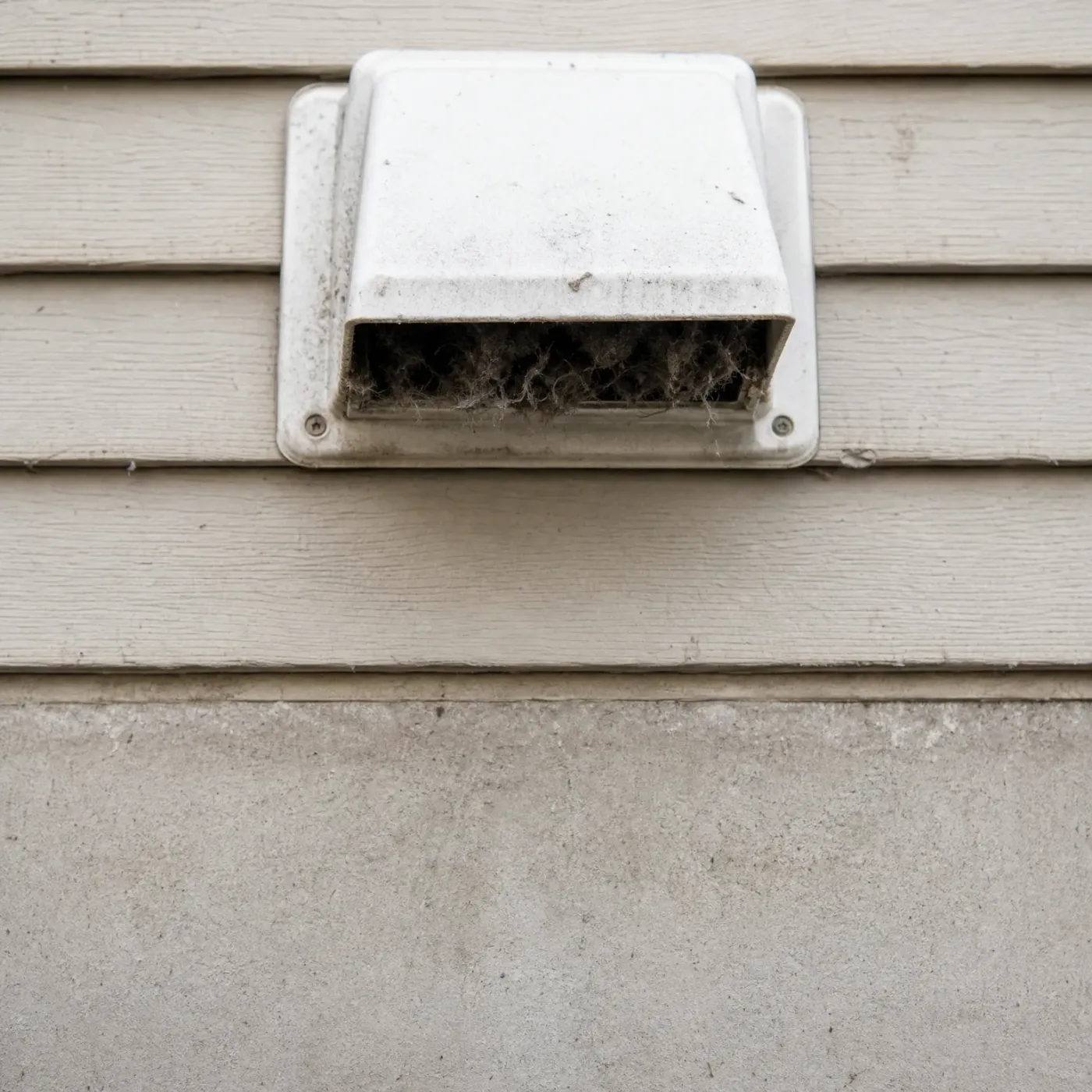
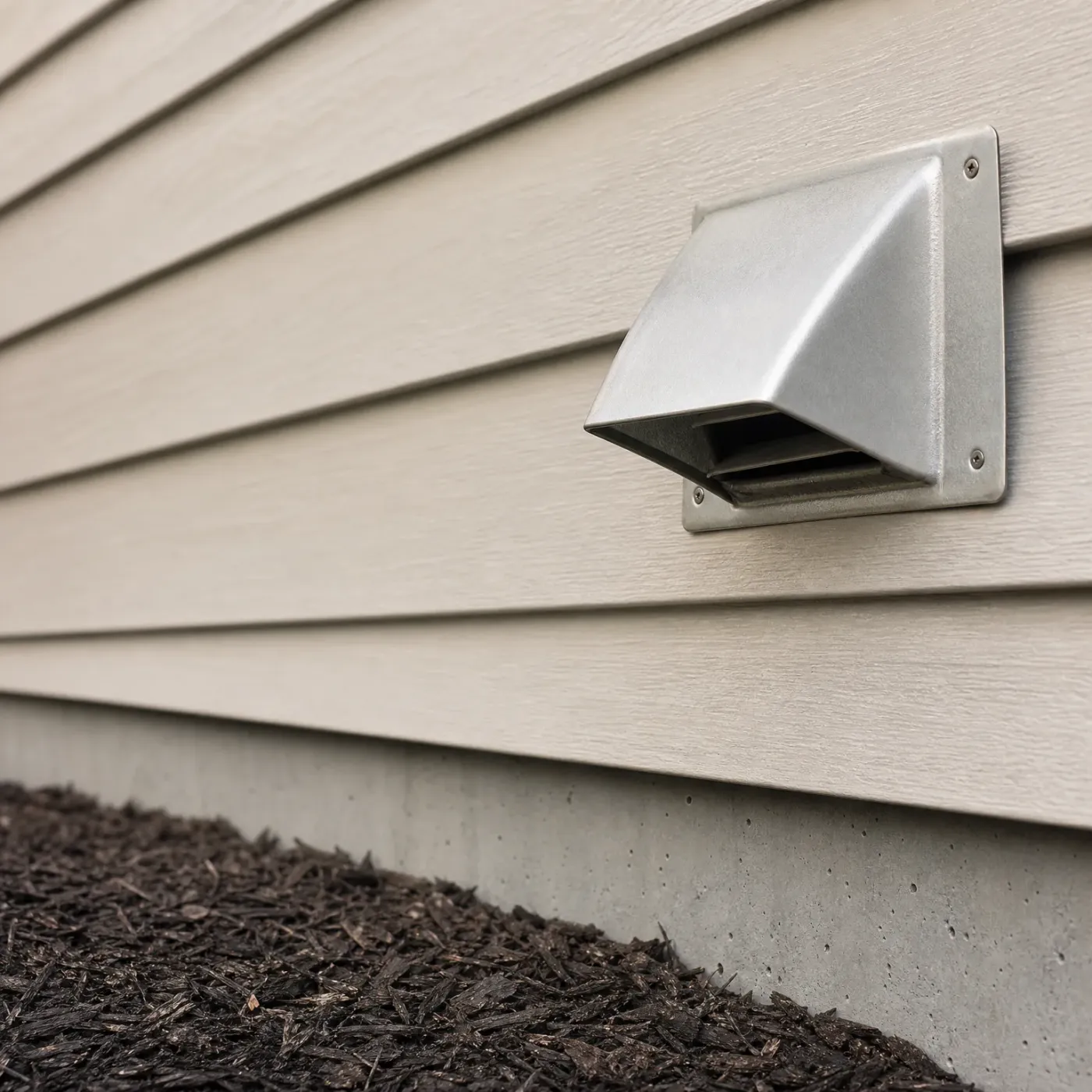
Lint has filled the opening behind the cap, so the louvers barely move and most of the moist air has nowhere to go. The dryer keeps heating against a blocked path, which is why one cycle turns into two or three and the air coming out barely moves.
2.48 people per household on average
The average household here runs 2.48 people, which means more loads through that vent every week, so lint has more chances to build up fast.
Half the homes here were built by 1989
Half the homes in El Paso County went up in 1989 or earlier, and a vent run that old has had decades to collect lint in bends and joints.
Power here costs 15.63 cents per kilowatt-hour
Electricity here runs 15.63 cents per kilowatt-hour, so a dryer running two or three cycles to finish one load adds up on every bill.
ACS 2020-2024 · EIA-861 2025




Lint leaves the drum and rides the airflow into the vent duct.
Lint catches on screw ridges and duct bends instead of blowing through.
The buildup narrows the duct until less air can pass.
The dryer runs hotter and longer trying to push air through.
Touch the dryer after a cycle and the front panel feels hotter than it should. The laundry room itself warms up, and the air coming off the clothes smells faintly scorched instead of clean. Check the outside vent cap while the dryer runs. If the louvers barely move or stay shut, air isn't getting out. Lint may show up around the lint trap slot even right after you've emptied it, because it's backing up from further down the duct. Left alone, that trapped heat and lint is a fire risk, and the motor works harder every load trying to push air through a duct that's half its usable width.

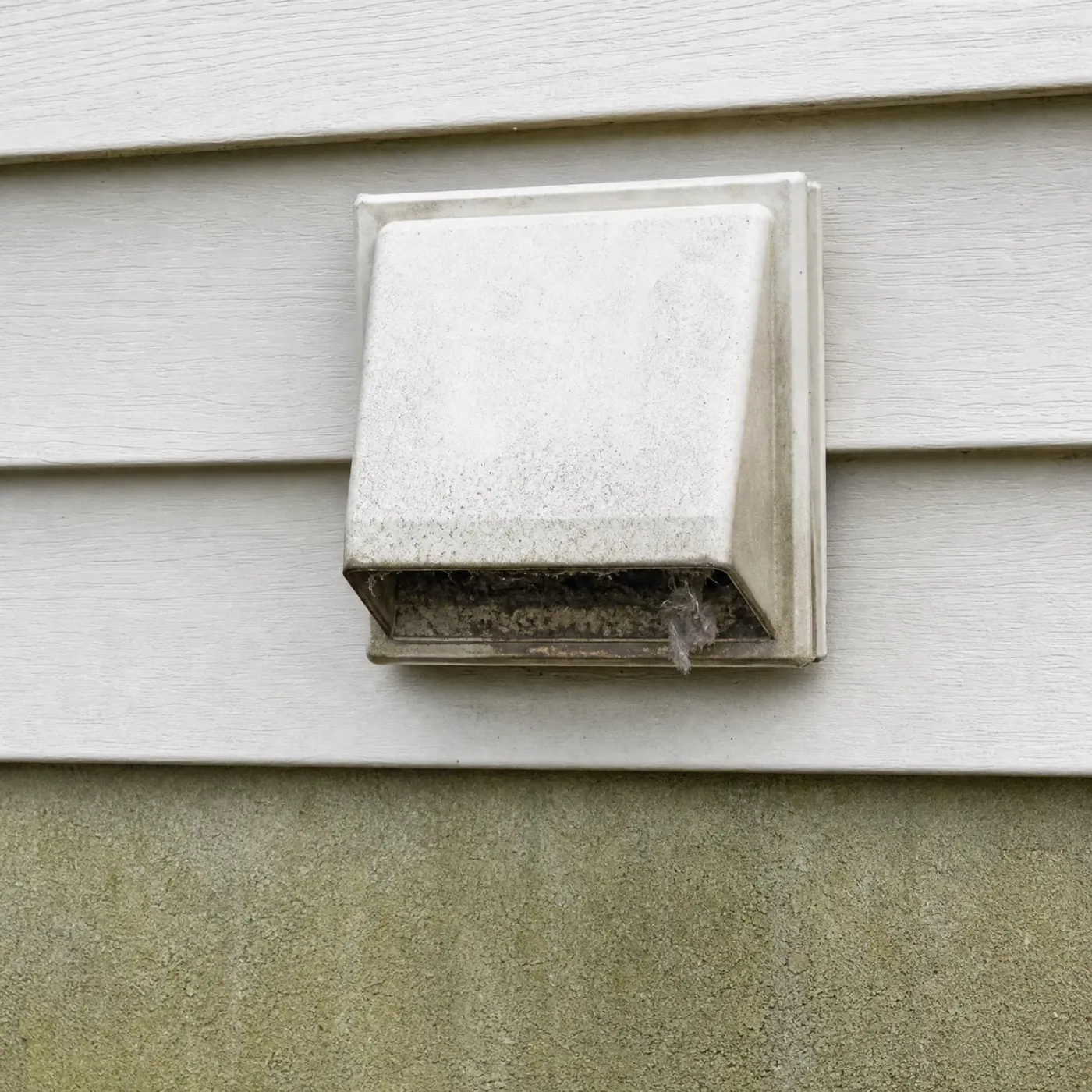


That's the standard dryer vent duct diameter. Even a thin layer of lint along the inside wall narrows that opening enough to choke off airflow and stretch out drying time.
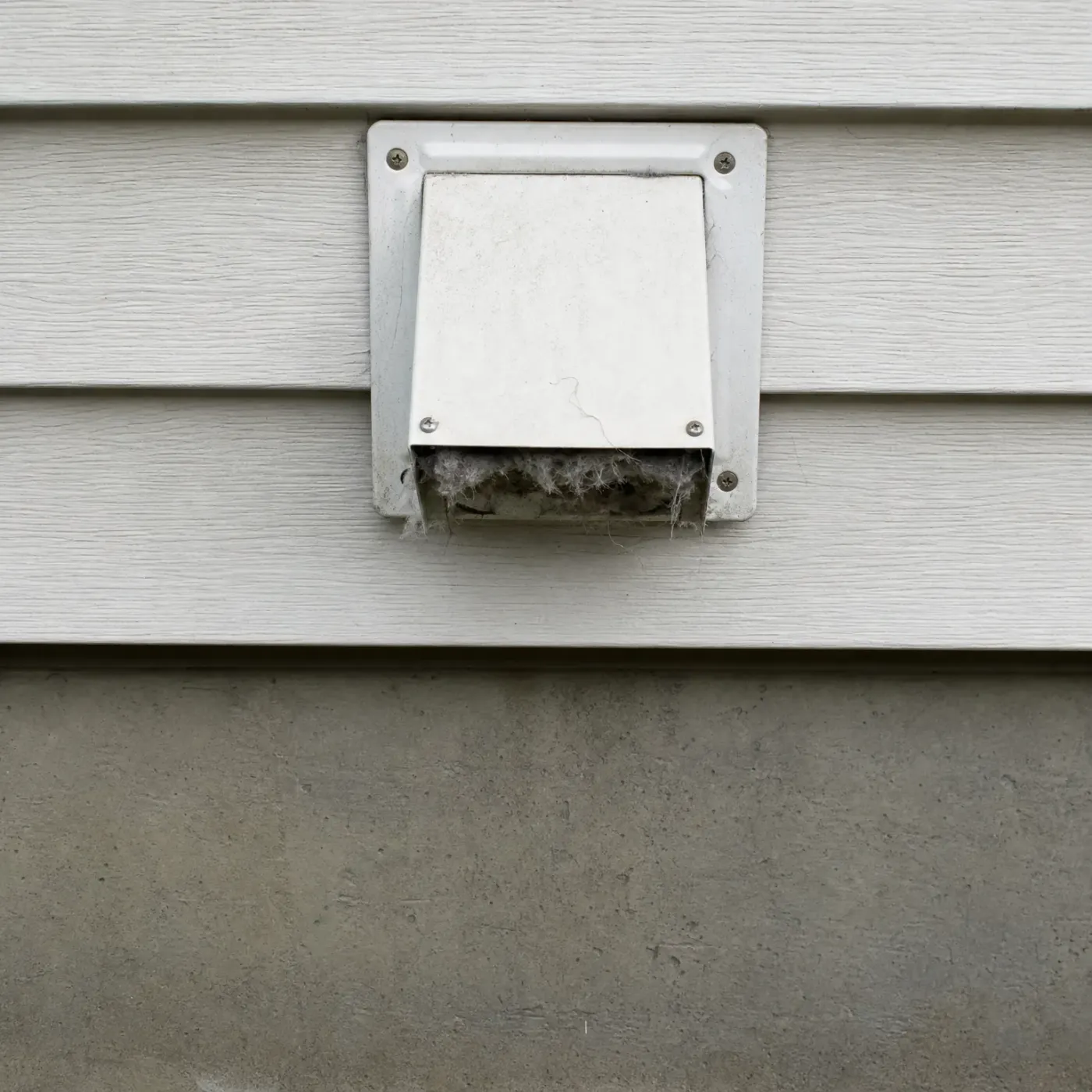
Packed lint sits closest to the heating element's airflow path. A blocked vent raises that risk every month it stays clogged, not just on the day it finally fails.
Send it once and finding someone is no longer on you.
Your request goes to an El Paso County pro who takes dryer vent jobs.
There's no charge for the request.
At 2.48 people, your household is still doing laundry most days of the week. Towels, sheets, work clothes, all of it moving through the same vent run. Every extra load is more lint riding into that duct, so a run that's already narrowing gets worse that much faster.
ACS 2020-2024
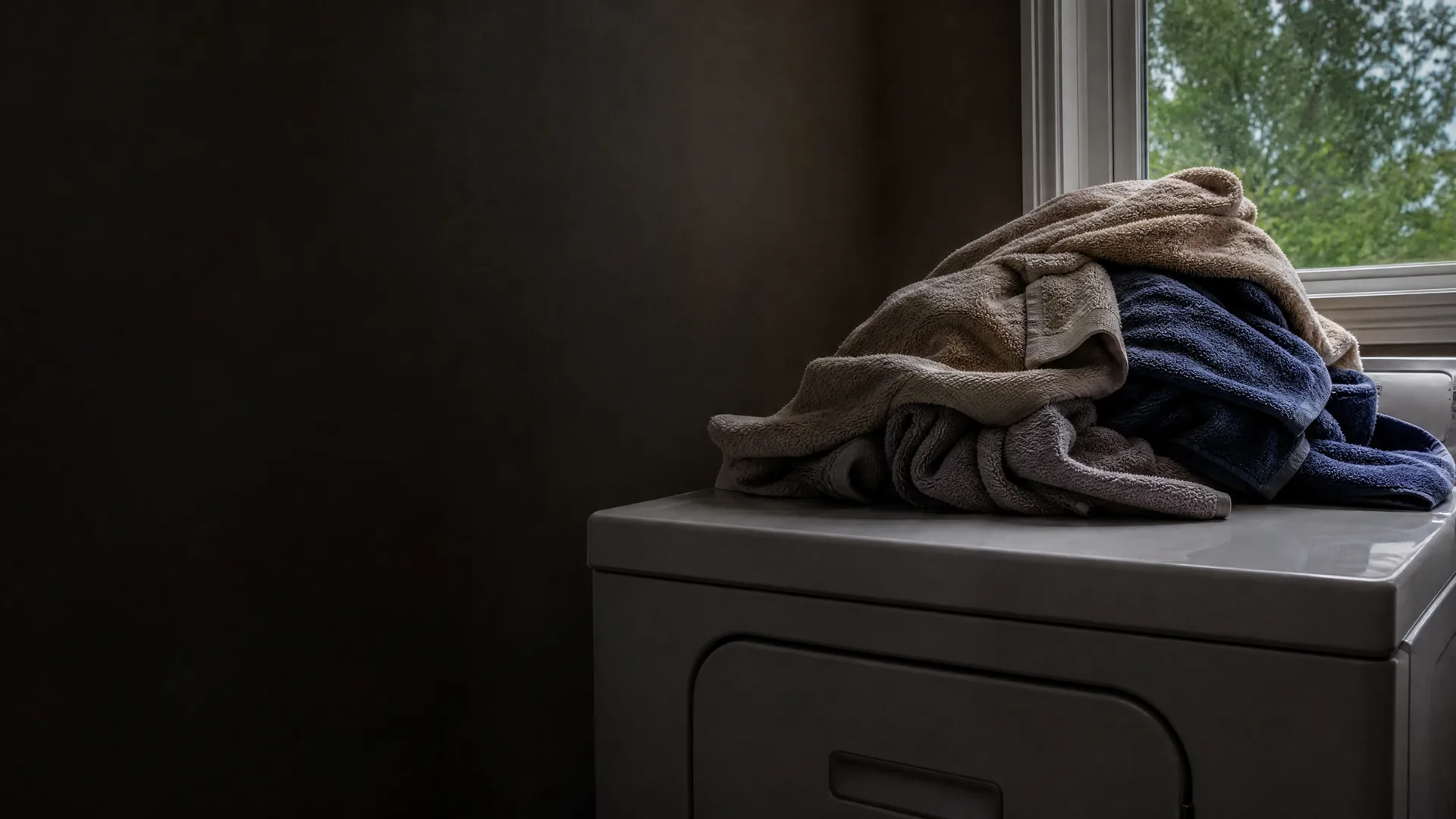
It's almost eight on a Tuesday and you're still in the laundry room. The second cycle just ended and the towels on top of the dryer are still heavy and damp when you press a hand into them. Outside it's already gone dark and cold, the kind of Colorado Springs evening where you'd rather be anywhere else in the house. The air in the room is warm and a little stale. You load the same towels back in, press start again, and head back to whatever you were doing before this took over your night.

Every load that needs a second or third run is more time standing in the laundry room, more heat pushed into the house in July, more strain on a dryer that's working harder than it should. Towels and sheets pile up because nothing comes out fully dry on the first try, and the basket never seems to empty out. That's the part you feel right away.
The part you don't see is the vent itself, packed tighter every week this keeps happening. A contractor who works on vents in El Paso County homes can look at the full run, from the drum to the outside cap, and tell you exactly where it's blocked and what it takes to clear it. Once you send the request, that's someone else's job to sort out, not yours.


A vent that's mostly clear but starting to narrow still lets most of the air through. Drying times creep up slowly, maybe five or ten minutes more than a few months back. The dryer runs about like it always has otherwise, no scorched smell, no hot panel. This is the point where a vent brush kit or a cleaning catches the problem before it costs you anything but a little extra time.

Leave a narrowing vent alone and the lint keeps catching on the same ridges and bends, a little more with every load. The duct gets tighter, the dryer works harder to push air through it, and drying times stretch from minutes to full extra cycles. Once it gets to packed lint sitting against the heating element, the fix is the same cleaning job, just overdue, and the dryer has been running hot the whole time you waited.
A dryer that needs two or three cycles to finish a load is telling you the vent is choked with lint, and that doesn't fix itself. Clearing that run restores what you had when the house was new: one cycle, dry towels, a dryer that shuts off instead of running hot and long. Nothing about the fix is complicated, but it isn't a job you can see the inside of from the laundry room, so someone has to get into the duct itself and pull the lint out end to end. Once you send the form, you're done hunting for who does this kind of work. A contractor who handles vent cleaning in El Paso County gets your request and reaches out to you. You're not left comparing names or making calls. That part of it is off your plate, and the next load you run through that dryer can be the one that finally comes out dry the first time.

Matched to your dryer vent job