Vent clear
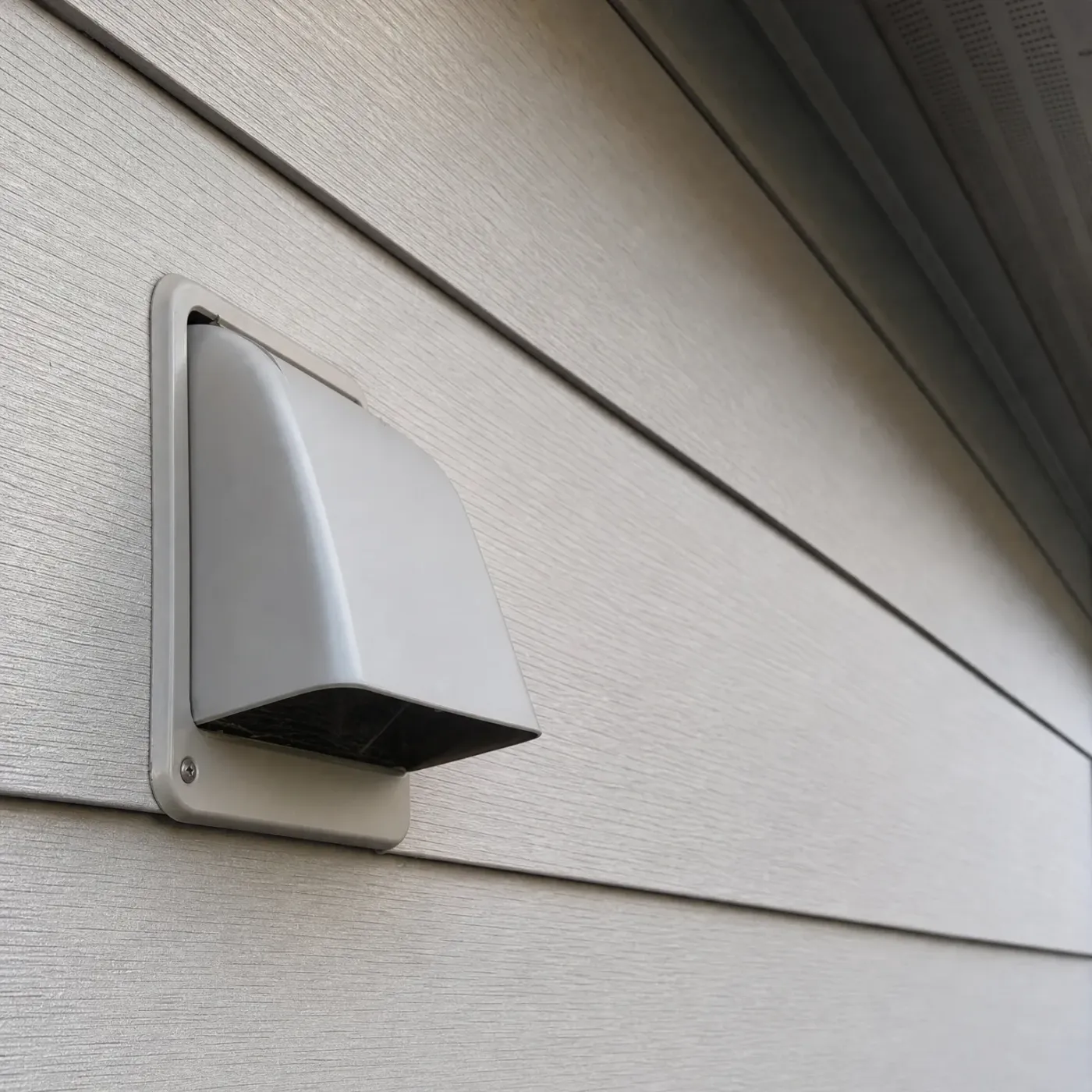
The flap sits loose and swings open when the dryer runs, pushed by the air coming through. The screen stays clean because the air coming through doesn't carry lint. One cycle gets clothes dry and the dryer shuts off on schedule.

You run a load, come back, and the clothes are still damp. So you run it again. It's late, you've got a dozen other things to do tonight, and the dryer is just sitting there humming without finishing the job. In a dry climate like this, people assume the dryer should have it easy. When it doesn't, something in the system is working against it.
Your dryer doesn't dry clothes by itself. It pulls in air, heats it, tumbles it through the clothes, and pushes the wet air back outside through the vent. If that vent is packed with lint, the wet air has nowhere to go. It backs up into the drum, the clothes reabsorb some of the moisture, and the cycle ends with everything still damp. Colorado's dry summer air doesn't change this. Dry outside air helps once it reaches the drum, but it never gets there if the vent is blocked. A duct cleaning clears that path so the air your dryer heats actually leaves the house instead of circulating back through your clothes.

Low humidity here means clothes come out of the washer and start drying the moment the dryer kicks on, so a slow dryer doesn't always feel slow. The real sign is the extra cycle, not the texture of the air in the room. Lint built up in the vent run holds moisture in the drum long after a clear vent would have pushed it outside, and a gas dryer working against that restriction just runs longer to get the same result.

Most of it packs into the vent run behind the wall, not the trap you clean after every load. That trap catches a fraction of what comes off a load of towels or sheets. The rest rides the airflow until the duct bends or narrows, then settles. A long run to an exterior hood, common in a lot of Colorado houses, gives lint more places to catch before it ever reaches outside air.

A second cycle means the dryer runs hot for longer than it should, and that heat and moisture has to go somewhere. In a gas home, that's extra gas on top of the extra power, every time it happens. Run two cycles a few nights a week and it adds up on the bill in a way one slow load never would.
There's a safety side too. Lint builds up in the vent run over time, and a duct that's mostly blocked makes the dryer work harder and run hotter to push air through what's left. You shouldn't have to track down who handles vent cleaning, get three people out to look at a duct behind your dryer, and sort through quotes for a job this size. One call to someone local who clears these vents regularly and knows what a Colorado vent run tends to collect gets it checked without the runaround.

The flap sits loose and swings open when the dryer runs, pushed by the air coming through. The screen stays clean because the air coming through doesn't carry lint. One cycle gets clothes dry and the dryer shuts off on schedule.

Lint has packed into the screen until the grid is more lint than opening. The flap barely moves because there's nowhere for the air to go. The dryer runs hot, runs long, and still hands back a damp load.


Your request goes to one pro, not a list of companies.
You're not committing to anything by asking.
A dryer dries by moving heated air through wet clothes and pushing that air, now carrying the moisture, out through the vent. Anything that slows the air down makes the dryer work longer to get the same load dry. The trap screen catches the big lint, but a lot of lint rides past it and sticks to the inside of the duct instead, a little more with every load. As that buildup narrows the path, the dryer's thermostat reads the heat backing up inside the drum and starts cycling the burner or element on and off more than it's supposed to, trying to hold the right temperature with less air moving through. The moisture sensor still needs its cutoff point reached before it lets the dryer stop, so a blocked vent just means more time and more heat to get there. Where the duct runs matters too. Rigid metal pipe keeps its shape and gives lint less to grab onto; the foil or vinyl accordion hose still found in some laundry rooms has ridges that catch lint at every fold. Every extra foot of duct, and every elbow or turn it takes to reach outside, adds more surface for lint to collect on before the air ever makes it to the exterior vent hood. That hood has its own flap, and it's usually the last place airflow gets choked off, often well after the duct itself is already restricted.



The hood sits flush against the siding and the flap hangs loose. When the dryer runs, air pushes it open and it swings free. No lint catches on the screen or builds up around the opening.

Lint has packed into the hood until the flap can't close. It sits stuck open, caked with buildup, even when the dryer isn't running. Air that should be pushing straight out is fighting its way through what's left of the opening.




At 15.69 cents per kilowatt-hour, every extra cycle a clogged vent forces costs you twice: once in power to run the drum and heating element again, and again in the gas burner working to catch up. That second run adds up faster than it should.
EIA-861 2025 statewide residential average
Lint builds up along the inside walls of the vent hose
Airflow drops and warm, wet air can't escape outside
The thermostat senses the heat and cycles the burner more
The drum keeps turning after clothes are already dry
A dryer that needs two cycles to finish a load has a blocked vent, and clearing that vent is what brings it back to one. That's the whole answer. You don't need to buy a new dryer or change how you do laundry. You need the lint out of that hose so the heat and moisture it's supposed to carry outside actually gets there. A local contractor who cleans vents on gas dryers all over Colorado has seen this exact pattern more times than he can count, and he knows which vent runs and hood styles clog fastest in homes around here. You'll hear from one contractor, not a handful of companies competing for your evening, so there's no sorting through callbacks or explaining the problem more than once. Instead of spending another night running a load twice, you hand off the part that's just logistics, finding someone qualified and local, and get back the evenings you'd rather spend on anything else.
The pro who reaches out is licensed in Colorado.
It costs nothing to send, and you don't have to hire anyone.