A gray high-efficiency furnace with two white PVC vent pipes stands beside galvanized sheet-metal ductwork in a dim basement with exposed joists and a concrete floor.

It's off your list after this

Does closing vents save heat in a Colorado home

Closing vents in unused rooms seems like it should cut your heating bill. With a Colorado winter and a gas furnace running hard, it's a fair question. The answer depends on your ductwork and your furnace itself, and getting it wrong can cost you more than the heat you were trying to save. Here's what actually happens when you shut a vent, and what a furnace tune-up checks regardless.

I'm done searching

Closing a vent or two usually does not lower your heating bill, and on most systems it can push costs the other way. Your furnace and its blower are sized to move a set amount of air through the whole duct system. Shut several vents and that air has nowhere to go, so pressure builds inside the ducts. Some of it leaks out through duct joints in the attic or crawlspace before it ever reaches a living room, which is air you paid to heat and lost anyway. The blower also has to work harder against that pressure, and on older furnaces that strain can crack a heat exchanger over time. If a room runs cold, the better fix is usually a duct that needs sealing or balancing, not a vent that needs closing. A furnace tune-up is where a contractor can check airflow and balance across the whole system, and catch a duct problem before it turns into a bigger repair.

A gray residential furnace with two panel doors stands against a plain light wall in a concrete-floored room, connected to metal ductwork and white and copper pipes.

What closed vents do to pressure

A furnace blower is built to push a certain volume of air against a certain resistance. Close off several rooms and the air still has to go somewhere, so pressure builds inside the ducts. That pressure finds the weak points: a seam in the return, a loose joint under the house, a gap where a duct meets the furnace cabinet. Air you paid to heat leaks out there instead of reaching a room, which is the opposite of the savings closing the vent was supposed to buy.

A gray high-efficiency furnace with white PVC venting pipes stands against a plain wall in a basement, connected to sheet-metal ductwork on a concrete floor.

The part that usually pays for it

The coil inside your furnace is built to shed heat into a steady flow of air. Cut that flow by shutting vents and the coil runs hotter than it should, cycling the furnace on and off more than it needs to. Over a Colorado winter that adds wear to the igniter and the blower motor, the parts a technician checks first on a maintenance visit. A furnace that short-cycles all winter is doing more work for the same square footage heated.

Close the Vent or Leave It Open

Close the vent

  • Fine for a room with its own baseboard heat or a space heater, where the furnace isn't the only source warming it.
  • Fine short term in a room you won't use for a day or two, like a guest room before someone visits.
  • Works if you also close the door and the room shares no return duct with the rest of the house.
  • Still worth checking the register isn't blocked by furniture, since a closed vent under a couch isn't doing anything extra.
  • Makes more sense on a system with a variable speed blower that can adjust to the change in airflow, if yours has one.

Leave it open

  • Right call on a standard single speed furnace, which is most of what runs in older Colorado homes.
  • Keeps the static pressure in your ducts at the level the system was designed around.
  • Protects the heat exchanger, since restricted airflow makes it run hotter than it should.
  • Avoids the whistling or rattling at registers that shows up when ducts are working against too much resistance.
  • Keeps the near room from pulling heat through the wall from the closed-off one, which can leave both rooms colder than before.
A furnace in a dim basement with a dirty pleated air filter partially pulled out of its slot, beside a water heater and concrete walls and floor.

You're down in the basement on an October afternoon, filter half pulled from the furnace, and it's grey with dust clear through. You'd closed off the spare room and your son's old room back in September, figured you'd save some gas before the cold really set in. Now you're noticing the air coming off the supply vents feels thinner than it should, and the furnace is running longer to do the same job. You slide the filter back out the rest of the way and hold it up to the bulb overhead. It's been a few months since you last changed it, and with those vents shut, it looks like it's done more work than it should have.

Stop chasing a furnace pro

Explain the job once and skip repeating it on every call.

It costs nothing to send, and you don't have to hire anyone.

When closing a vent makes sense

If a room has its own baseboard heat or a space heater, closing the furnace vent there is fine. The furnace isn't the only thing warming it, so there's no pressure problem to create. Same with a room you're shutting off for just a day or two, like before a guest arrives. Closing a few vents across a balanced system, where a contractor has measured airflow and planned for it, is also different from closing whatever rooms you don't use. That kind of change is deliberate, not a guess at saving gas.


When it works against you

Your furnace and blower are built to move air through every vent in the house. Close several and that air backs up into the ducts instead of the room. Higher pressure can push warm air out through loose joints before it ever reaches a register, and it puts more strain on the blower itself. Over a winter that strain shows up as wear nobody budgeted for, not lower gas bills. If you're closing vents because a few rooms feel too warm, the duct system is probably out of balance, and that's a different problem to fix.

A man in a gray sweater reclines in a brown leather armchair with his eyes closed, beside a wooden side table holding a mug, a folded newspaper and a potted plant, with a bookshelf and sunlit window behind him.
A man with greying hair and a dark sweater leans back on an armchair with his eyes closed and a slight smile, in a living room with a bookshelf, plant, folded newspaper and mug on a wooden table.
A man in a gray fleece jacket sits reclined in a leather chair with his eyes closed, in a room with bookshelves, a table lamp, a window, and a desk holding a folded newspaper and a dark mug.
A bearded man in a gray fleece pullover sits with eyes closed in a brown leather armchair in a living room, with a floor lamp, bookshelf, potted plants, a side table holding newspapers and a dark mug, and a bright window behind him.
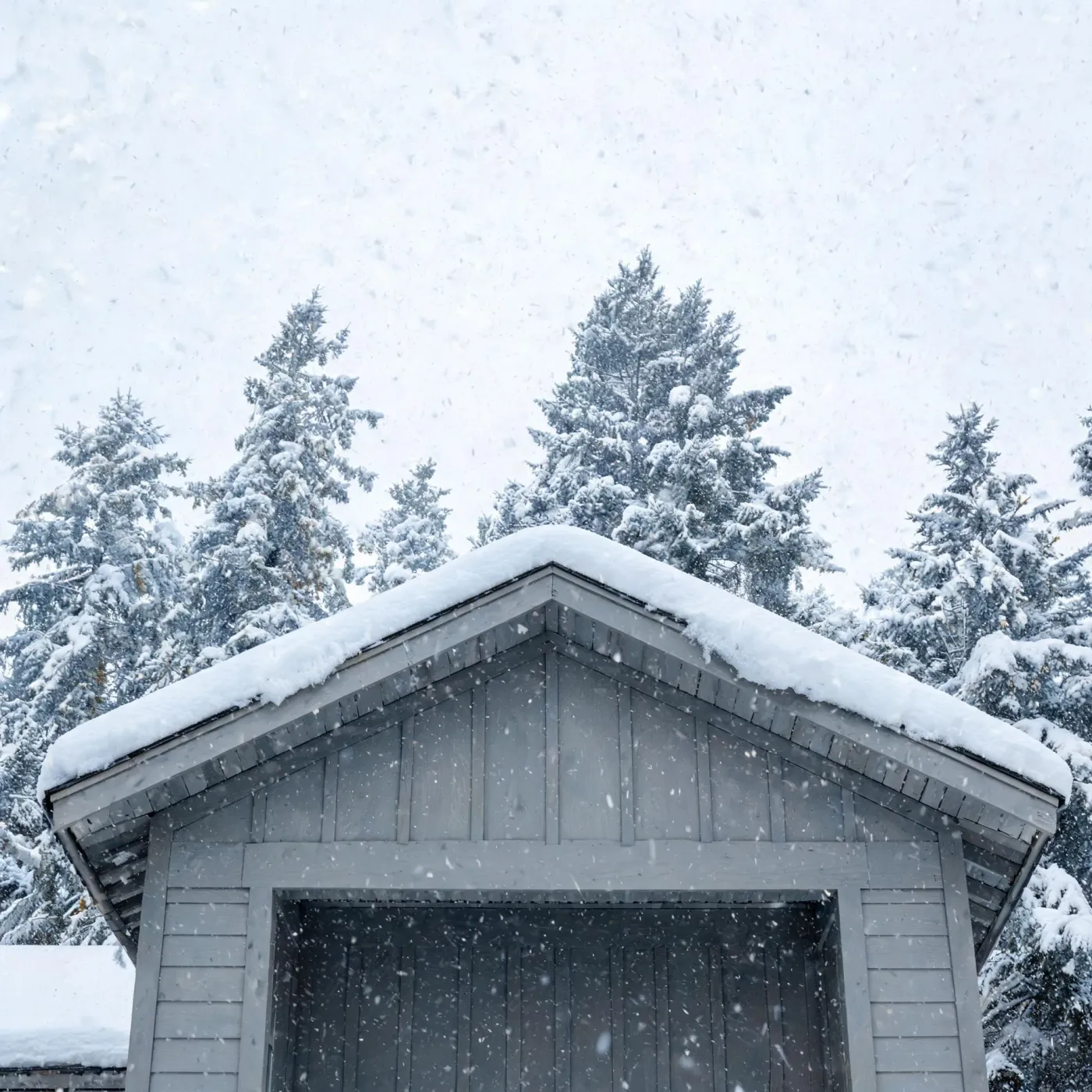
Gable end of a gray wood-clad building with a snow-covered roof and open doorway, backed by snow-laden conifers during falling snow.

Statewide, winter nights average 16°F. On a night that cold, your furnace isn't cycling on and off anymore, it's running close to steady to keep up. That's exactly the kind of run time where closed vents cause the most trouble, because the blower is pushing air for hours at a stretch, not just a few minutes here and there. If a few registers are shut when it's working that hard, the pressure it builds has more time to find a loose duct joint or a gap at the plenum and push warm air into the attic or crawl space instead of your rooms. You'd notice it as a furnace that runs long and a house that still feels uneven.

Source: NOAA

NOAA nClimDiv 1991-2020 county normals weighted by homes

A gas furnace with a louvered upper panel stands on a concrete pad in a basement, flanked by sheet-metal ductwork, white PVC and metal pipes, and insulated columns.
Before you get your furnace maintenance
A dark high-efficiency furnace on a concrete pad in a basement, connected to galvanized ductwork, white PVC vent pipes, and copper and black gas piping, with concrete walls and wood framing nearby.
After you get your furnace maintenance
A beige high-efficiency furnace with white PVC vent pipes stands beside galvanized sheet-metal ductwork in a basement with a concrete floor, exposed wood studs, and metal piping along the wall.

Furnace running as designed

This is what a balanced system looks like. Air moves through the plenum and out to every room at the pressure the blower was built for. Nothing is forcing its way through a seam it shouldn't, and the furnace isn't working harder than it has to.

An older beige furnace with a louvered vent panel stands on a concrete basement floor beside galvanized sheet-metal ductwork, a metal flue pipe and vertical pipes along a concrete wall.

Furnace fighting itself

Close enough vents and this is where the strain shows up. The blower keeps pushing the same air into a smaller space, and that pressure looks for a way out through the cabinet, the flue connection, wherever it's weakest. A tech checking this furnace would catch it before it got worse.

A closed silver laptop and a glazed ceramic mug on a wooden table, with a blurred kitchen counter, potted plant, cutting board and window in the background.

So, does closing vents save heat?

Not on most systems. Your furnace was built to push air through every vent in the house, and closing several of them just builds pressure somewhere in that ductwork. Leave your vents open and let a thermostat setback or a programmable schedule do the work of lowering your bill instead.

If you're not sure whether your ductwork can take a few closed vents, or you want someone to check the furnace itself before winter really sets in, that's a question worth having answered before January, not during it. Skip the searching, the calls to three different companies, and repeating the same story about your furnace each time. Send one form and let a licensed contractor in your area take it from there.

A living room corner with a beige sofa and cushion, a round wooden coffee table holding a pale ceramic vase of eucalyptus stems and a wooden bowl, and a curtained window with a potted plant above a latticed radiator cover in the background.
A gray-haired man with a beard in a blue button-placket shirt reclines on a couch with his eyes closed, beside a sunlit window with a green plant.
A woman in a cream knit sweater sits in an armchair with her eyes closed near a window showing yellow autumn foliage, with a mug on a round wooden side table beside her.

Furnace Maintenance

Send one request and you're done looking

Skip searching for a furnace pro and answer a few questions instead.

A black-framed smartphone standing upright against a plain white background, its screen filled with solid green.
Tune-up, service, or cleaningFurnace or heatingColorado
Step 1 of 2

What ZIP code is the job in?