
HVAC Installation in Woodland Park, CO
Tell us about the house, and a licensed contractor who covers Teller County will get in touch.
Tell us about the job
It takes about a minute.

Woodland Park asks a lot of a heating system
Winter nights here average 10°F from December through February, and homes in Woodland Park need heat from August through June. That is eleven months a year the system has to work. Summer afternoons average 73°F, so cooling is rarely the concern a new system has to solve for. The load falls almost entirely on the furnace.
Most homes here heat with gas. A furnace built for this altitude and this much cold has to hold up to a long, hard season, and it has to meet the federal efficiency minimum for gas furnaces. Winters here also bring real weather. Teller County saw 121 winter storms and 99 damaging wind events over the last ten years, and 13% of Colorado households lost power for at least 24 hours in 2024. A new system installed here has to be sized and set up for that kind of season, not a mild one.
- 11 months
- August through June, your system heats
- 10°F
- the average winter night it heats against
- 73°F
- the average summer afternoon it cools against
- When should I replace my HVAC system?
- Replace it when repairs start happening every year or the furnace struggles to keep up on the coldest nights. A furnace that needs frequent service calls is telling you the next breakdown could come at the worst time. In Woodland Park that matters more than most places, since the furnace runs from August through June and winter nights average 10°F. If it can't hold up in that cold, plan the replacement rather than wait for it to fail.
- Should I replace my furnace and air conditioner at the same time?
- Homes here don't need cooling, so this is really a question about the furnace alone. Most heating in Woodland Park comes from gas, and the furnace does nearly all the work through the long stretch from August to June. If there's no air conditioner tied to the system, or the AC is separate and still working fine, there's no reason to touch it. A contractor can look at the whole setup and tell you if anything beyond the furnace needs attention.
- What happens during an HVAC installation?
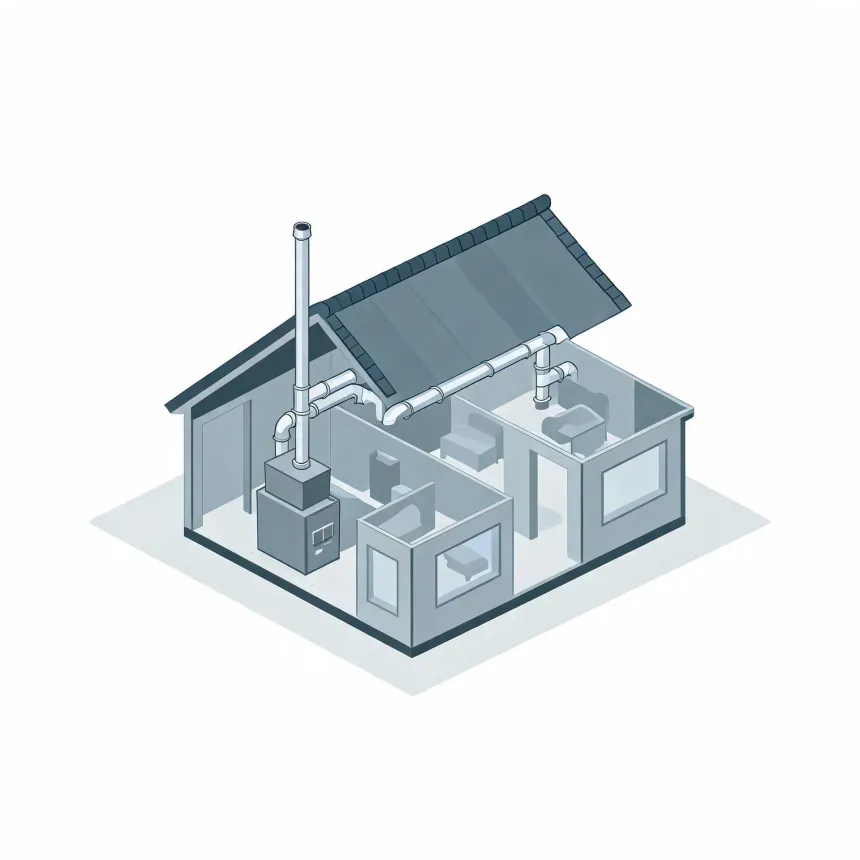
- A contractor removes the old equipment, sets the new furnace or system in place, and connects it to the existing ducts, gas line, venting, and electrical. They check that the ductwork can handle the new equipment's airflow and adjust or seal it where needed. Once it's running, they test the ignition, the airflow at the vents, and the thermostat to make sure everything works together. The exact steps depend on what's being replaced and how the current setup is built, so a contractor will walk through the specifics for that house.