
HVAC Installation in Lakewood, CO
A new system here will heat from September through May and cool from July through July every year. Tell us about the house, and a licensed contractor who covers Jefferson County will get in touch.
Tell us about the job
It takes about a minute.

Nine months of heat, one month of real cooling
Your furnace is the workhorse here. Lakewood needs heat from September through May, and on winter nights averaging 18°F it has to keep firing for months without a break. That is a long stretch for an old unit to carry, and it is why a new furnace needs to be sized for real cold, not just a mild fall evening.
Cooling only matters in July, with afternoons averaging 80°F, so a new system here earns its keep mostly on the heating side. Storms are part of the picture too. The area has logged 113 winter storms and 114 damaging wind events over the past ten years, and statewide, 13% of households lost power for at least a day in 2024. Worth asking what happens to your heat if the power goes out.
- 9 months
- September through May, your system heats
- 1 months
- July through July, it cools
- 18°F
- the average winter night it heats against
- 80°F
- the average summer afternoon it cools against
NOAA nClimDiv, 1991–2020 normals
- When should I replace my HVAC system?
- Once your furnace or air conditioner is old and starting to need repeats, replacement is usually the better call than another repair. An older furnace failing here is a real problem, since winter nights average 18°F from December through February. If a contractor keeps finding new things wrong each visit, that pattern matters more than any single repair bill.
- Should I replace my furnace and air conditioner at the same time?
- If both are old, yes, it makes sense to do them together. Homes here need heat from September through May, so the furnace carries most of the load, but the air conditioner still has to work when summer afternoons reach 80°F. A furnace and air conditioner installed years apart may not match well, and a contractor can look at your current pair and tell you whether a joint replacement makes sense.
- What happens during an HVAC installation?
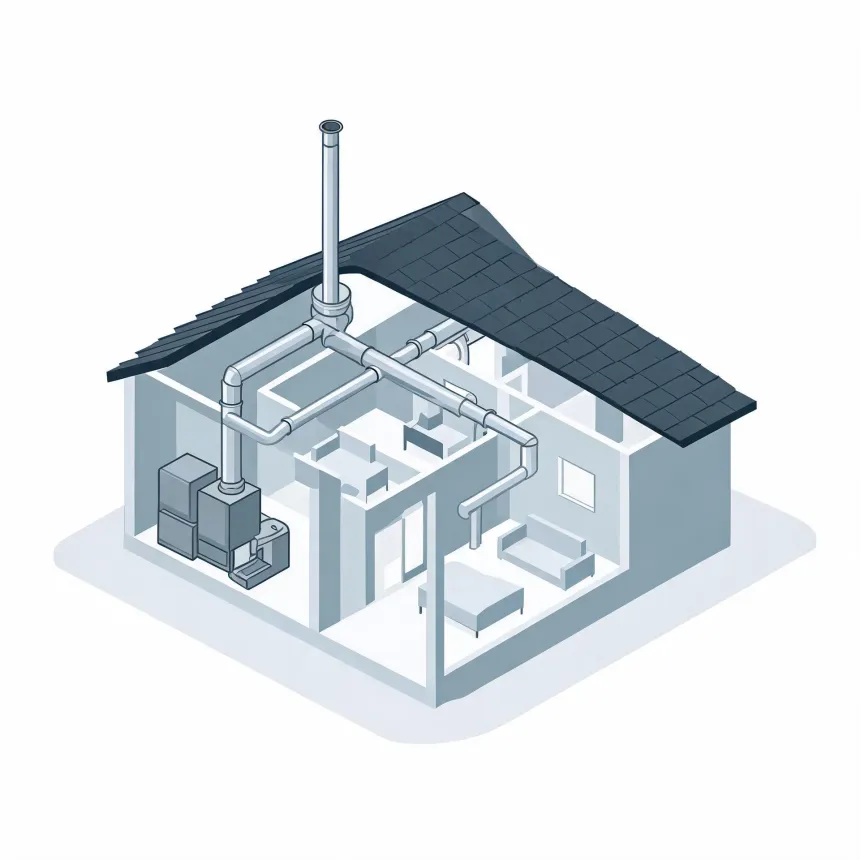
- A contractor removes the old furnace and air conditioner, sets the new units in place, and connects them to your ductwork, gas line, electrical, and condensate drain. They will also check the ducts themselves, since a new system connected to old, leaky ductwork will not perform the way it should. Once everything is connected, they run the system through a full heating and cooling cycle before calling the job done.