
Furnace Installation in Durango, CO
A new furnace here will run from September through June every year. Tell us about the house, and a licensed contractor who covers La Plata County will get in touch.
Tell us about the job
It takes about a minute.
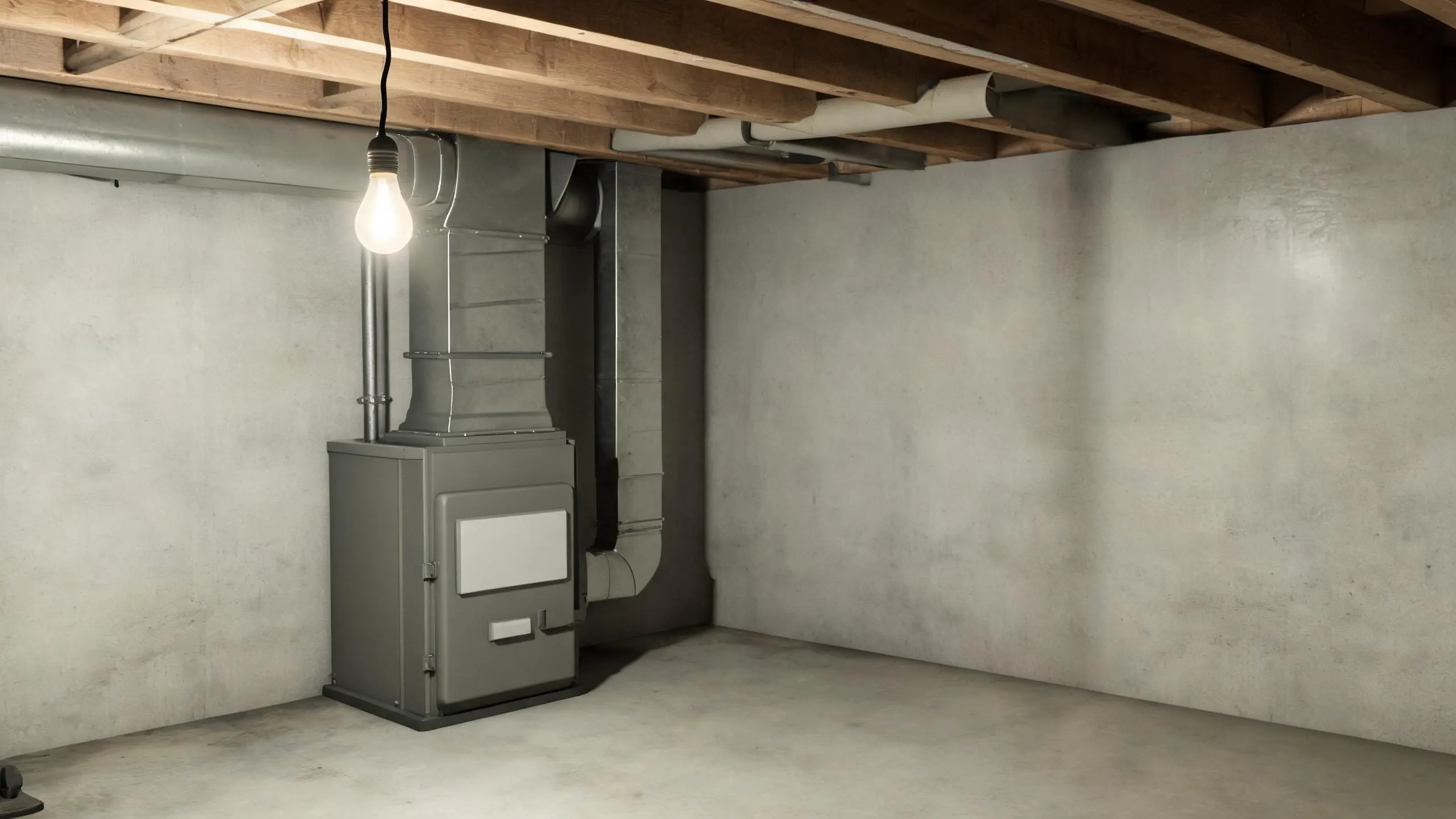
Ten months of heat a year in La Plata County
Winter nights here average 16°F from December through February, and homes need heat running from September through June. That is ten months a year the furnace has to work, not just the deep winter stretch. A new furnace here needs to hold up to that kind of use without a long summer to rest.
Any non-weatherized gas furnace built since November 2015 has to meet 80.0 percent AFUE at minimum, so that is the floor to expect on a new install. Power matters too. The county has seen 128 winter storms and 30 damaging wind events over the past ten years, and 13 percent of Colorado households went at least a day without power in 2024. A furnace that depends on electricity to run its blower and controls will not help much during an outage.
- 10 months
- September through June, your furnace is on duty
- 16°F
- the average winter night it heats against
- 80% AFUE
- the federal minimum any new unit must meet
NOAA nClimDiv, 1991–2020 normals

A high-efficiency gas furnace would save about $100 a year to run in La Plata County compared with a gas furnace.
Estimates for a typical La Plata County home, from EIA household energy data, Colorado fuel prices and NOAA climate normals. Your home will differ.
- What size furnace does my house need?
- The right size depends on your square footage, your insulation, your windows, and your ceiling height, so a contractor needs to run a load calculation to get it right. Guessing at this or going by the size of the old unit often gets it wrong. Too big and it short-cycles, heating the house in bursts and wearing out faster. Too small and it runs almost constantly trying to keep up, and with winter lows here averaging 16°F, an undersized furnace will struggle on the coldest nights.
- How do I know it's time to replace my furnace?
- Watch for rising repair frequency, uneven heat between rooms, or a furnace that runs longer than it used to just to hold the same temperature. Age matters too, and an older furnace works harder than it did when new. Here the heat runs September through June, 10 months a year, so that wear adds up faster than in places with a short winter. If a contractor is telling you a repair costs a real fraction of a new unit, replacement is usually the better call.
- Is a high-efficiency furnace worth it?
- It depends on how much you run the furnace and what you're comparing it to. Any non-weatherized gas furnace made since November 2015 already has to reach 80.0 percent AFUE at minimum, so the question is really whether going higher than that makes sense for your house. With heat needed 10 months of the year here, a more efficient furnace burns less gas over a season this long, which matters more here than somewhere with a short winter. A contractor can walk you through the actual models and what each one would mean for your specific house.