
Furnace Installation in Denver, CO
A new furnace here will run from October through May every year. Tell us about the house, and a licensed contractor who covers Denver County will get in touch.
Tell us about the job
It takes about a minute.
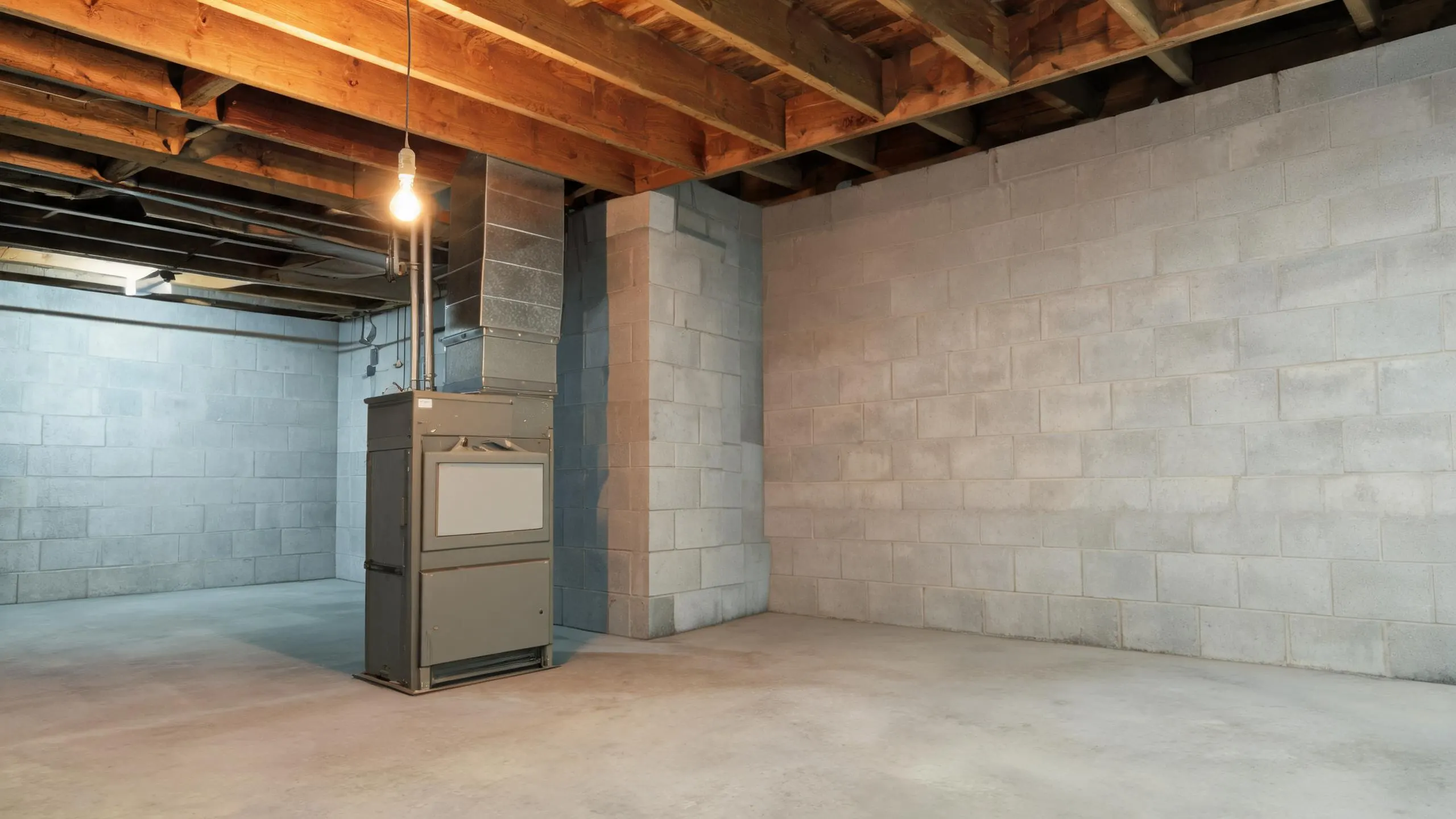
Denver asks eight months of a furnace
From October through May, your furnace is what keeps the house livable. Winter nights average 19°F, and it has to recover from that night after night for eight months straight.
Most homes here run on gas, and any new furnace has to meet the federal minimum of 80 percent AFUE. Power matters too. Colorado saw 13 percent of households lose power for at least a day in 2024, and the last ten years brought 32 winter storms and 64 damaging wind events in this state. A furnace that starts back up on its own when the power returns is worth asking about before it goes in.
- 8 months
- October through May, your furnace is on duty
- 19°F
- the average winter night it heats against
- 61%
- of homes here heat with gas, so most furnaces here burn gas
- 80% AFUE
- the federal minimum any new unit must meet
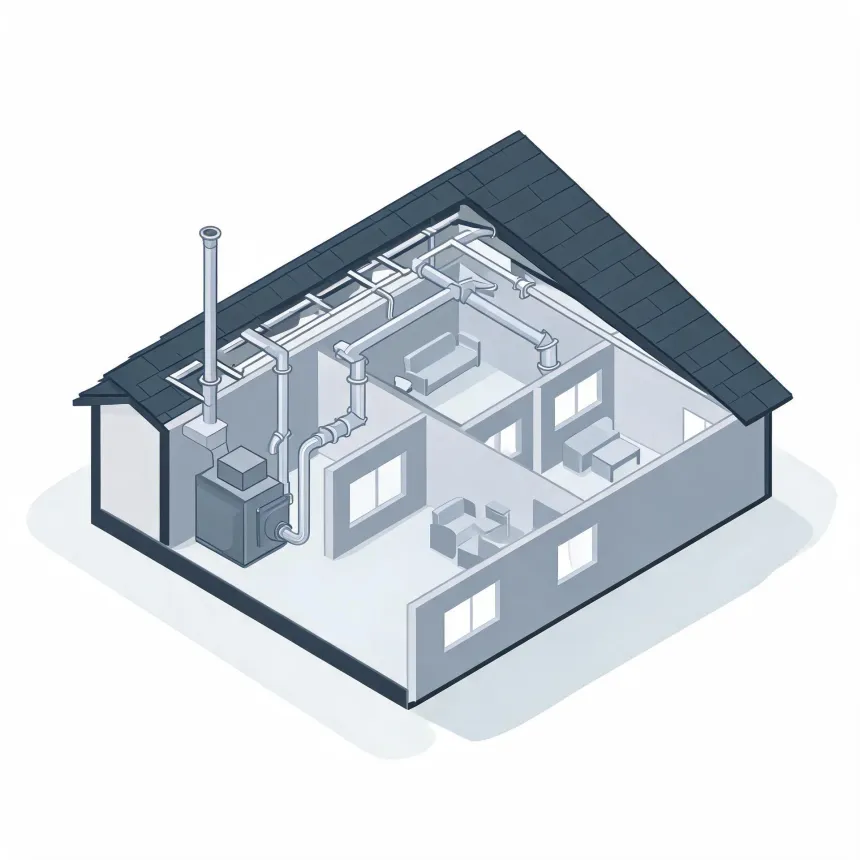
NOAA nClimDiv, 1991–2020 normals

A high-efficiency gas furnace would save about $80 a year to run in Denver County compared with a gas furnace.
Estimates for a typical Denver County home, from EIA household energy data, Colorado fuel prices and NOAA climate normals. Your home will differ.
- What size furnace does my house need?
- The right size depends on your square footage, your insulation, your ceiling height, and how many windows you have facing north. A contractor works this out with a load calculation, not a chart that just matches tonnage to square feet. Getting it wrong in either direction costs you. Too small and it runs constantly through the cold months here without keeping up. Too large and it short cycles, wearing out parts faster and leaving rooms uneven. With eight months of heating season in Denver, this is worth getting measured properly rather than guessed.
- How do I know it's time to replace my furnace?
- Watch for a furnace that cycles on and off more than it used to, rooms that used to heat evenly and now don't, or a gas bill climbing while the weather stays the same. An older furnace works harder to do what it used to do easily, and that shows up in these same signs. If you're calling for repairs more than once a season, or a technician has flagged a cracked heat exchanger, replacement is the safer call. With winter lows here averaging 19°F and heat needed from October through May, a furnace that's struggling has a lot of months left to fail in.
- Is a high-efficiency furnace worth it?
- It depends on how many months your furnace runs and what you're paying to run it now. Every non-weatherized gas furnace sold since November 2015 has to reach at least 80 percent AFUE, so the real question is whether to go higher than that baseline. In a place like Denver, where homes need heat eight months of the year, a furnace spends most of its life running, so a higher AFUE rating has more months to make a difference. A contractor can walk you through the actual models and what each one would mean for your house.