




Birds nesting in a dryer vent in Aurora, CO

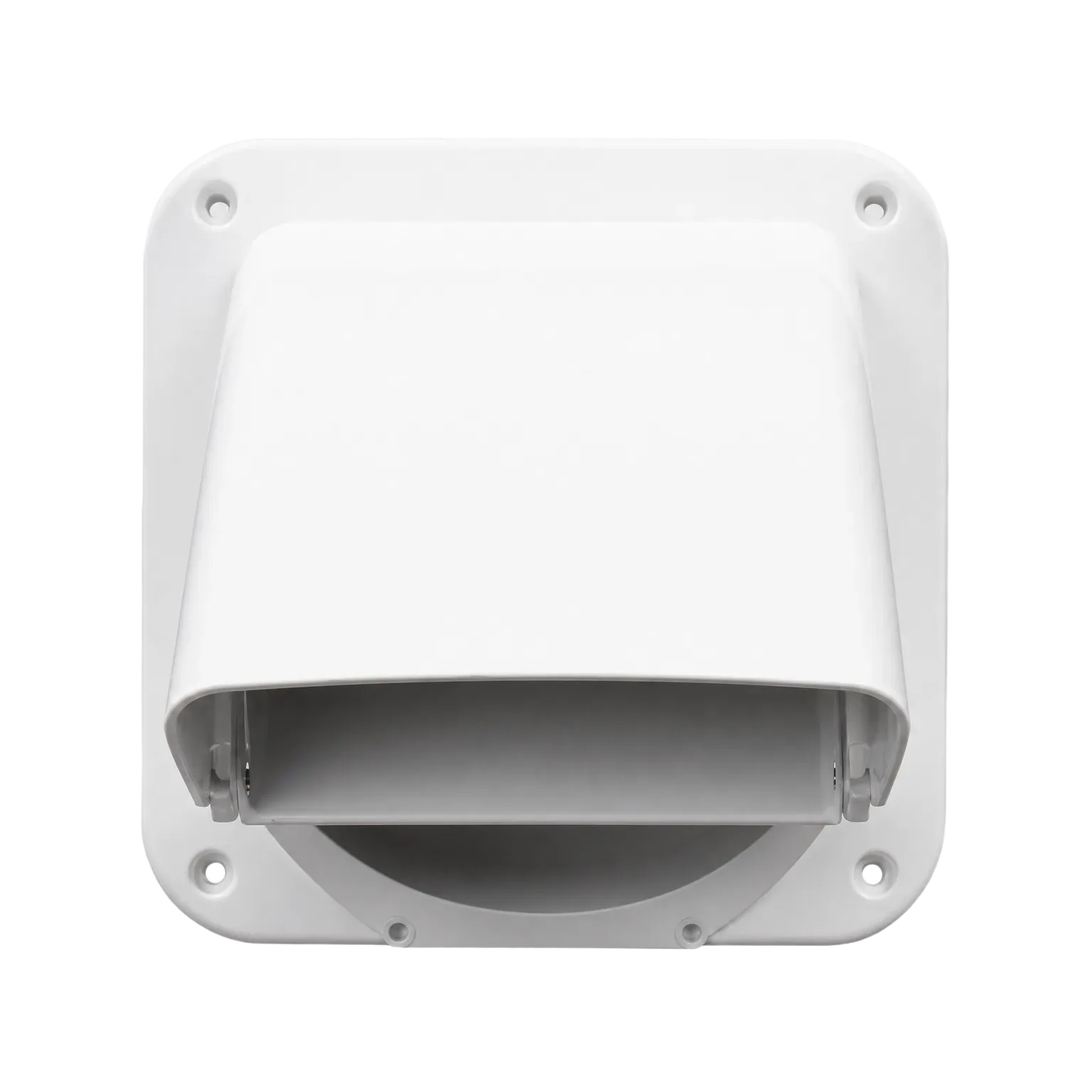
A white plastic wall vent with a square mounting flange, hooded cover, and round duct collar visible beneath, shown against a plain light gray background.
Get matched

Can birds nest in my dryer vent in Aurora, CO?

Birds build nests fast, and a dryer vent hood gives them a sheltered spot out of the wind, especially in spring when they're looking for places to raise young. If your dryer is taking longer to dry clothes or you've noticed the vent flap outside doesn't move when the dryer runs, it's worth checking whether something has moved in. Aurora's seasons push birds toward any opening that stays dry and still, and a vent fits that.

Yes, birds can and do nest in dryer vents

A dryer vent hood sits low on the wall, stays dry, and blocks wind, which makes it a good spot for a bird to build in, especially before the weather turns in spring. Once nesting material packs into the duct, the flap can't close all the way and the dryer can't push air out properly. Clothes take longer to dry, the dryer runs hotter than it should, and lint has nowhere to go but back into the duct. In Aurora, where winters are hard and homes run gas dryers through most of the year, a blocked vent also means warm moist air has nowhere to vent outside, which is worth catching before it becomes a bigger problem.

A pile of gray and blue towels sits on top of a white dryer in a dim room with a wall cabinet above and a window to the right.

You run a second load after dinner, and this time the towels come out of the dryer warm but not dry, heavy with damp in the folds. You stack them on top of the machine, figuring you'll run it again, and that's when you hear it. A rustling behind the wall, faint but steady, coming from where the vent line runs out toward the side of the house. It stops, then starts again. You stand there a second longer than you need to, listening, before you reach over and shut the dryer off for the night.

Why does bird nesting in the vent matter more for some Aurora houses than others?

  • 2.55 people per household on average

    With 2.55 people in the average household here, that dryer is likely running loads most days of the week, so a blocked vent gets noticed fast.

  • Half the homes here were built by 1986

    Half the homes in Arapahoe County were built in 1986 or earlier. An older vent run is more likely to have loose seams or gaps a bird can get into.

  • Power here costs 15.86 cents per kilowatt-hour

    Power here runs 15.86 cents per kilowatt-hour. A blocked vent makes the dryer run longer to finish each load, and that adds up on the bill.

ACS 2020-2024 · EIA-861 2025

An older man with gray hair and a beard, wearing a dark snow-dusted jacket and scarf, stands smiling in a warmly lit interior hallway with a lit table lamp, a vase of dried branches, and a framed picture in the background.
An older man in a dark snow-flecked overcoat and scarf stands smiling in a warmly lit home entryway, with a glass-paned door showing darkness outside and a lamp-lit room visible through a doorway behind him.
An older man with grey hair and a beard, wearing a dark coat dusted with snow, stands in a dimly lit entryway with a ceiling lamp, a side table with two shaded lamps, and a lit fireplace visible in a room beyond.
An older man with gray hair and a beard, wearing a dark coat dusted with snow, stands smiling in a doorway of a warmly lit home with a sofa, lamp and window visible behind him.

Clear the vent yourself

You can pull the dryer out, disconnect the duct, and check the hood from outside. If the nest is just inside the hood opening, a gloved hand or a shop vac hose reaches it. Some homeowners do this every spring before the birds finish building, since a nest with eggs or chicks in it is a different matter once it's occupied. It takes patience to get the duct fully clear rather than just pulling out what you can reach, and a flashlight helps you see whether the flap behind the hood still moves freely. If the duct run is long or has more than a couple of bends, feeling confident you got all of it gets harder.

Have it cleaned instead

A contractor who cleans dryer vents for a living brings a brush system built to reach the full length of the duct, not just the first few feet. That matters in a house where the dryer sits far from the outside wall, since lint and nest debris both collect at the bends you can't see from either end. The job also includes checking that the hood flap closes and the vent cap itself isn't damaged, since birds often return to a spot they've used before. Once the form on this page is sent, finding someone to handle it is off your plate. You'll hear from a contractor who takes it from there.

2.55 people per household on average

At 2.55 people, most houses here run a load most days, so a vent stuffed with nesting material shows up fast as longer dry times or a burnt smell. Fewer people in the house just means it takes a little longer to notice.

ACS 2020-2024

Nest just inside the hood

If you can see the nest from outside, at the hood opening, this is the easier case. A gloved hand or a shop vac hose often clears it without pulling the duct apart. Check that the hood flap still swings freely once the material is out, since a flap propped open by sticks is what let the birds in to begin with. Run the dryer a minute after and feel for airflow at the hood. If it's strong and steady, the line is clear. If it's weak, there's more material further back than you could reach.


Nest further back in the duct

If the hood looks clear but the dryer still runs long or air barely moves at the opening, the nest is sitting further down the duct where a gloved hand won't reach it. Pulling the dryer and disconnecting the duct at the back gets you access to check it section by section, but a nest packed with twigs and lining can be dense enough that pushing it the wrong way jams it tighter. A contractor who does this work has brushes built for the length of a vent run and can clear it without guessing at what's in there.

A woman wrapped in a thick textured blanket sits on a sofa with an open book on her lap, beside a lit lamp and bookshelf, with a frost-patterned window behind her.
An older woman with grey-blonde hair in an updo and a beige turtleneck sweater smiles while looking to the side in a warmly lit kitchen, with a round loaf of bread on the counter in front of her and a dark window showing snow outside.
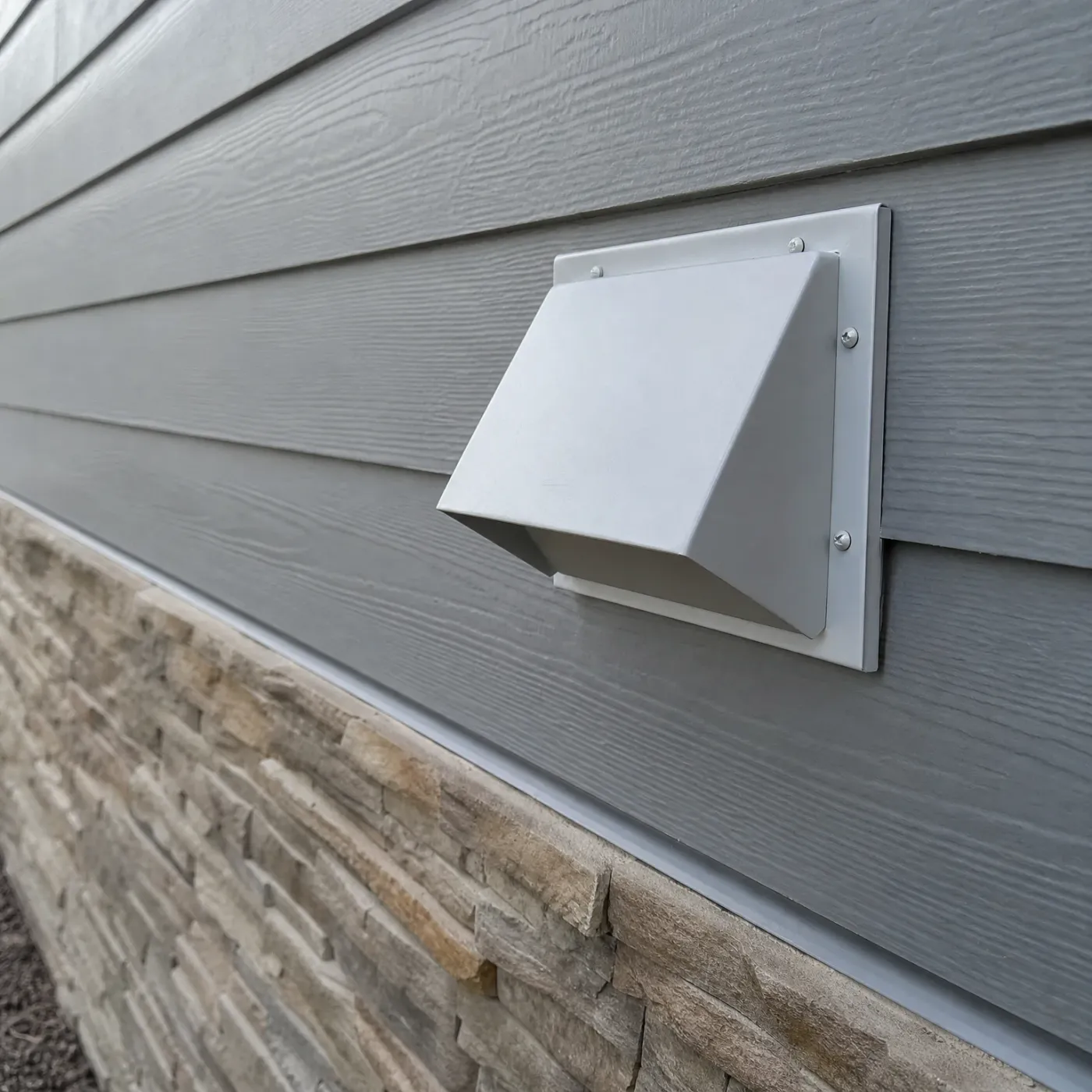
A white hooded exterior vent cover screwed to gray horizontal lap siding above a stacked stone veneer base.

Get matched with a dryer vent pro in Arapahoe County

After you send the request, you're done searching.

Your request goes to an Arapahoe County pro who takes dryer vent jobs.

Find a dryer vent pro

You're not committing to anything by asking.

Is that why your dryer smells hot lately?

You might notice the dryer running longer than it used to, or the top of the machine feels warmer than normal. Clothes come out smelling faintly scorched even though nothing burned. Outside, the vent hood flap sits stuck half open, or you catch a few strands of grass and feather poking out around the edges. Sometimes there's a chirping sound when the dryer kicks on, then quiet once it stops. A packed vent keeps hot, damp air from leaving the house the way it should, and that air has to go somewhere. Left alone, that's how a dryer fire starts, since lint and nesting material both catch easily once the vent can't clear the heat.

  1. A bird carries twigs into the vent hood opening

  2. Material packs tight against the hood flap

  3. The flap can no longer swing open

  4. Moist exhaust backs up inside the duct

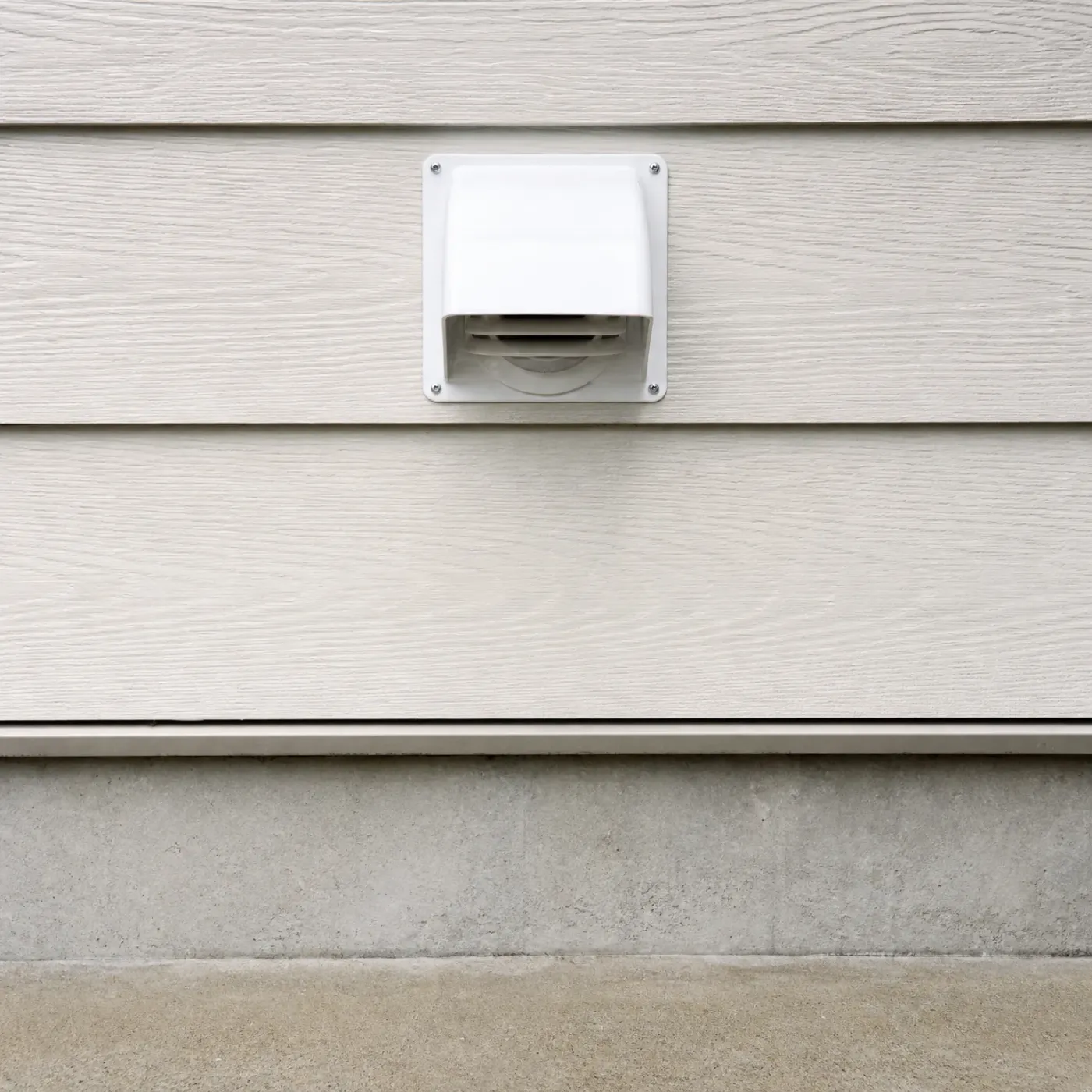
A white hooded dryer vent with a louvered flap mounted on beige horizontal lap siding above a concrete foundation wall.
A vent hood like this one opens and closes on its own each time the dryer runs, so nothing builds up behind it.
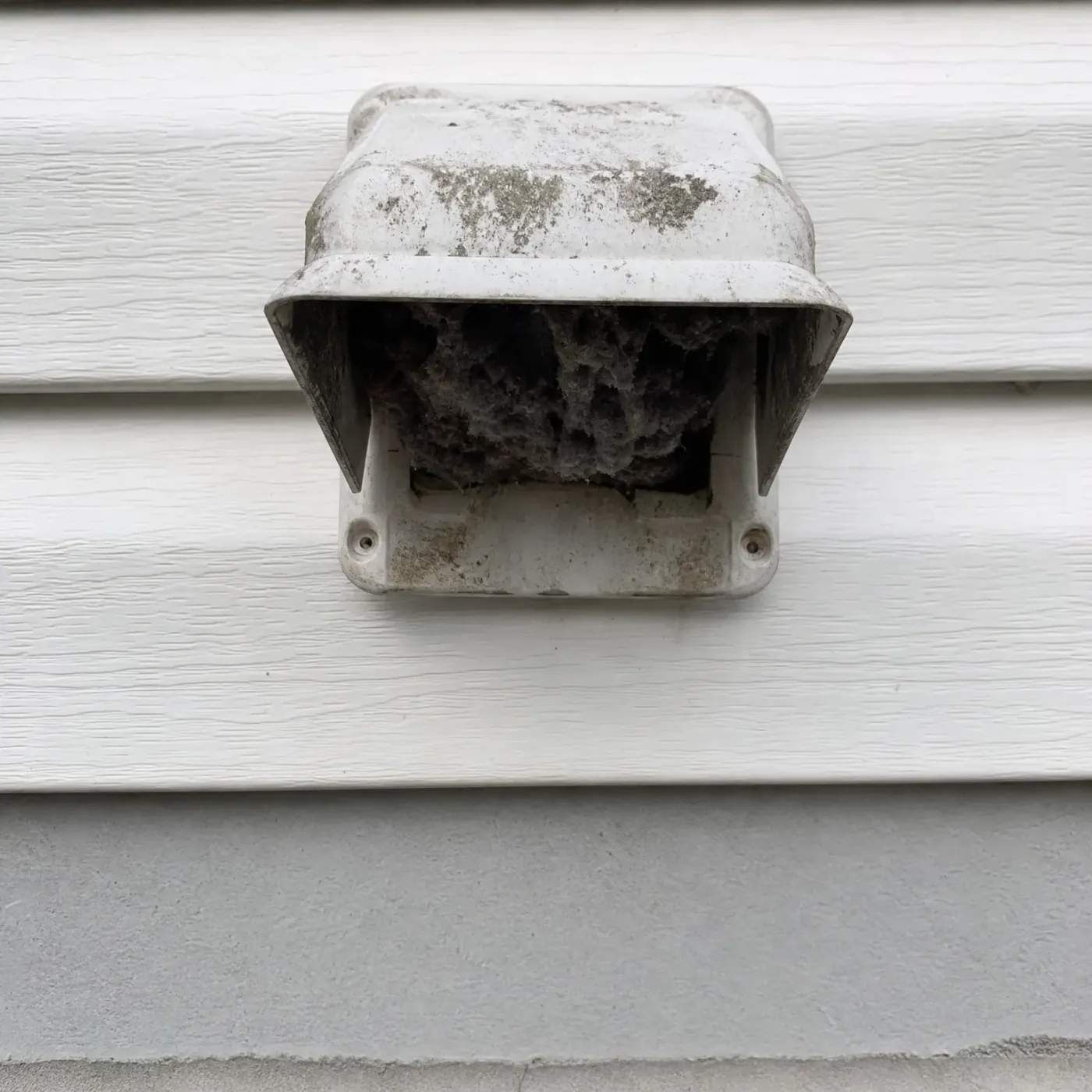
A white plastic dryer vent hood on horizontal lap siding, clogged with thick gray lint and dirt, above a lighter concrete foundation wall.
This hood is packed solid with lint and nesting material, and that flap has not been able to swing shut in a while.

Clear It Now or Let It Wait

Clear it now

  • A gloved hand or a shop vac reaches a nest sitting just inside the hood opening without any tools beyond that.
  • The flap gets checked once the material is out, so you know right away if it swings shut on its own again.
  • Dry times go back to normal the same day, since the blockage is gone and the moist exhaust has somewhere to go.
  • Nesting material packed against a hot duct is a fire risk, so clearing it as soon as you spot it matters more than waiting.
  • Spring is when birds are actively building, so a nest cleared in April can get rebuilt within days if the hood stays inviting.

Wait it out

  • If the nest sits deeper in the duct, past where a hand or shop vac hose can reach, pulling the duct apart is the only way to get it all.
  • A dryer still running with a packed vent keeps pushing lint onto damp nesting material, and that buildup doesn't clear itself.
  • Longer dry times and a warm dryer top are signs the blockage is getting worse, not something that resolves on its own.
  • Waiting through a full nesting cycle means dealing with eggs or chicks, which changes what can be done and when.
  • A vent that stays blocked all summer runs hotter with every load, since the moist air has nowhere to go but back into the duct.
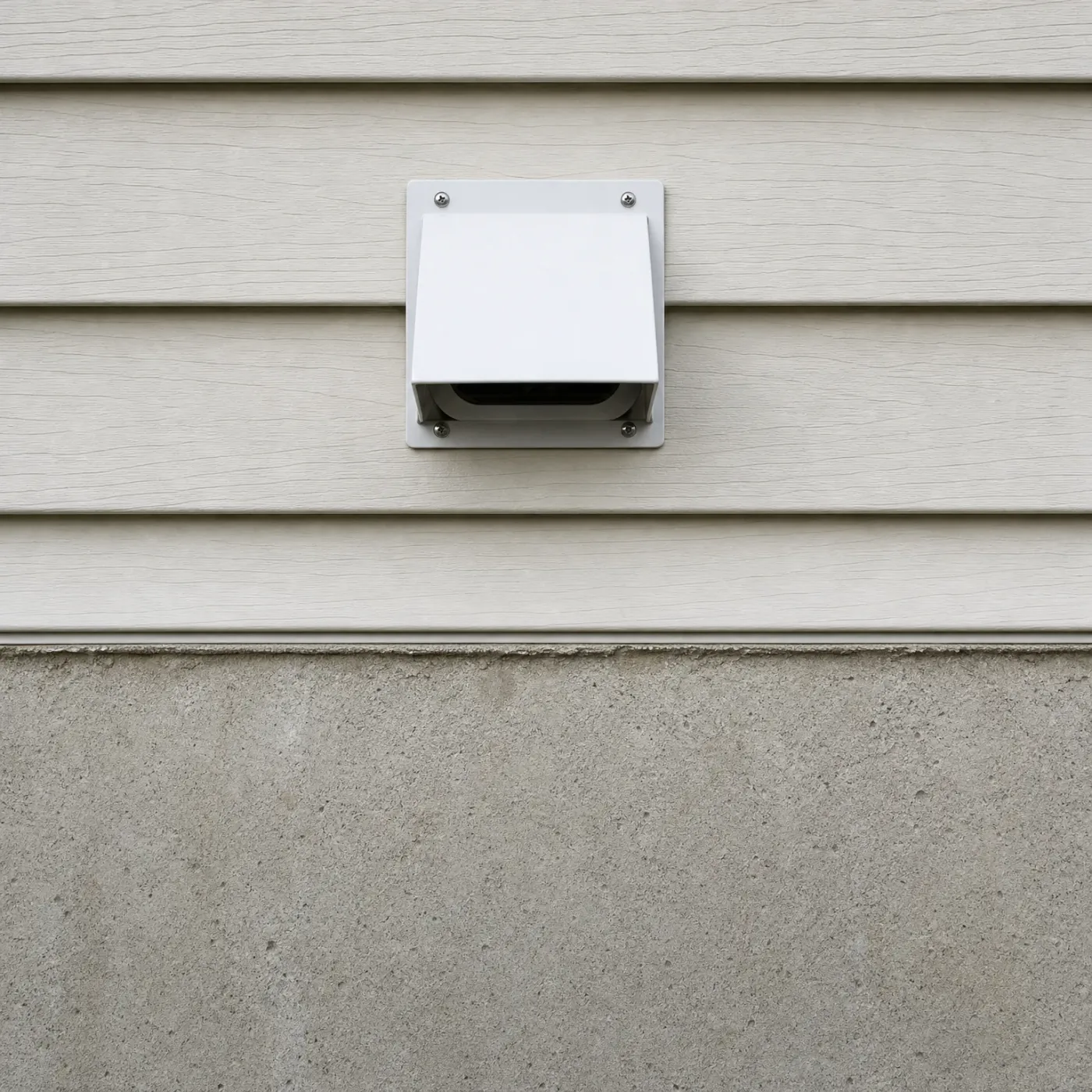
A white hooded dryer vent with a square mounting plate fastened to beige horizontal lap siding above a concrete foundation wall.

What a clear hood looks like

That white cap sits flush against the siding, screws tight, flap resting closed. Nothing pokes out, nothing rattles when the dryer kicks on. Air pushes the flap open on its own, then it swings shut again once the load finishes.

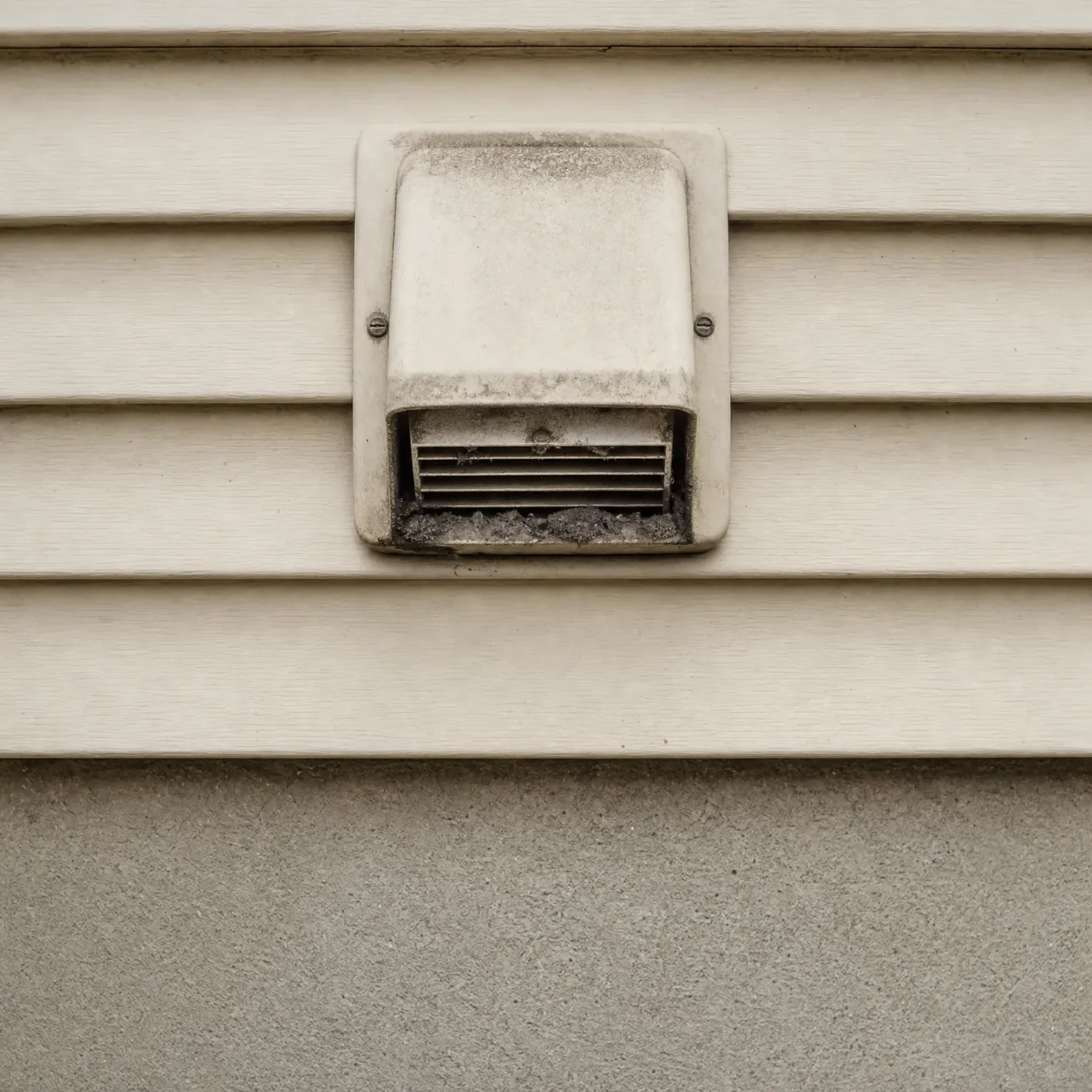
A dusty plastic louvered dryer vent hood screwed into beige horizontal vinyl siding above a gray stucco foundation wall, with lint buildup around the slats.

What a blocked hood looks like

Lint and dust cake the louvers until the flap can't sit flush anymore. You'll see it hanging open or stuck, packed with gray fuzz instead of clean plastic. That's moist exhaust with nowhere to go but back into the duct.

A smiling man in an olive T-shirt and jeans stands in an open front doorway holding the door, facing a person in a navy polo and cap seen from behind in the foreground, with horizontal wood-look siding and a potted white flowering plant nearby.

A blocked vent has one fix

Nesting material in the hood or the duct does not clear itself. Something has to come out, whether that is a gloved hand reaching the hood opening or a full duct cleaning when the nest sits further back. Once it is out and the flap swings shut on its own again, the dryer goes back to drying a load in one cycle instead of two or three.

A contractor who works on vents in Arapahoe County can tell from a short description, how long the dry times have stretched, whether the smell is new, whether the flap moves, how far back the problem likely sits and what it will take to reach it. Send in what you have noticed and a contractor who covers Aurora will follow up with you directly, so the job of tracking down who to call is done.

A dark ceramic vase holding a leafy green branch sits on a round wooden table, with a blurred cushioned wooden armchair, woven basket, window and shelving with pottery in the background.
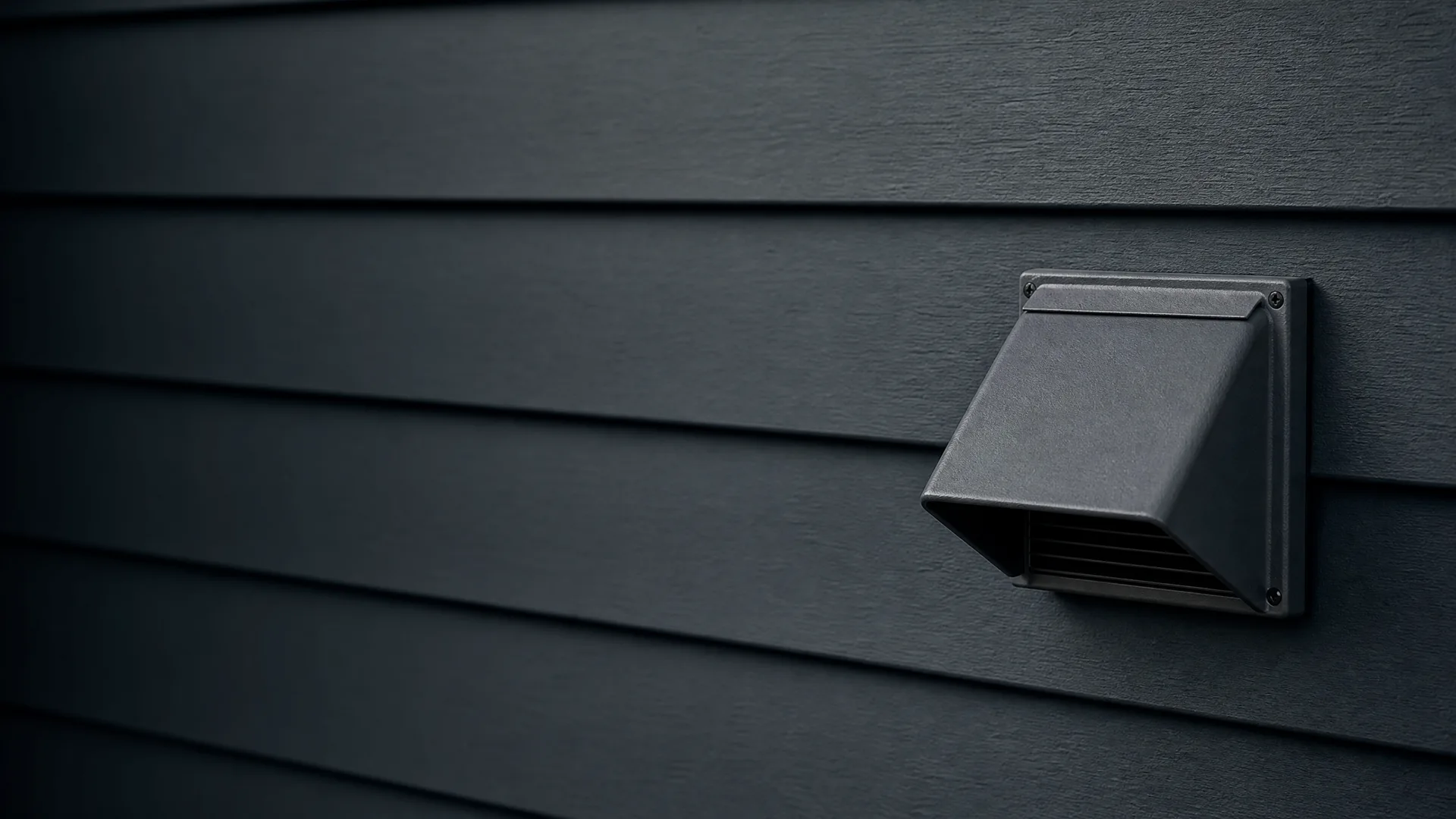
A dark gray hooded exterior vent cover with a louvered opening mounted on dark horizontal lap siding, viewed at a steep angle.

Find a dryer vent cleaning pro in Arapahoe County

Send the form and the dryer vent cleaning stops sitting on your list.

Duct and vent cleaningArapahoe County, CO
Step 1 of 3

What kind of equipment?