
HVAC Repair in Delta, CO
Homes here need heat from September through May and cooling from July through August. If your system quits, tell us what it's doing and a licensed contractor who covers Delta County will get in touch.
Tell us about the job
It takes about a minute.
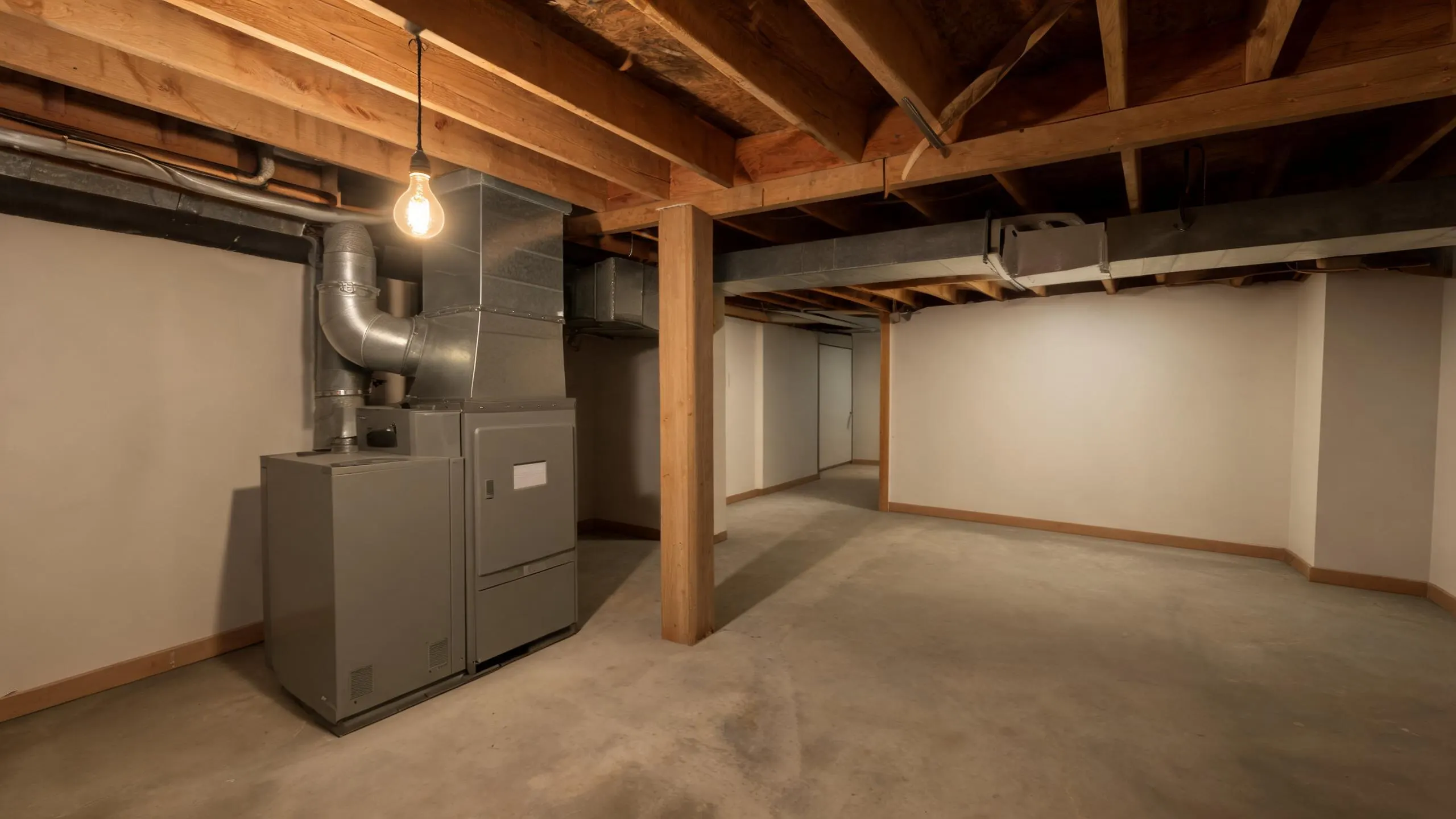
Nine months of heat, two months of cooling, and not much break in between
Your furnace in Delta County works from September through May. On winter nights that average 17°F, it cycles on and off for hours at a stretch, and every cycle puts wear on the igniter and the burner. When one of those parts finally gives out, it usually happens on the coldest nights, because that is when the system runs hardest.
Then summer flips the load onto the air conditioner for July and August, with afternoons near 82°F. A system that just spent nine months heating gets little rest before it has to cool. Add in the wind and winter storms this area sees most years, and power interruptions that knock a system out mid-cycle, and it is no surprise something needs attention almost any time of year.
- 9 months
- September through May, your system heats
- 2 months
- July through August, it cools
- 17°F
- the average winter night it heats against
- 82°F
- the average summer afternoon it cools against
NOAA nClimDiv, 1991–2020 normals

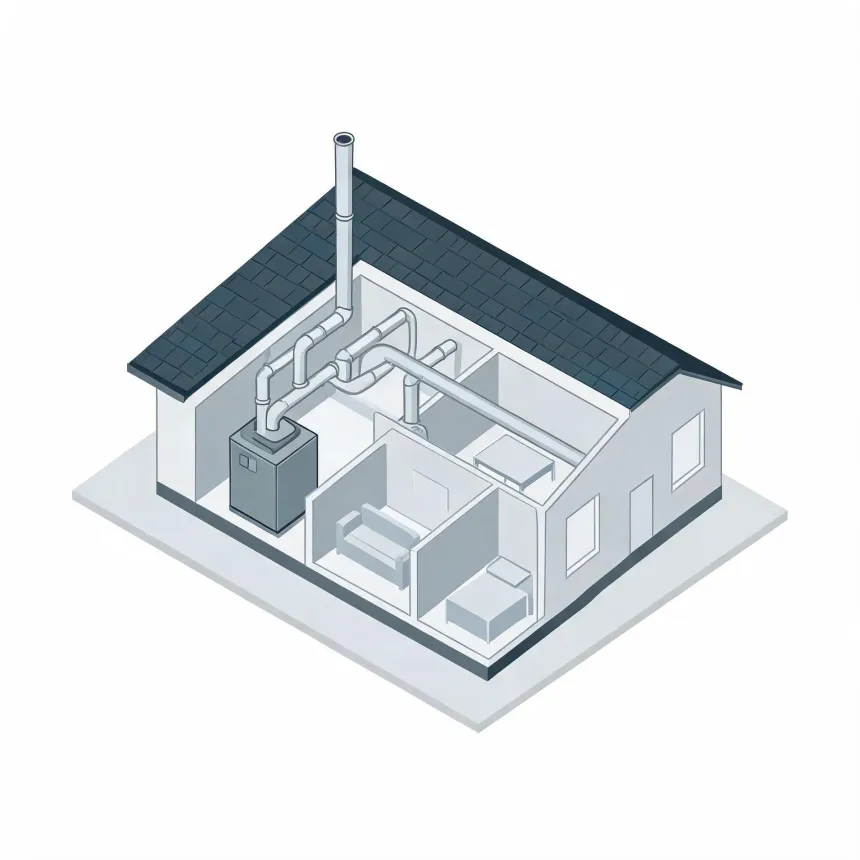
A new furnace and air conditioner would cut about $120 a year off heating and cooling for a typical Delta County home.
Estimates for a typical Delta County home, compared with an older unit built to the previous federal minimum, from EIA household energy data, Colorado fuel prices and NOAA climate normals. Your home will differ.
Repair makes sense when one part has failed.
Replacement makes sense when the furnace's heat exchanger is cracked, the air conditioner's compressor has failed, or repairs keep coming.
- Why is my heat not working?
- Start with the thermostat, since a dead battery or a setting bumped to cool will stop heat before anything else does. If that's not it, check the breaker and any switch on the furnace itself, including the one that looks like a light switch near the unit. Gas furnaces also have a pilot or igniter that can fail, and if you smell gas at any point, leave the house and call the gas company before anyone touches the system. With winter nights here dropping to 17°F on average, a furnace that won't start needs a contractor out quickly.
- Why is my system running but not cooling the house?
- The most common cause is a dirty air filter choking off airflow, so check that first and replace it if it's gray or clogged. If the filter is clean, look at the outdoor unit and make sure nothing is blocking it, like grass clippings or leaves packed against the coil. A system that runs constantly without cooling can also mean low refrigerant or a failing compressor, and neither is something to diagnose yourself. Summer afternoons here reach 82°F, so a system that's not keeping up is worth getting looked at rather than waiting out.
- What can I check before calling for HVAC repair?
- Check the thermostat first, including its batteries and whether it's set to heat or cool as you'd expect. Next check the breaker panel for a tripped breaker, and check that any switch near the furnace or outdoor unit hasn't been switched off. Look at the air filter and replace it if it's dirty, since restricted airflow causes problems that look like bigger failures than they are. If the system still isn't working after that, a contractor will need to diagnose it, and telling them what you already checked saves time on the visit.