
HVAC Installation in Montrose, CO
A new system here will heat from October through May and cool from July through August every year. Tell us about the house, and a licensed contractor who covers Montrose County will get in touch.
Tell us about the job
It takes about a minute.
Step 1 of 3: Equipment
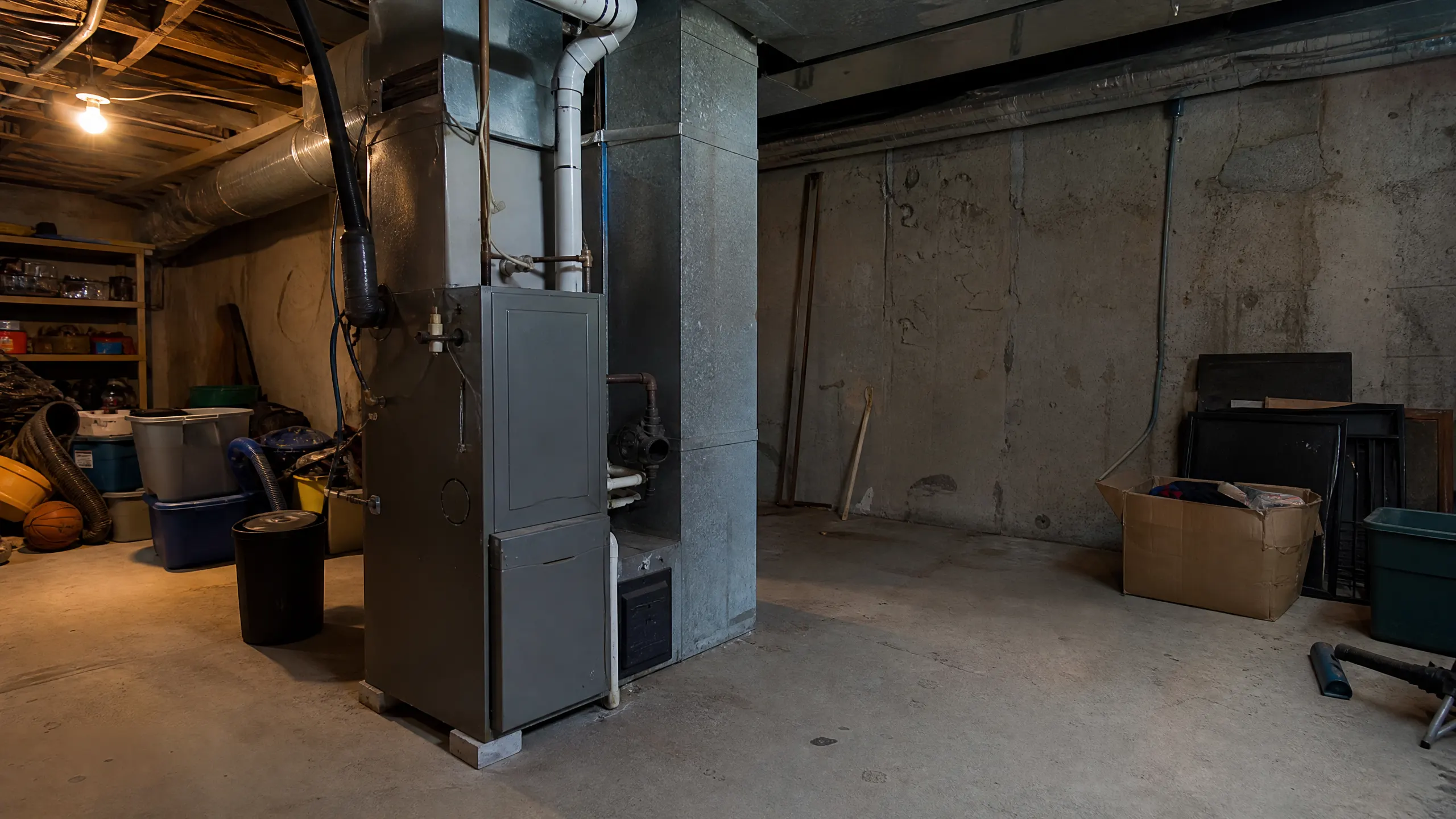
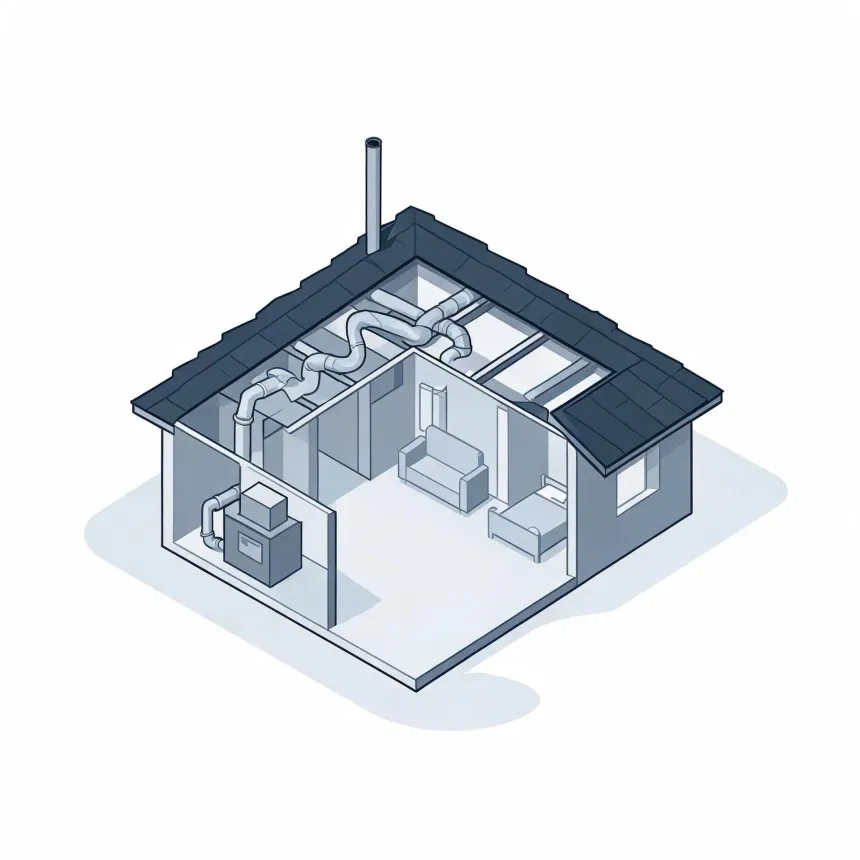
A new system here works ten months of the year
Montrose needs heat from October through May and cooling in July and August. That is ten months where the system in your home is doing the work of keeping the house livable. Winter nights average 18°F, cold enough that a furnace has to run long hours to keep up, and summer afternoons reach 83°F on the other end.
Most homes here heat with gas. Whatever you install next has to cover both ends of that range, with only a short stretch in spring and fall when it gets a break.
- 8 months
- October through May, your system heats
- 2 months
- July through August, it cools
- 18°F
- the average winter night it heats against
- 83°F
- the average summer afternoon it cools against
Jan
Feb
Mar
Apr
May
Jun
Jul
Aug
Sep
Oct
Nov
Dec
NOAA nClimDiv, 1991–2020 normals
- When should I replace my HVAC system?
- Once your furnace or air conditioner is old enough that repairs are getting frequent, or a repair costs a large share of what a new unit would, replacement makes more sense than another fix. Age matters too. A furnace or air conditioner into its late teens is working harder to do what it used to do easily. In Montrose, your furnace runs from October through May, eight months a year, so a failing unit here is not a minor inconvenience. If yours is struggling to keep up on the cold nights when it drops to 18 degrees, that is a sign it is time.
- Should I replace my furnace and air conditioner at the same time?
- If both are old, replacing them together is usually worth considering, even if only one has failed. They share the same ductwork and often the same blower, so a mismatched pair can run less efficiently than a matched system. It also means one installation instead of two, months or years apart. That said, if your air conditioner or furnace is still fairly new, there is no reason to replace it early just because the other one failed. A contractor can look at both and tell you what makes sense for your house.
- What happens during an HVAC installation?
- A contractor first removes the old equipment, then sets the new furnace, air conditioner, or both in place. The refrigerant lines, gas line, and electrical connections get hooked up, and the ductwork is checked and sealed where it connects to the new unit. Once everything is connected, the system gets tested, including the thermostat, the airflow at the vents, and the startup and shutdown cycle. On a furnace, that also means checking the ignition and the vent for the exhaust. The whole job is sized to your house, so what gets installed and how long it takes will depend on the specific system a contractor recommends.