
Furnace Installation in Steamboat Springs, CO
A new furnace here will run from September through June every year. Tell us about the house, and a licensed contractor who covers Routt County will get in touch.
Tell us about the job
It takes about a minute.
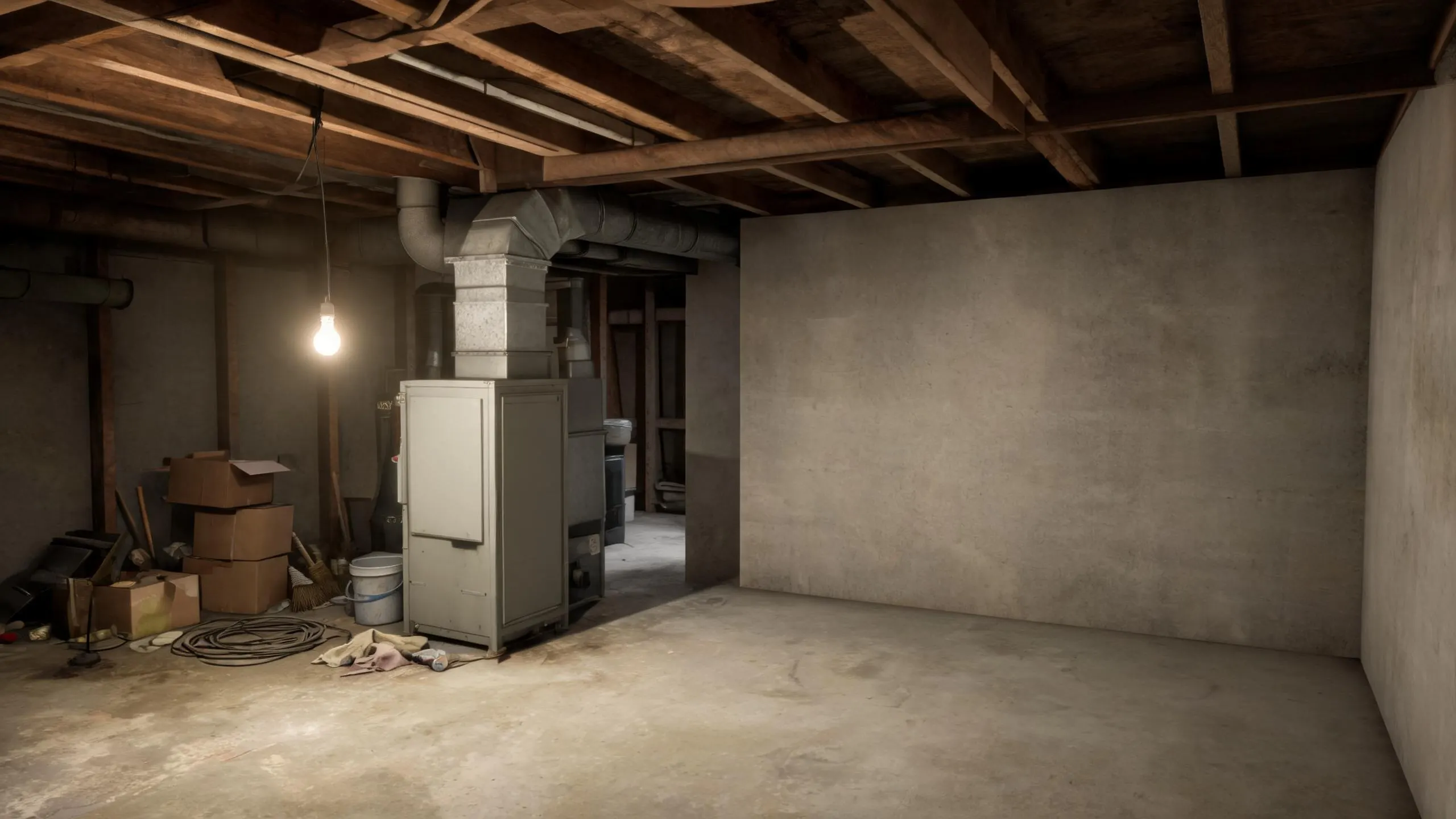
Ten months of heat in Steamboat Springs asks a lot of a furnace
Winter nights here average 11°F, and that's the December through February average, not a cold snap. A furnace built for this has to hold up night after night for months at a stretch.
Homes in the area need heat from September through June, ten months of the year. Any new furnace installed here has to meet the federal minimum of 80 percent AFUE, and running ten months a year, the efficiency you choose above that minimum has more chances to earn its keep than it would somewhere the furnace sits idle half the year.
- 10 months
- September through June, your furnace is on duty
- 11°F
- the average winter night it heats against
- 80% AFUE
- the federal minimum any new unit must meet
NOAA nClimDiv, 1991–2020 normals

A high-efficiency gas furnace would save about $120 a year to run in Routt County compared with a gas furnace.
Estimates for a typical Routt County home, from EIA household energy data, Colorado fuel prices and NOAA climate normals. Your home will differ.
- What size furnace does my house need?
- That depends on your square footage, your insulation, your windows, and your ceiling height, not just the size of the house next door. A contractor works this out with a load calculation, which weighs all of those against our winter lows here, averaging 11°F December through February. A furnace that's too big cycles on and off too fast and never runs long enough to heat evenly. One that's too small will run constantly and still leave you cold on the coldest nights. There's no shortcut that replaces the calculation.
- How do I know it's time to replace my furnace?
- Watch for rooms that won't warm up, a furnace that runs longer than it used to, or repairs that keep coming back. Homes here need heat from September through June, so a furnace that's struggling has little time of year to rest and recover. If the heat exchanger has cracked or the furnace can't keep the house warm on our coldest nights, that's not something worth patching again. A contractor can tell you whether what you're seeing is normal wear or the start of the end.
- Is a high-efficiency furnace worth it?
- A high-efficiency furnace burns less gas to make the same heat, and with 45.6% of homes here heating with gas, that difference shows up on the bill. Every furnace built since November 2015 has to hit at least 80 percent AFUE, so the question is really how much higher above that you want to go. A high-efficiency model costs more upfront but wastes less gas out the flue. Homes here need heat from September through June, so that gap in efficiency gets used most of the year. A contractor can weigh the higher-efficiency options against what your house needs.